


Loading...
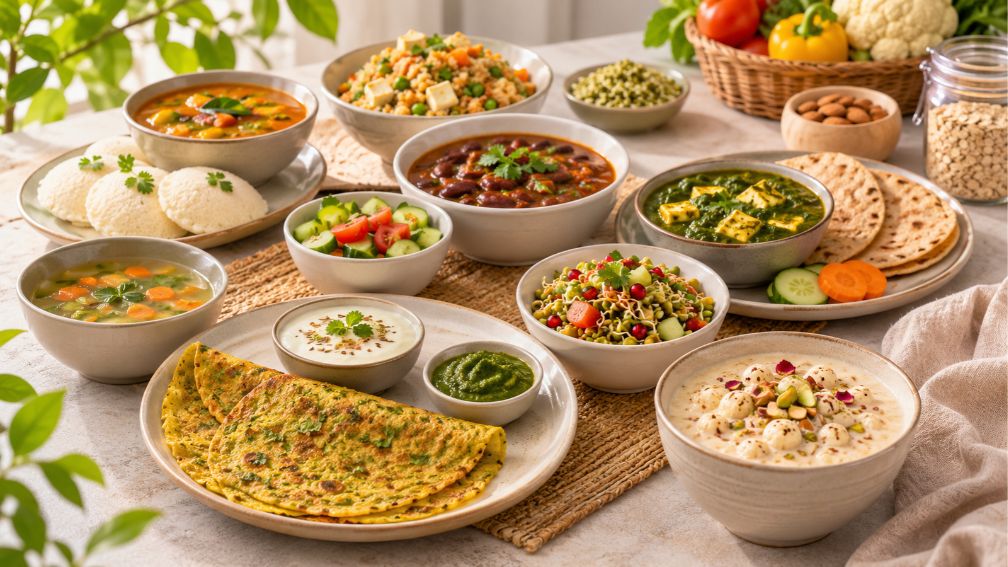
Vegetarian meals can fit comfortably into a diabetes-friendly routine when the plate includes enough fibre, protein and sensible portions of carbohydrates. Indian kitchens already offer useful choices through dal, vegetables, curd, paneer, sprouts, beans and whole grains.
The idea is not to remove familiar foods. Small changes in portions, cooking methods and added sugar can keep breakfast, lunch and dinner practical and satisfying.
A diabetes-friendly vegetarian diet focuses on the complete meal rather than one ingredient. Vegetables, pulses, beans, curd, paneer, nuts, seeds and measured portions of whole grains can all be included. The plate should not depend mainly on rice, roti or potatoes.
Keep vegetables generous, add a suitable protein source and then decide the carbohydrate portion. To reduce regular added sugar in selected foods or drinks, you can use a suitable Sugar Free sweetener while keeping the overall meal balanced.
Diabetic vegetarian recipes do not need special ingredients. Many regular Indian meals can work with sensible portions and simple preparation.
A few practical options include:
Keep oil measured and avoid depending on sweetened sauces for flavour. For familiar sweet dishes, you can use Sugar Free Natura where suitable. You can also try our Sugar Free Makhana Kheer recipe, made with Sugar Free Natura.
Useful ingredients are those that bring fibre, protein and variety to everyday meals.
A few easy options are:
These foods work better in combinations. Roti can be paired with dal and vegetables, while rice can be served with rajma, salad and curd.
Tea and coffee also add to your daily sugar intake when they are sweetened regularly. For these drinks, you can use Sugar Free Gold+ instead of regular sugar.
Vegetarian recipes for type 2 diabetes can stay close to regular home meals. Lunch may include dal, bhindi and small rotis. Dinner could be vegetable soup with paneer, moong chilla with curd or mixed vegetable khichdi in a sensible portion.
Snacks can stay simple with roasted chana, plain curd, steamed sprouts or a small handful of nuts. For a yoghurt-based sweet dish, the Sugar Free Shrikhand recipe uses Sugar Free Green, a stevia-based sweetener. This keeps the choice familiar without creating a separate menu.
Vegetarian meals can become carbohydrate-heavy when rice, roti, potato and sweet foods appear together. Choose one main carbohydrate source and build the rest of the plate around vegetables and protein.
For example, have rice with rajma and salad instead of adding rotis to the same meal. With roti, include dal, paneer or curd and a generous vegetable portion. Paying attention to these combinations is one practical part of managing sugar in everyday meals. Keeping portions consistent can also make carbohydrate intake easier to manage across different meals.
Vegetarian diabetic diet recipes can still become unbalanced if portions are large or protein is regularly missed.
A few common mistakes include:
For an occasional chocolate-based dessert, you can try Sugar Free D’lite or our Sugar Free Chocolate Mousse recipe, made with D’lite Dark Chocolate. Keep the serving moderate and consider it within the rest of your meal.
A balanced vegetarian routine comes down to familiar food, enough protein, measured carbohydrates and practical ways to reduce added sugar without making meals restrictive. World Diabetes Day is also a useful reminder to stay aware of everyday sugar intake and make small, sustainable food choices that support better long-term habits.
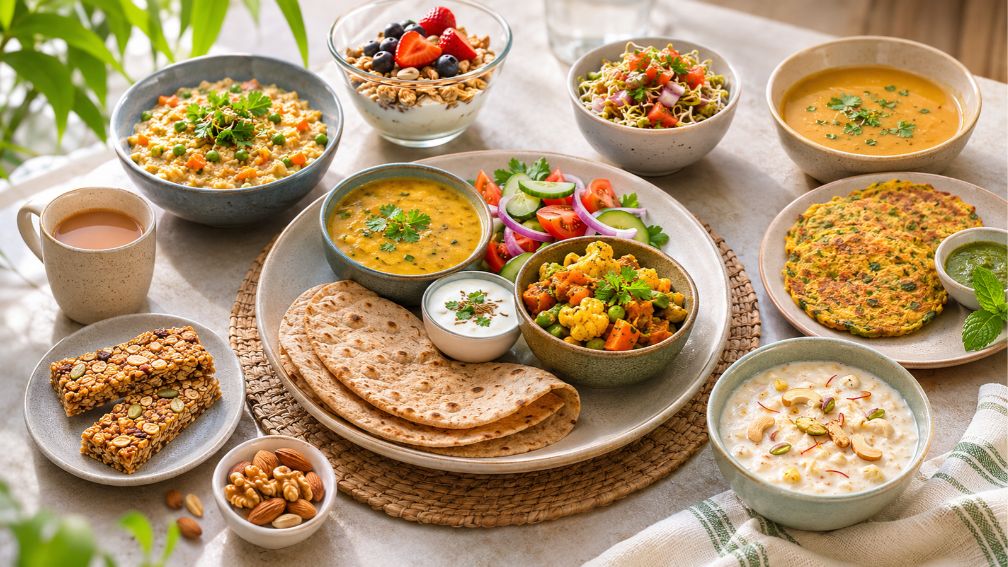
Vegetarian meals can fit comfortably into a diabetes-friendly routine when the plate includes enough fibre, protein and sensible portions of carbohydrates


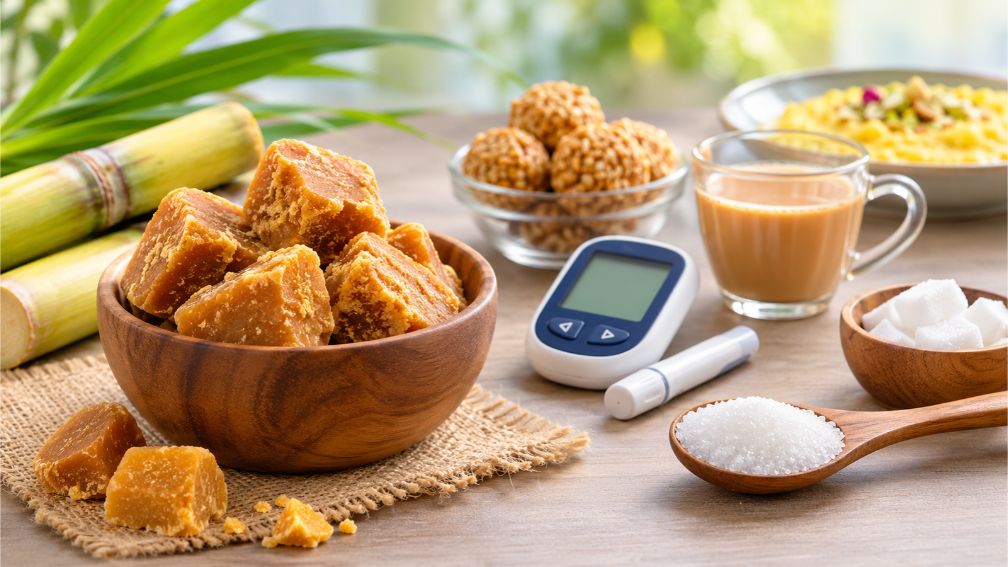
Jaggery is often seen as a more natural alternative to white sugar, but that does not automatically make it a better choice for someone with diabetes. It still provides sugar and carbohydrates that can affect blood glucose.
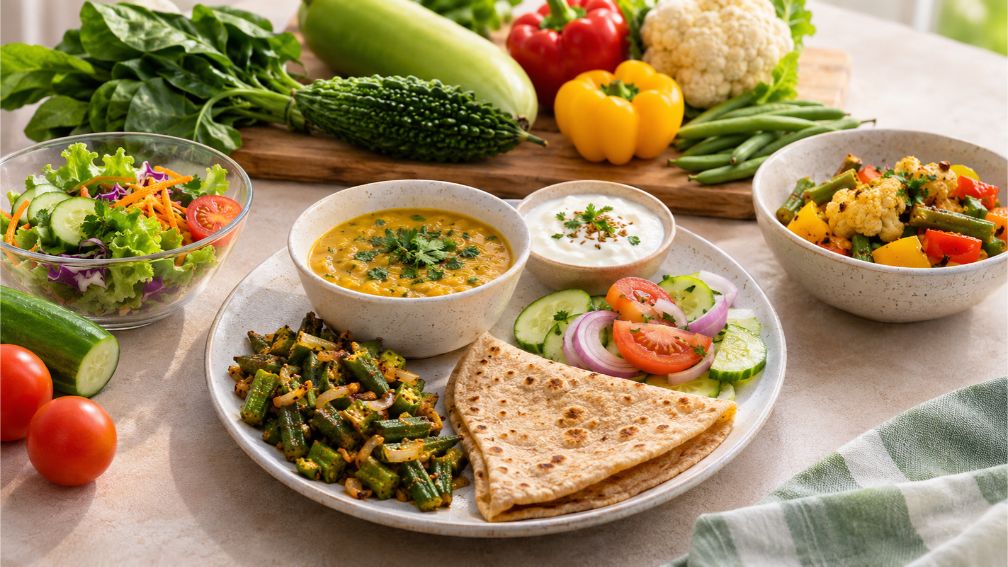
Vegetables can make diabetes-friendly meals easier to plan because they add fibre, volume, vitamins and minerals without making the plate feel restrictive. Indian kitchens already offer practical choices, from palak and bhindi to lauki, beans and cauliflower.
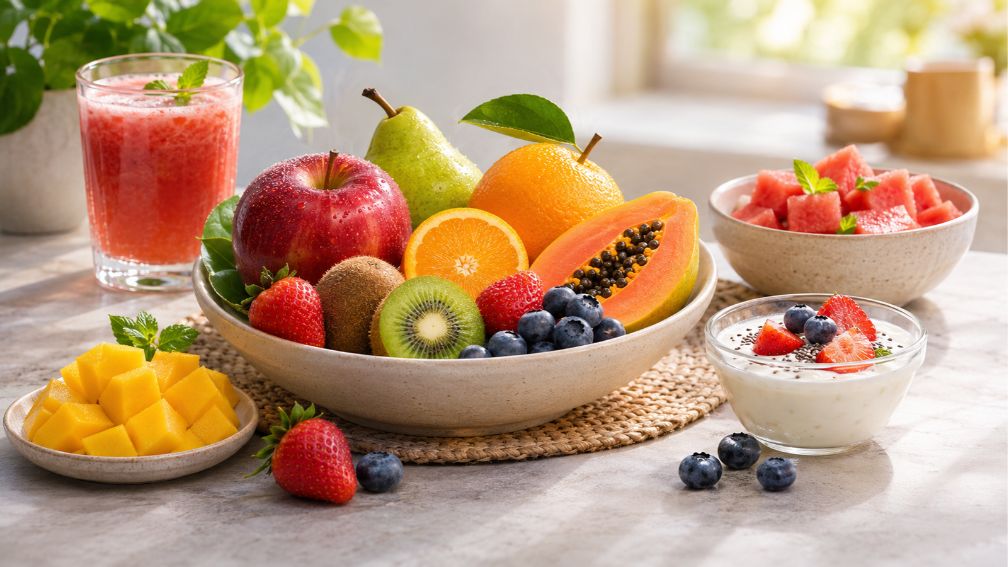
Fruit does not have to disappear from the diet just because someone has diabetes. Whole fruits provide fibre, vitamins, minerals and natural sweetness.
