


Loading...
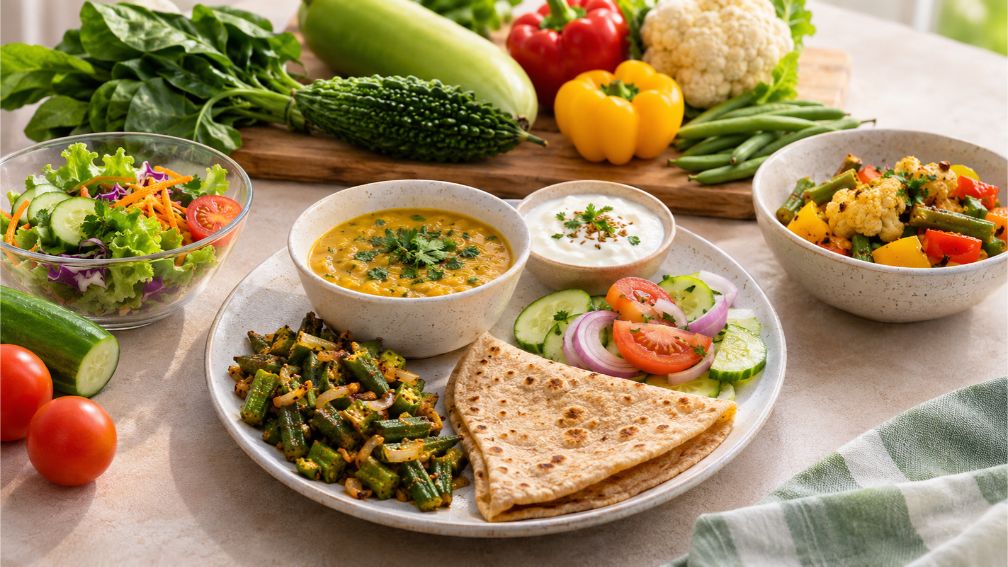
Vegetables can make diabetes-friendly meals easier to plan because they add fibre, volume, vitamins and minerals without making the plate feel restrictive. Indian kitchens already offer practical choices, from palak and bhindi to lauki, beans and cauliflower.
The useful approach is to rotate vegetables, keep portions sensible and balance them with protein and measured carbohydrates. Preparation matters too, especially when sauces, dressings or drinks add extra sugar.
Vegetables help make a meal more filling without depending too heavily on rice, roti or potatoes. Their fiber also works well alongside dal, paneer, curd, eggs or another suitable protein source. They are only one part of a balanced plate, so drinks, sauces and other accompaniments matter too.
If reducing regular added sugar is part of the routine, Sugar Free offers low-calorie sweetener options that can be used in selected foods and beverages. The main focus should still remain on the overall meal, portions and everyday food choices.
Leafy greens, gourds, beans, bhindi, cabbage, cauliflower and capsicum are useful because they fit easily into home-cooked meals. They can become sabzi, go into dal or soups, or be served beside a protein source.
Keep cooking simple. Measured oil, basic spices and unsweetened gravies make it easier to manage the meal. Rotating vegetables through the week also keeps meals varied.
Some practical choices include:
Vegetables can also appear in less usual recipes. The Sugar Free Spinach Mousse recipe uses spinach with Sugar Free Natura. It is still a dessert-style preparation, so the serving and the rest of the meal need attention.
Vegetables for diabetic patients can be included throughout the day instead of being limited to lunch or dinner. Add spinach or methi to dal, mix grated vegetables into chilla batter, prepare bhindi or beans as a side dish, or serve cucumber and tomato with lunch.
A practical plate can give vegetables the largest share, followed by a suitable protein source and a smaller portion of rice or roti. World Diabetes Day is also a useful reminder to look at the complete meal rather than sugar alone. Adding more vegetables, balancing them with protein and keeping carbohydrate portions sensible can support healthier everyday food choices.
The bigger issue is often not the vegetable itself but how it is prepared. Deep-fried dishes, sweetened gravies and packaged sauces can add extra oil, sugar or calories to an otherwise simple meal. Large portions of rice or roti served alongside vegetables can also make the overall meal heavier in carbohydrates.
For grilled vegetables, paneer or wraps, you can try our Sugar Free BBQ Sauce recipe, made with Sugar Free Natura, instead of a sauce with regular added sugar. The focus should still remain on the complete meal, including cooking method, portions and accompaniments.
Both raw and cooked vegetables can fit into a balanced meal. The better option depends on the vegetable, digestion, hygiene and cooking method.
| Factor | Raw Vegetables | Cooked Vegetables |
| Common examples | Cucumber, tomato, carrot, capsicum | Palak, beans, cauliflower, lauki |
| Texture | Fresh and crunchy | Softer and easier to chew |
| Digestion | May not suit everyone in large amounts | Often easier to digest |
| Preparation | Usually eaten fresh or in salads | Can be steamed, sautéed, grilled or pressure cooked |
| What to watch | Portion and hygiene | Avoid excess oil or deep frying |
| Best approach | Include where suitable | Include where suitable |
Try palak dal with a small roti, bhindi with curd and dal, vegetable sambar with a measured portion of idli, or paneer with capsicum and beans. Lauki chana dal, mixed vegetable soup and cauliflower with peas can also add variety.
For an occasional chilled drink, you can try our Muskmelon Cucumber Cooler recipe, made with Sugar Free Green. The fruit portion still needs to be considered, while water remains the simpler everyday drink.
The aim is to make vegetables a regular part of the plate rather than search for one perfect option. Variety, simple preparation and balance with protein and measured carbohydrates make the routine easier to follow.
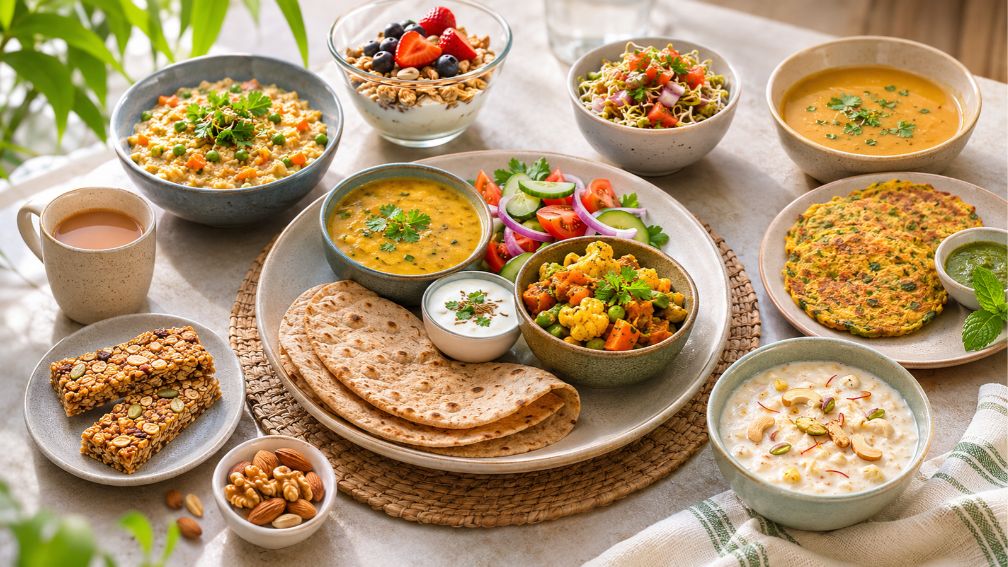
Vegetables can make diabetes-friendly meals easier to plan because they add fibre, volume, vitamins and minerals without making the plate feel restrictive


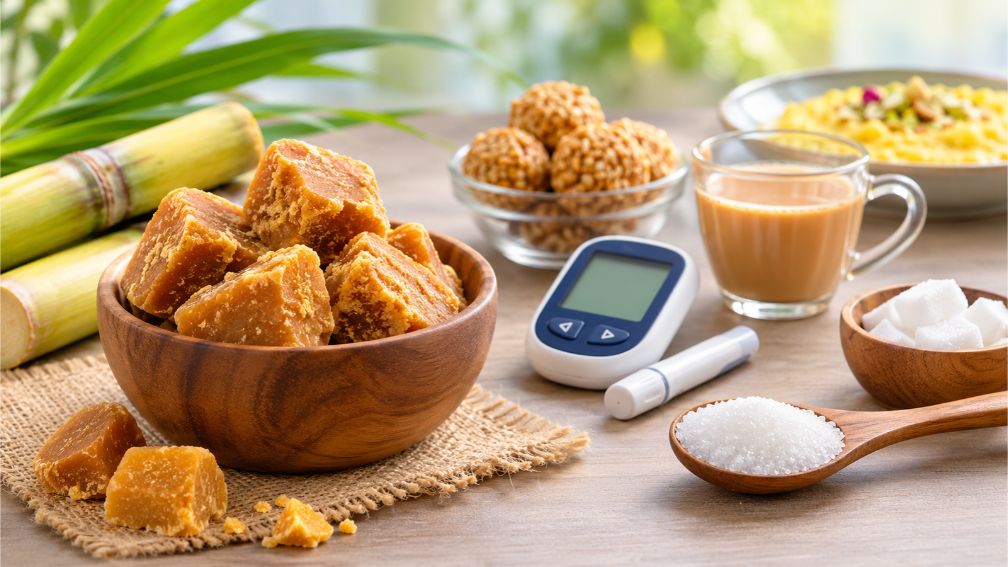
Jaggery is often seen as a more natural alternative to white sugar, but that does not automatically make it a better choice for someone with diabetes. It still provides sugar and carbohydrates that can affect blood glucose.
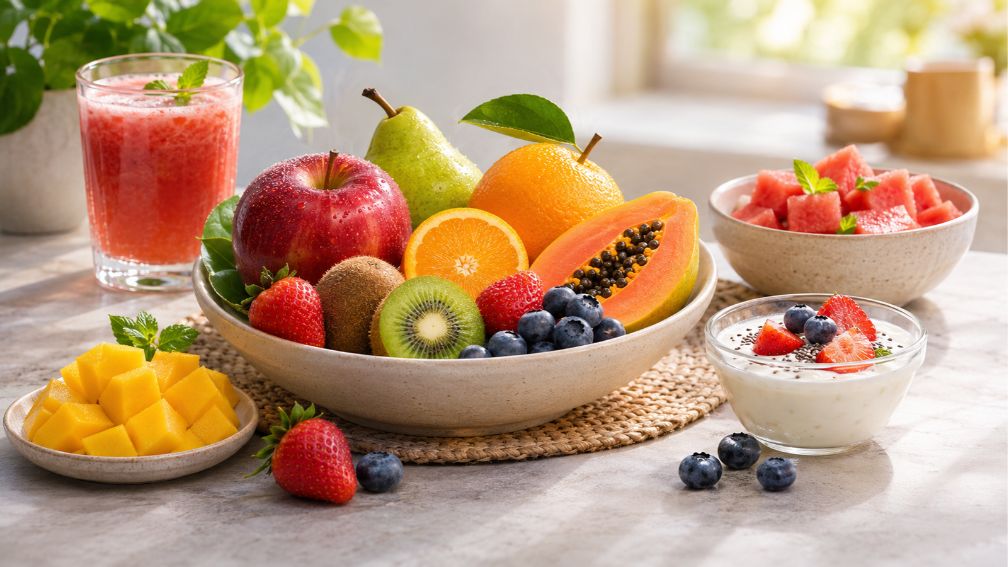
Fruit does not have to disappear from the diet just because someone has diabetes. Whole fruits provide fibre, vitamins, minerals and natural sweetness.
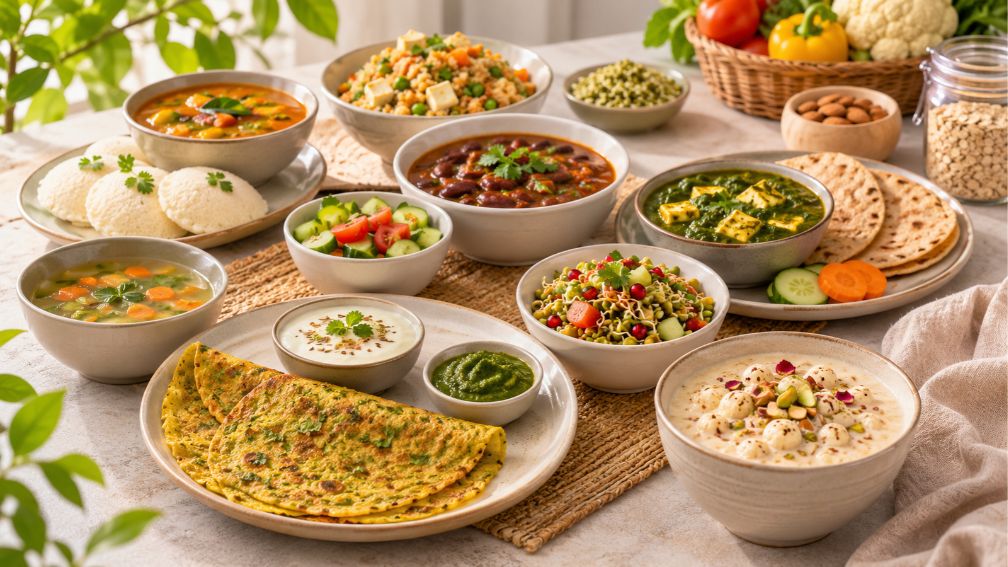
Vegetarian meals can fit comfortably into a diabetes-friendly routine when the plate includes enough fibre, protein and sensible portions of carbohydrates. Indian kitchens already offer useful choices through dal, vegetables, curd, paneer, sprouts, beans and whole grains.
