Loading...
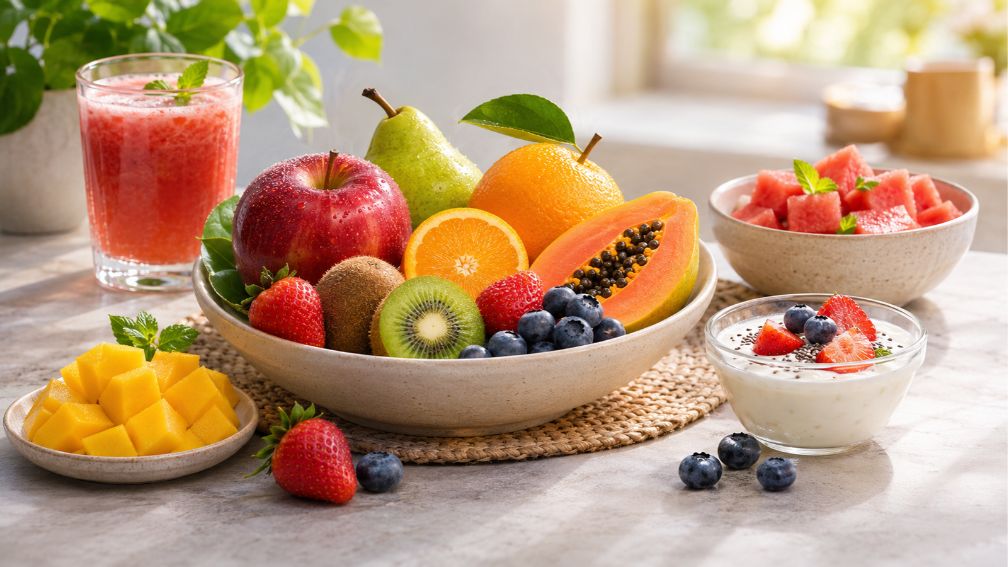
Fruit does not have to disappear from the diet just because someone has diabetes. Whole fruits provide fibre, vitamins, minerals and natural sweetness. What matters more is the type of fruit, the portion and what else is eaten during the day.
Instead of avoiding fruit completely, it is more useful to understand how different choices fit into a balanced routine. The same approach can also help separate naturally occurring sugar in fruit from added sugar in foods and drinks.
Yes, fruit can be included in a diabetes-friendly eating pattern. Whole fruit contains natural sugar along with fibre and water, which makes it different from sweets or sweetened drinks. Portion size still matters. A very large fruit bowl can provide more carbohydrate than expected, even when every ingredient is natural.
This difference is useful to keep in mind when managing everyday sugar intake. For foods or drinks that need added sweetness, Sugar Free can help reduce the use of regular sugar. Whole fruit, however, usually does not need any extra sweetener.
Do not choose fruit only by asking whether it tastes sweet. Look at the serving size, fibre, preparation and how it fits with the rest of the meal. Whole apples, pears, guava, oranges, kiwi, berries and papaya can all be considered in suitable portions. Juice, syrup-packed fruit and dried fruit with added sugar need more attention.
World Diabetes Day is also a reminder that better awareness can begin with everyday food choices. With fruit, this means looking at portions, choosing whole fruit more often and noticing when extra sugar is being added unnecessarily.
Several familiar fruits can fit into a balanced meal plan:
Fruit can also be used in homemade desserts. You can try our Watermelon Sabza Popsicles recipe, made with Sugar Free Natura, when you want to avoid adding regular sugar. Keep the serving size sensible.
A simple fruit chart for diabetic patients’ meal planning can clarify portions.
| Fruit | Typical Serving | What to Notice | Simple Way to Eat It |
| Apple | 1 measured portion | Fibre | Whole with peel |
| Pear | 1 measured portion | Fibre and natural sugar | Planned snack |
| Orange | 1 measured portion | Fibre and vitamin C | Whole, not juiced |
| Papaya | 1 measured portion | Natural carbohydrate | Breakfast or snack |
| Kiwi | 1 measured portion | Fibre | Eat fresh |
| Berries | 1 measured portion | Fibre | Add to plain curd |
| Watermelon | 1 measured portion | Easy to over-serve | Keep portion controlled |
Mangoes, grapes, bananas and chikoo can still be eaten, but their portions may need more attention. Dates and dried fruits are concentrated, so a small quantity can go a long way.
The same rule applies to sweet foods made with fruit. Adding honey, regular sugar or syrup to an already sweet fruit can increase the amount of added sugar without being necessary.
Whole fruit keeps its fibre and takes longer to eat. Juice removes much of that structure and can combine several fruits into a single glass, making it easier to consume more carbohydrate quickly.
For an occasional fruit-based drink, you can try our Watermelon Mint Cooler recipe, made with Sugar Free Green, instead of adding regular sugar. The watermelon quantity still needs to be considered, while plain water remains the simpler choice for daily hydration.
Fruit works better when it has a clear place in the day rather than being eaten repeatedly without noticing the quantity.
A few useful habits include:
For plain curd or a fruit bowl that genuinely needs extra sweetness, a small amount of Sugar Free Gold+ can be considered instead of regular sugar. The aim is to understand portions, choose whole fruit more often and avoid adding extra sweetness when it is not needed.


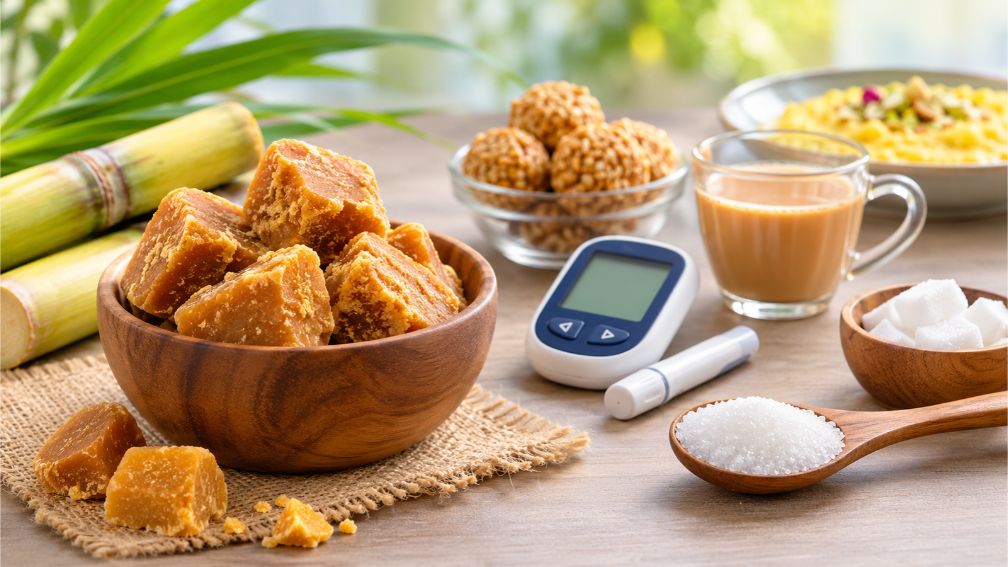
Jaggery is often seen as a more natural alternative to white sugar, but that does not automatically make it a better choice for someone with diabetes. It still provides sugar and carbohydrates that can affect blood glucose.
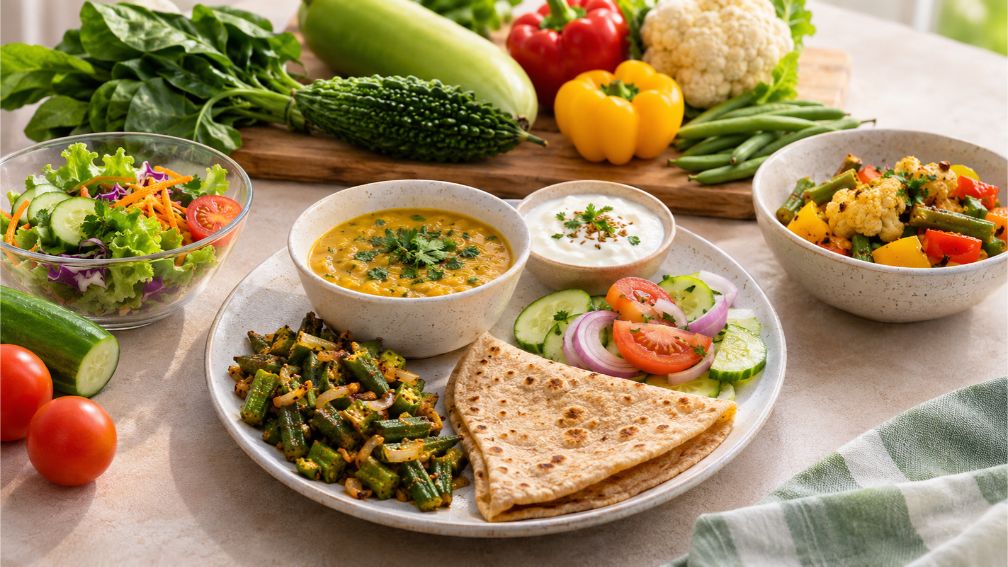
Vegetables can make diabetes-friendly meals easier to plan because they add fibre, volume, vitamins and minerals without making the plate feel restrictive. Indian kitchens already offer practical choices, from palak and bhindi to lauki, beans and cauliflower.
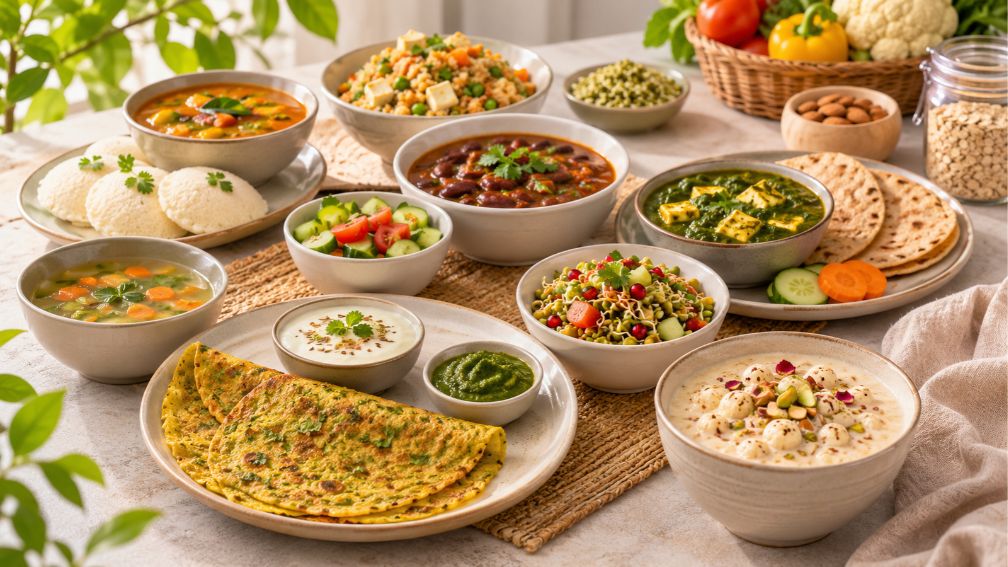
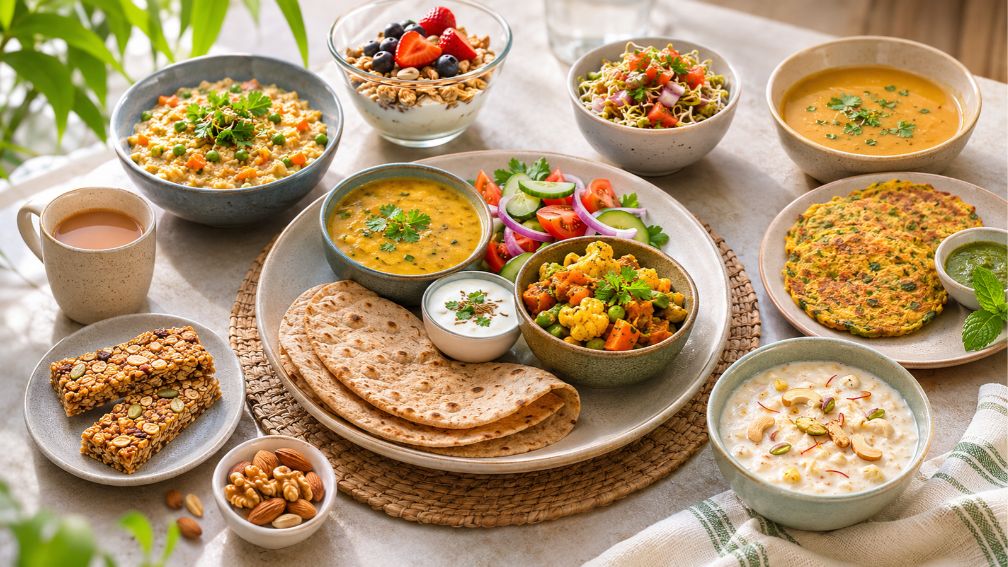
Vegetarian meals can fit comfortably into a diabetes-friendly routine when the plate includes enough fibre, protein and sensible portions of carbohydrates. Indian kitchens already offer useful choices through dal, vegetables, curd, paneer, sprouts, beans and whole grains.