Loading...
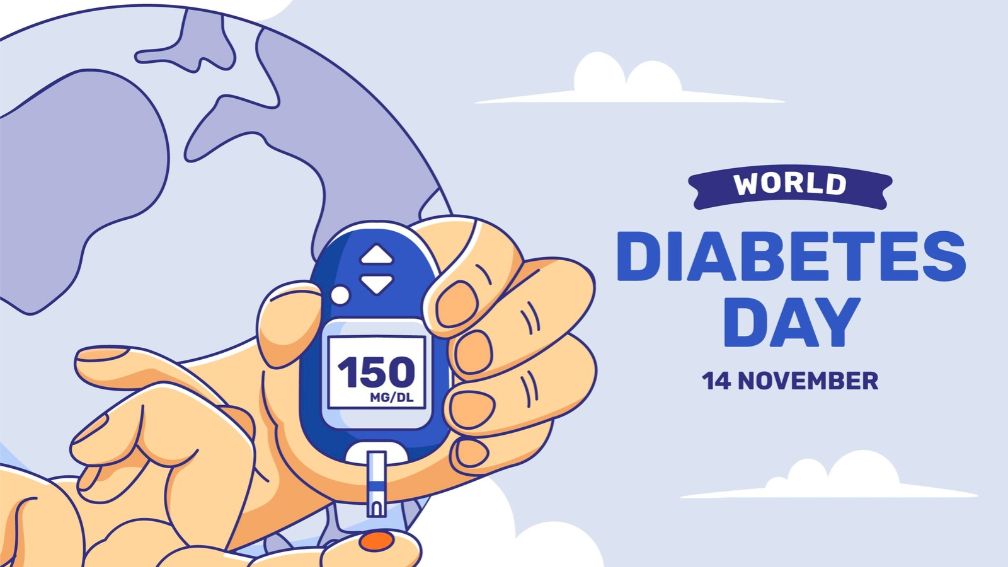
World Diabetes Day is a good time to look at diabetes in a practical way. In India, food, tea breaks and family meals are part of everyday life, so health awareness needs to fit into these routines too.
Regular health checks, balanced meals, physical activity and a better understanding of added sugar can help people become more mindful. The aim is not to change everything at once. It is to notice what may need attention and take small, sensible steps that can be continued comfortably.
World Diabetes Day is observed on 14 November and gives people a reason to talk openly about diabetes, its risk factors and the importance of timely health checks. This year, the conversation also focuses on understanding sugar risk early.
The message “check your sugar before it is too late” encourages people to pay attention to their health rather than wait until a problem becomes obvious. As part of this wider conversation, Sugar Free aims to make managing sugar easier to understand as part of everyday food and beverage choices.
Many habits can become so routine that they are easy to overlook. Extra sugar in tea, frequent sweet drinks, long periods of sitting or delayed health checks may continue for years without much thought. Awareness helps you notice these patterns earlier.
As part of our WDD initiative, we are also encouraging timely awareness through an AI-enabled face scan that can help you understand your sugar risk. It is an awareness tool and does not replace medical tests or professional advice.
World Diabetes Day is usually marked through simple activities that bring useful health information closer to people.
Common activities may include:
The larger purpose is to carry this awareness into everyday routines. Managing sugar can include staying active, keeping up with recommended health checks and noticing how often added sugar enters your meals and drinks.
To reduce the sugar added to tea or coffee, Sugar Free Gold+ can be used in selected everyday beverages.
Diabetes management does not depend on removing one particular food or ingredient. A person’s overall routine matters. Meals, physical activity, medicines, regular monitoring and medical advice may all form part of diabetes care.
Added sugar is simply one area worth reviewing. Portion size also remains important. Choosing a low-calorie sweetener does not mean the rest of the meal can be ignored. A balanced approach is more useful than focusing on a single change.
Healthy eating does not always mean preparing a completely different family menu. Familiar Indian meals can still include vegetables, dal or another source of protein, suitable portions of roti or rice and whole fruit. Small changes can also help reduce added sugar in familiar sweet dishes.
For cooking and desserts, Sugar Free Natura can be used where sweetness is needed without regular sugar. You can also try our Sugar Free Makhana Kheer recipe, which uses Sugar Free Natura in a familiar Indian dessert.
Sweet cravings are often linked with routine. Morning tea, evening biscuits or dessert after dinner can become habits even when a person is not particularly hungry. Noticing when these cravings usually appear can be a useful first step. A stevia-based option such as Sugar Free Green can work well in suitable foods or beverages when you prefer sweetness without regular sugar.
The idea is not to remove every sweet taste from the day, but to find practical ways to reduce regular added sugar where appropriate. For an occasional chocolate-based sweet choice, Sugar Free D’lite offers another way to enjoy sweetness while keeping added sugar in check.
Family support can make healthier routines easier to follow. Instead of making one person eat differently, households can build simple habits together.
Families can prepare balanced meals, encourage regular activity, keep portions sensible and remind one another about recommended health checks. You can also try our Sugar Free Chocolate Mousse recipe when you want a chocolate-based dessert without regular added sugar.
World Diabetes Day can start the conversation, but the message should continue after 14 November. Understanding your risk, seeking timely medical guidance and learning how to manage sugar in everyday life can turn awareness into a routine that lasts.


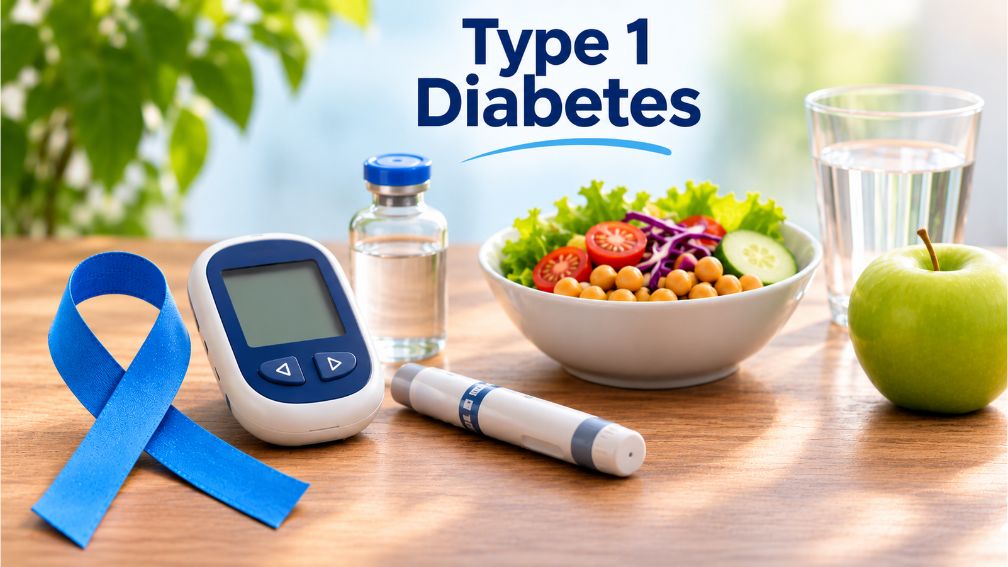
Type 1 diabetes can begin with changes that seem ordinary. A child may drink more water, someone may feel unusually tired, or weight may drop without a clear reason.

Most of us know diabetes is linked to blood sugar, but the condition involves more than one high reading. The body gets glucose from food and uses it for energy, while insulin helps move glucose into the cells.
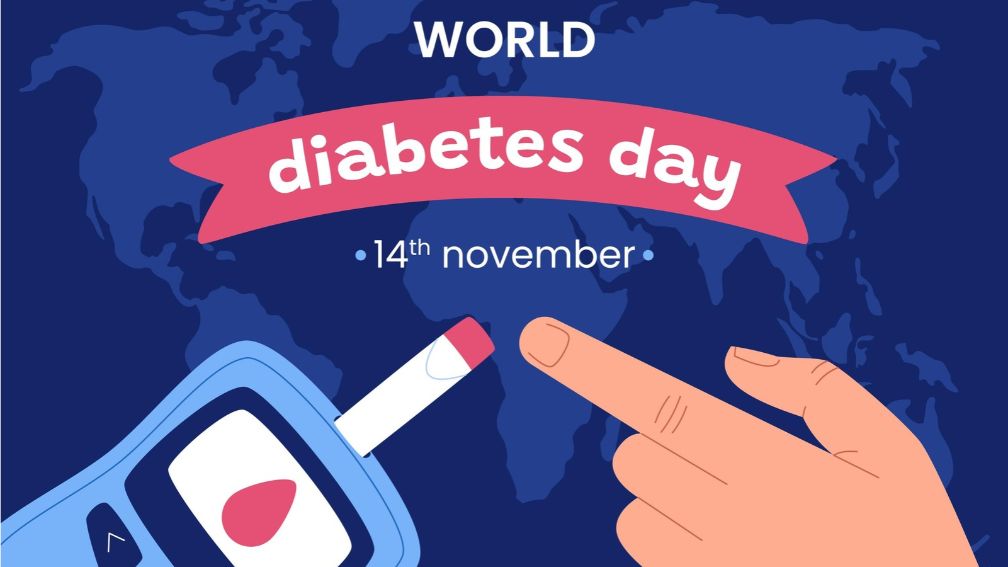
World Diabetes Day is observed every year to improve understanding of diabetes and the care it may require. It brings attention to awareness, timely health checks and everyday habits that can help people look after their health.