Loading...
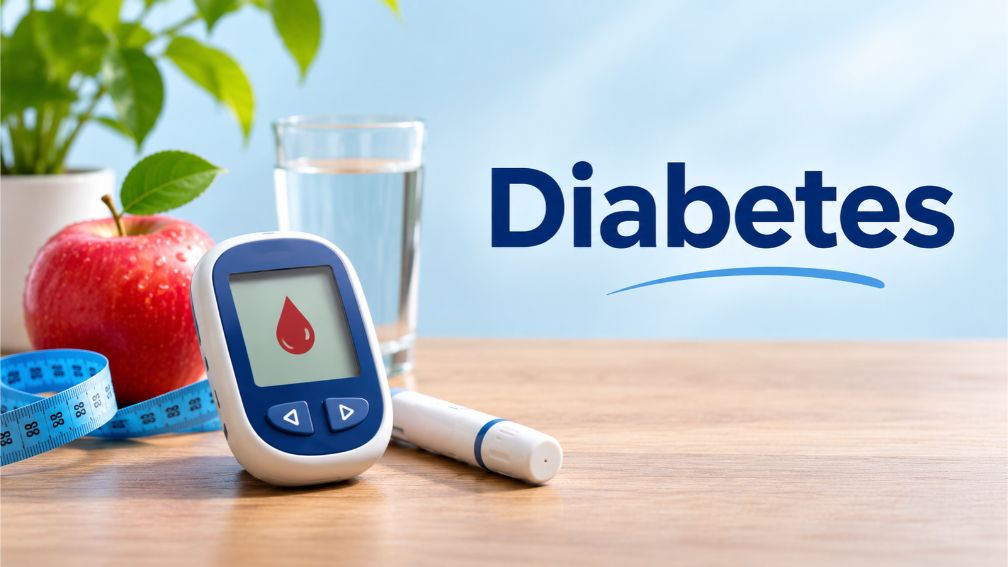
Most of us know diabetes is linked to blood sugar, but the condition involves more than one high reading. The body gets glucose from food and uses it for energy, while insulin helps move glucose into the cells.
When this process does not work properly, glucose can build up in the blood. Some people notice changes quickly, while others may have few obvious signs.
After a meal, food is broken down into glucose. It enters the bloodstream and is used for energy. Insulin, a hormone made by the pancreas, helps the cells take in glucose. With diabetes, the body may not make enough insulin or may not use it properly.
As a result, blood glucose can remain higher than it should be. A single high reading does not confirm diabetes, so proper testing is important.
In simple terms, diabetes means the body has difficulty keeping blood glucose within a healthy range because insulin is missing, insufficient or not working effectively. Diabetes does not happen simply because someone enjoys sweet food.
Food habits still matter as part of overall diabetes management. Reducing regular added sugar where suitable can be one practical step, and Sugar Free can help with this in selected foods and drinks. Balanced meals, suitable portions and medical guidance remain equally essential.
The cause depends on the type. In Type 1 diabetes, the immune system attacks the insulin-producing cells in the pancreas, leaving the body with little or no insulin. Type 2 usually develops more gradually. The body becomes less responsive to insulin, and the pancreas may struggle to keep up.
Family history, age, body weight, physical activity and some health conditions can affect risk. Gestational diabetes develops during pregnancy. While reducing added sugar does not prevent every type of diabetes, it can still be a practical part of everyday food choices. For people who regularly add sugar to tea or coffee, Sugar Free Gold+ can be considered as an alternative to regular sugar.
Diabetes symptoms are not always dramatic. Some people notice several changes together, while others may have mild symptoms that are easy to overlook.
Common signs include:
These symptoms can also have other causes, so they should not be used for self-diagnosis. If they continue or appear together, a medical check-up is the safer next step.
The three main types are Type 1, Type 2 and gestational diabetes.
Less common forms may be linked with inherited conditions, certain medicines or disorders affecting the pancreas.
Doctors usually diagnose diabetes with blood tests rather than symptoms alone. Common tests include fasting plasma glucose, HbA1c and, in some situations, an oral glucose tolerance test. HbA1c gives an idea of average blood glucose over the previous two to three months.
Because diabetes may not always cause obvious symptoms, timely testing becomes especially important.
Diabetes care depends on the type and the individual. Type 1 requires insulin, while Type 2 may involve food and activity changes, medicines, insulin or a combination of these approaches.
Food choices can also support everyday managing sugar. To reduce regular added sugar in home-cooked meals or desserts, you can use Sugar Free Natura where suitable. You can also try our Sugar Free Makhana Kheer recipe for a familiar dessert made without regular added sugar.
For a stevia-based option, Sugar Free Green can be used in selected foods and beverages. Our Sugar Free Hot Chocolate recipe is one example. These choices can help reduce regular added sugar in specific situations, while the overall diet, portions, medicines and glucose monitoring remain important.
Repeated thirst, frequent urination, unexplained weight loss, blurred vision or tiredness that continues without a clear reason should be discussed with a doctor. Testing may also be useful for people with a strong family history of diabetes or other known risk factors.
During pregnancy, concerns about raised blood glucose should be discussed with a healthcare professional. For someone already living with diabetes, sudden changes in usual readings or new symptoms also need attention.


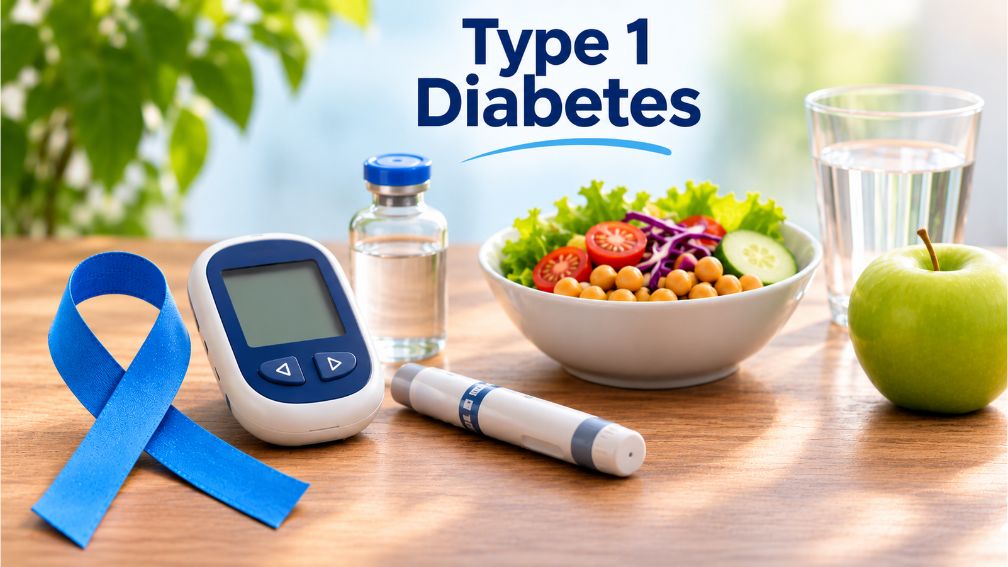
Type 1 diabetes can begin with changes that seem ordinary. A child may drink more water, someone may feel unusually tired, or weight may drop without a clear reason.
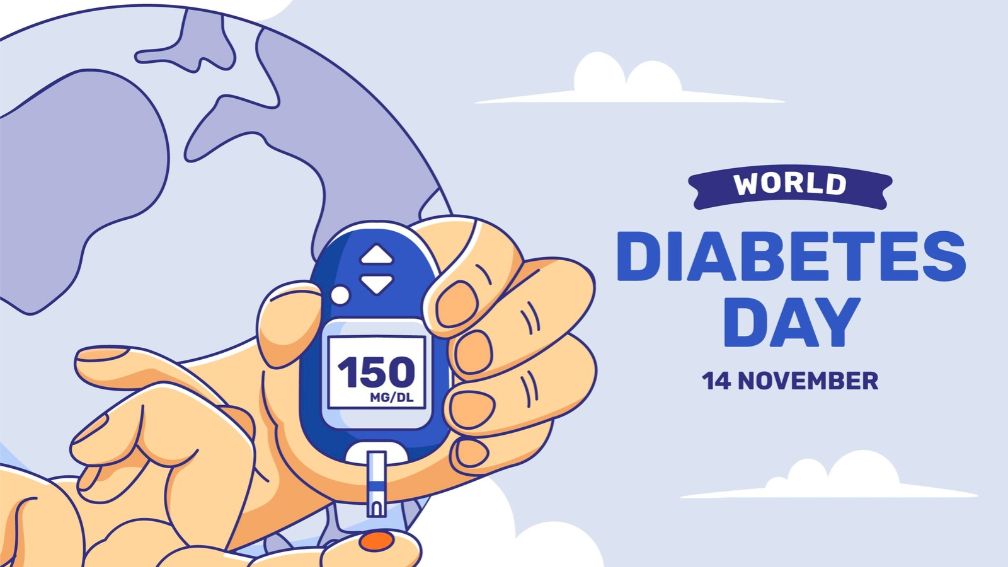
World Diabetes Day is a good time to look at diabetes in a practical way. In India, food, tea breaks and family meals are part of everyday life, so health awareness needs to fit into these routines too.
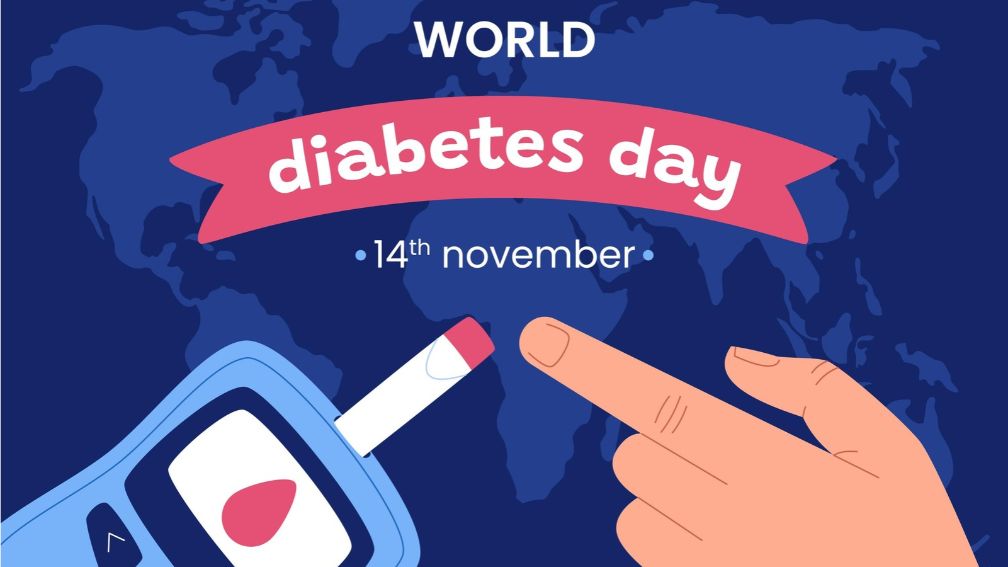
World Diabetes Day is observed every year to improve understanding of diabetes and the care it may require. It brings attention to awareness, timely health checks and everyday habits that can help people look after their health.