


Loading...
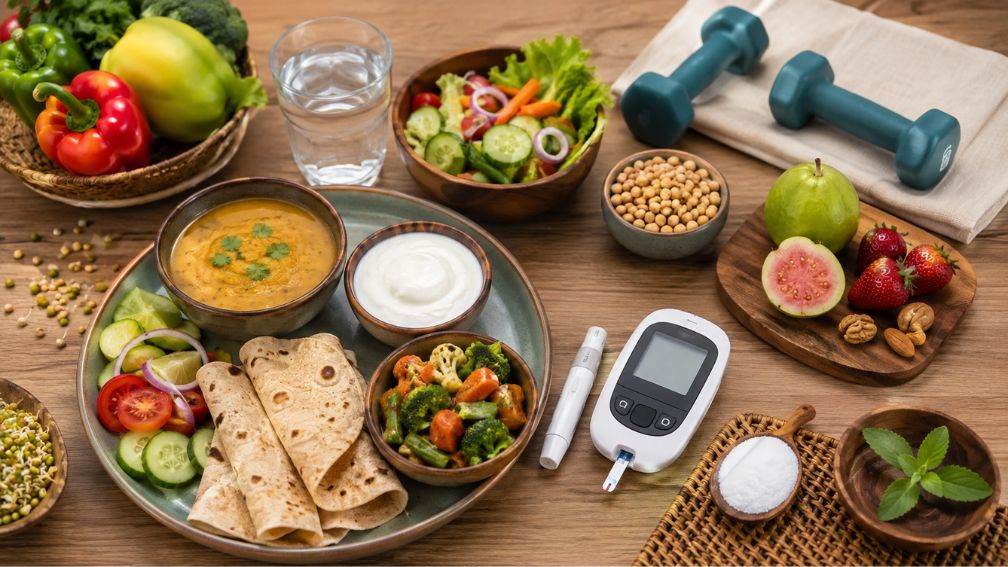
Living with diabetes does not mean you have to give up sweet flavours completely. A sugar-free lifestyle is mainly about reducing added sugar from daily habits like sweetened chai, desserts, and packaged snacks that add empty calories and can cause bigger swings.
The focus is on balanced Indian meals, measured portions, and smarter sweetening options that fit your routine. This guide explains what to eat, what to avoid, and how to stay consistent, alongside the targets your doctor sets.
For most people, going without sugar means cutting added sugar in tea, coffee, desserts, and packaged snacks, not removing all carbs. Whole fruits and plain dairy are different because they come with fibre or protein. The goal is steadier readings and fewer spikes. You still need to watch carb portions and match your meals to your medicine plan.
A sugar-free diet helps because it tackles the most frequent sugar sources first. It reduces liquid sugar from sweet drinks, cuts empty calories, and nudges you towards filling foods such as dal, curd, eggs, paneer, and vegetables. Satisfying meals also make tracking easier.
Build meals from these groups. Keep one main starch per meal and add vegetables plus protein.
For more examples, see this sugar-free foods for diabetics guide.
These are easy to overdo and can push spikes quite quickly.
Always check labels, and remember that diabetic on the front does not replace reading the back. Also, watch the portion size of rice and roti; even without sugar, big servings can lift post-meal readings quickly.
If you want sweetness with less added sugar, a low-calorie sweetener can help in daily habits like chai or home desserts. Non-caloric or non-nutritive sweeteners include steviol glycosides from the stevia plant for tabletop use, and sucralose for cooking and baking. Sucralose is heat-stable and about 600 times sweeter than sugar, so only small amounts are needed.
Sucralose has been scientifically studied and analysed by esteemed global bodies such as the Joint FAO/WHO Expert Committee on Food Additives (JECFA) and the European Food Safety Authority (EFSA) to ensure its safety. Always follow the Acceptable Daily Intake guidance on packs.
Use this as a template and adjust portions based on your targets and activity.
Meal |
Example (Indian) |
| Breakfast | Besan chilla or omelette + curd; tea/coffee with a low calorie sweetener if needed |
| Lunch | 1–2 rotis or measured rice + dal/rajma + sabzi + salad |
| Evening snack | Roasted chana or sprouts chaat; unsweetened chaas |
| Dinner | Protein (paneer/tofu/fish/chicken) + cooked vegetables + 1 roti or a small millet portion |
Focus on small daily swaps you can repeat, not short-term perfection.
To live without sugar long term, focus on daily habits.
Many misconceptions can make sugar-free eating feel harder than it actually is.
A sugar-free lifestyle works when it is routine. Build meals around vegetables and protein, keep starch portions measured, and cut added sugar in drinks and desserts. If you use sweeteners, pick the type that matches your use and stay within the pack guidance. Track your readings, learn your patterns, and follow your doctor’s targets. If you want a ready cooking option, Sugar Free Natura is one example.
You can avoid added sugar most days, but carbohydrates still matter. Aim for fewer sugar hits and better overall balance.
Whole foods can be daily staples. For sweeteners, follow the package limits and your doctor’s advice.
Choose by use: steviol glycosides for tabletop drinks; sucralose for cooking and baking.
No. Sugar-free for people with diabetes still needs portion control and carb awareness.


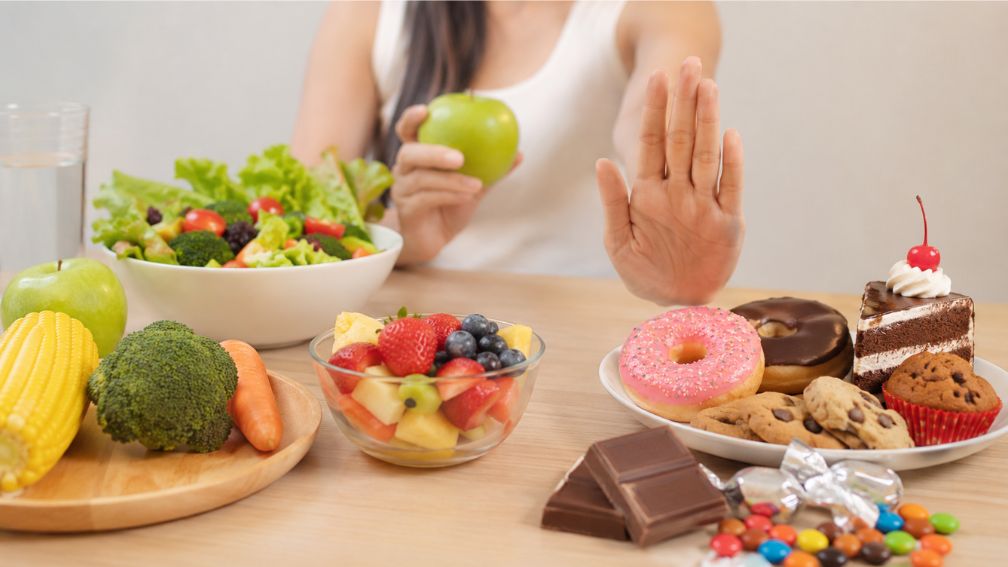
After extra sweets or sugary drinks, you may feel heavy, tired, or unusually hungry. A short reset can help you reduce added sugar, cut empty calories, and return to steadier meals.
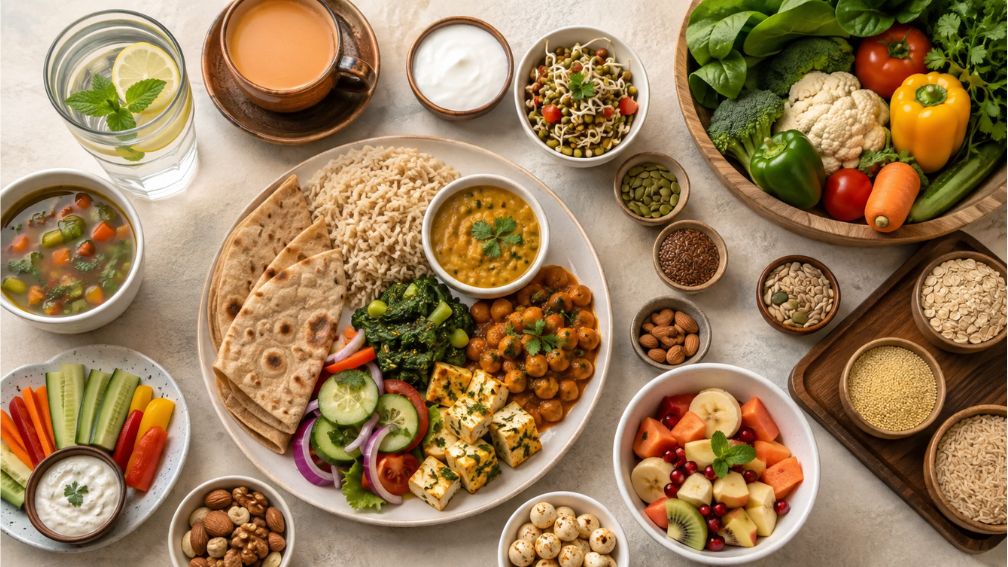
A 14-day reset helps you realistically reduce added sugar, without changing the core of your Indian meals. The main sources are usually sweetened chai or coffee, packaged drinks, biscuits, and frequent desserts that add empty calories.
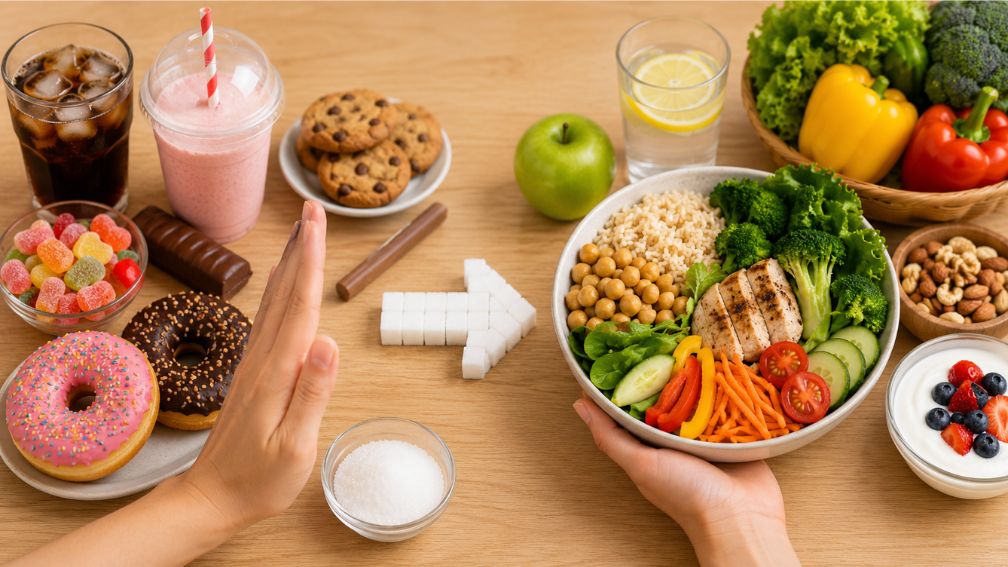
Added sugar can creep into your day through sweetened chai or coffee, packaged drinks, biscuits, and frequent desserts, adding empty calories without real fullness. Cutting back does not mean changing your entire Indian diet.