



Loading...
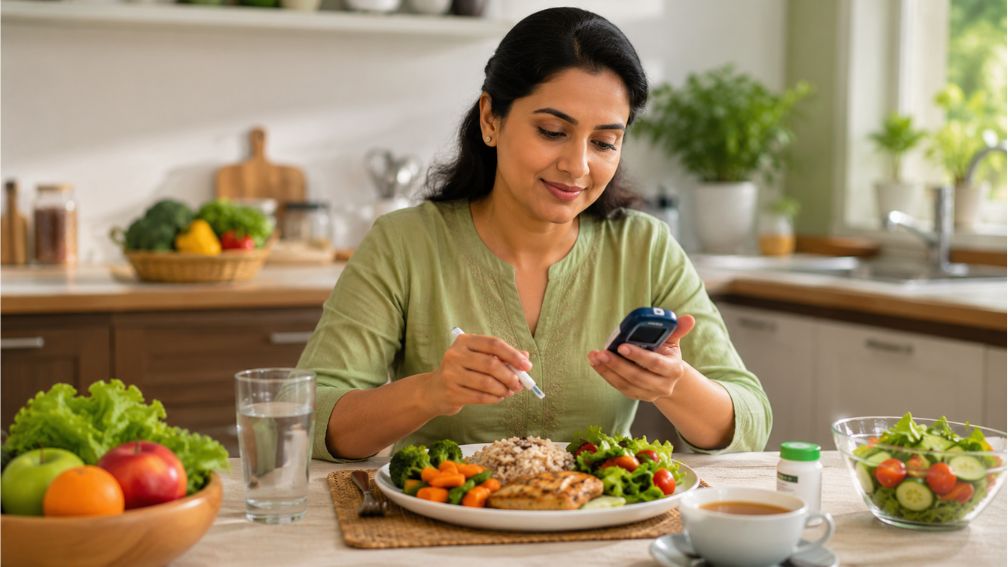
After you eat, glucose levels rise naturally, but they should come down in a reasonable time. If you are wondering what the normal blood sugar level is after eating, the key is consistency: track the same meal at the same time point to understand your pattern.
This guide explains why levels increase after food, what one-hour and two-hour checks indicate, and which everyday meal habits can reduce spikes. It also includes smart sweetening swaps to cut added sugar consumption and empty calories.
Blood sugar is glucose in your bloodstream, used as fuel. When you eat carbohydrates, they break down into glucose, so levels rise. The aim is not to stop this rise, but to avoid spikes by keeping portions measured and cutting back on added sugar in drinks and snacks.
Normal depends on timing, portion size, activity, and your health plan. One reading does not tell the full story. So, when you ask what the normal blood sugar level is after eating, try checking at the same time after similar meals, note the portion, and compare week to week. If you are unsure about your targets, use the goals your doctor sets for you. Lab reports also show reference ranges for comparison.
A reading taken right after you eat can look high because glucose is still rising. Instead, choose a fixed time point and keep it consistent. This is where a what is a normal blood sugar level immediately after eating check becomes more useful, because you are comparing like with like.
Use the timing of your check to understand whether your reading reflects a peak or recovery stage.
Around one hour, people are near their peak. Refined carbs, sweetened drinks, and oversized rice portions can drive a rise. Adding vegetables and protein usually helps slow the climb.
Two hours is often used to see recovery. If the number stays high repeatedly, reduce the carb portion, add protein, and keep meal timing steady.
After a meal, targets can vary depending on whether you have diabetes, prediabetes, or no diagnosis.
Most people return to baseline smoothly. Repeated highs on routine tests should be discussed with a clinician.
After-meal checks help you spot trigger foods and portions. Change one repeat habit at a time, and follow medical advice for medicines.
A normal blood sugar level after food goal is easier when you cut added sugars in drinks and build balanced plates most days.
The type of carbs, portion size, and the presence of fibre and protein decide how sharply your sugar rises after a meal.
Watch for symptoms or unusually high post-meal readings.
If symptoms repeat, track readings and speak to your clinician.
Checking at a fixed time after meals helps you spot triggers and make targeted changes.
This builds a normal blood sugar level after a meal routine without sudden changes.
Here are the tips:
Get medical advice if you have repeated high readings with symptoms, signs of low sugar, confusion, chest pain, vomiting, vision changes, or pregnancy. If you are newly diagnosed or adjusting to insulin, do not self-manage dose changes.
After-meal numbers work best when timing is consistent, and habits are repeatable, keep portions measured, add protein and vegetables, and reduce added sugar in drinks and snacks.
It depends on timing and your target. Repeated 160s need review.
It varies by meal and activity. Track at fixed times to learn.
A temporary rise can happen. Repeated highs need medical advice.
Child targets are individual. Ask a paediatric clinician.
Very high readings with symptoms need urgent medical help.
Fasting checks need an overnight gap. After eating, checks do not.



After extra sweets or sugary drinks, you may feel heavy, tired, or unusually hungry. A short reset can help you reduce added sugar, cut empty calories, and return to steadier meals.
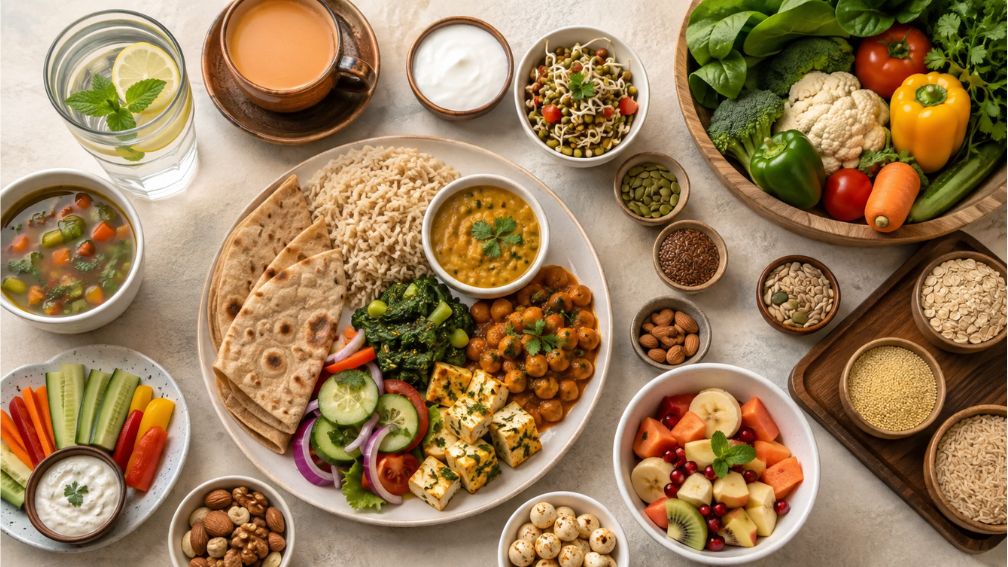
A 14-day reset helps you realistically reduce added sugar, without changing the core of your Indian meals. The main sources are usually sweetened chai or coffee, packaged drinks, biscuits, and frequent desserts that add empty calories.
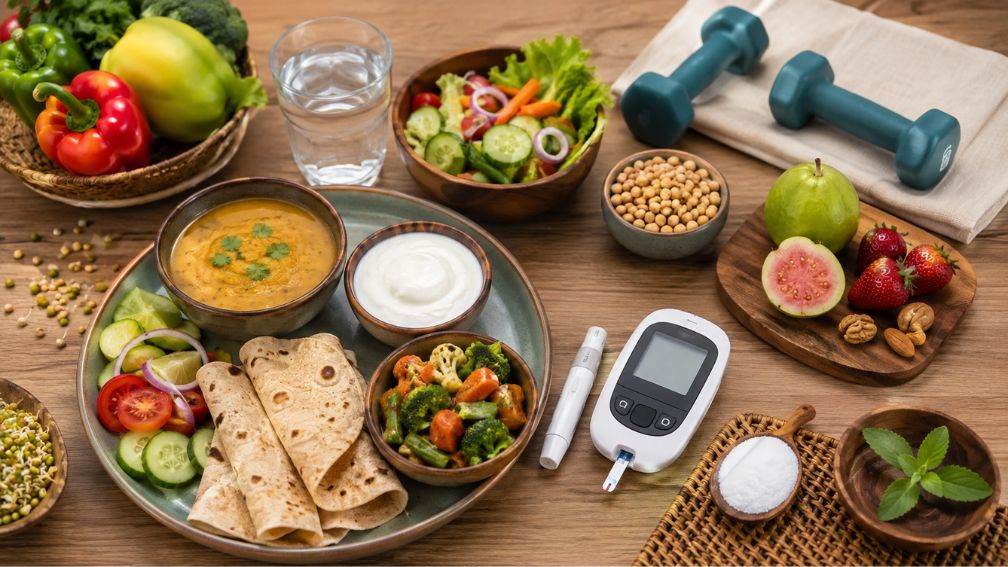
Living with diabetes does not mean you have to give up sweet flavours completely. A sugar-free lifestyle is mainly about reducing added sugar from daily habits like sweetened chai, desserts, and packaged snacks that add empty calories and can cause bigger swings.