Loading...
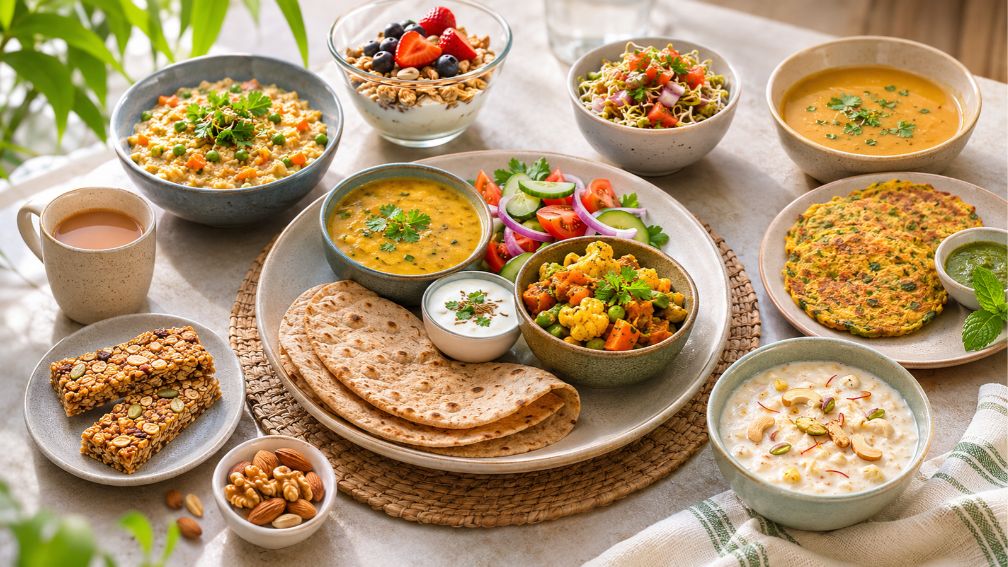
Breakfast for diabetes does not have to look very different from a regular Indian meal. Familiar foods can still fit into the morning when portions are sensible, and the plate includes enough fibre and protein.
These breakfast recipes for people with diabetes use common ingredients and simple cooking methods, so they can fit into an everyday routine.
A useful breakfast usually combines protein, fibre and a measured amount of carbohydrate. Vegetables, pulses, eggs, curd, oats and whole grains can all be included depending on medical advice. Added sugar also deserves attention, especially in tea, coffee and sweet breakfast foods.
Small breakfast changes can make everyday “managing sugar” more practical. Sugar Free can help you reduce regular added sugar in selected foods and drinks, while the overall meal still needs to remain balanced.
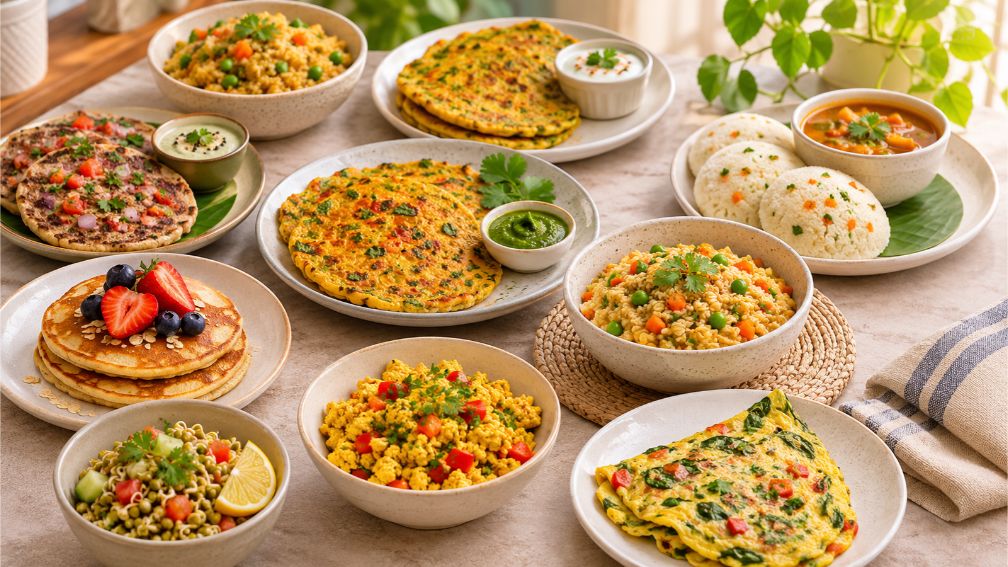
Here are ten options using familiar ingredients and simple portions.
Mix besan with onion, tomato, coriander, spices and water. Cook two small chillas on a lightly greased pan. Besan provides protein, while the vegetables add fibre. Serve with plain curd or mint chutney.
Cook oats with carrot, beans, peas, cumin and mild spices. Keep the serving to one moderate bowl and add a few seeds if suitable. For another oat-based option, you can try our Sugar Free Granola recipe.
Soak moong dal and blend it with ginger and coriander. Add chopped vegetables before cooking. Two small chillas make a simple breakfast. Serve with mint chutney or plain curd.
Steam small idlis and serve them with vegetable sambar. Keep the idli portion moderate and let the sambar add more substance to the meal.
Cook broken wheat with beans, carrot, peas and mild spices until soft. A moderate bowl combines grain and vegetables without feeling too heavy. Add extra vegetables if you want more volume.
Combine steamed sprouts with cucumber, tomato, coriander and lemon. Season lightly and keep the portion moderate. Sprouts provide plant protein and fibre, while the fresh vegetables keep the dish light.
Cook onion, tomato and capsicum, then add crumbled paneer and spices. Paneer adds protein and the vegetables add volume. Pair it with one small whole wheat roti if suitable.
Cook spinach, tomato and capsicum briefly, then add beaten eggs and scramble together. Eggs provide protein, while the vegetables add volume. A small whole grain side may be added if needed.
Mix ragi flour with curd, onion, tomato and coriander to make a thick batter. Cook one or two small uttapams on a pan and serve with chutney.
Oats can also work in a sweeter breakfast. The Oat Milk Pancakes recipe uses oats, oat milk and Sugar Free Green for sweetness. Fresh berries can be added while serving. Keep the portion sensible when planning a sweet breakfast.
Vegetables, moong dal, besan, plain curd, paneer, eggs, oats and sprouts are useful breakfast ingredients found in many Indian kitchens. Whole grains and millets can also be included. Nuts and seeds can add variety in small amounts.
For recipes that need sweetness, you can use Sugar Free Natura instead of regular sugar where suitable. The Sugar Free Granola Bars recipe, for instance, uses Natura with nuts and seeds and can be prepared ahead for busy mornings.
Very sweet, deep-fried or highly refined breakfast foods are better kept occasional. Sweetened tea, packaged juices, sugary cereals, bakery items and large portions of fried snacks can add more sugar or calories than expected.
There is no need to remove every favourite food. Smaller servings and less frequent intake can be easier to manage. For sweet tea or coffee, you can use Sugar Free Gold+ instead of regular sugar. The rest of breakfast should remain balanced.
A few basic habits can make breakfast easier to manage:
Keeping breakfast simple can make it easier to continue. Regular meals, sensible portions and small adjustments often work better than complicated rules. Personal medical advice should guide individual needs.


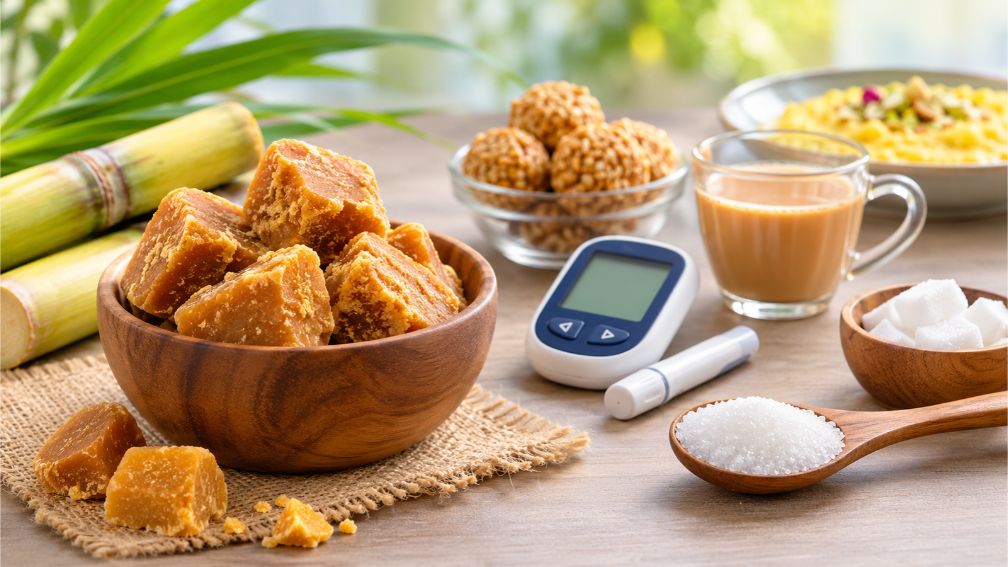
Jaggery is often seen as a more natural alternative to white sugar, but that does not automatically make it a better choice for someone with diabetes. It still provides sugar and carbohydrates that can affect blood glucose.
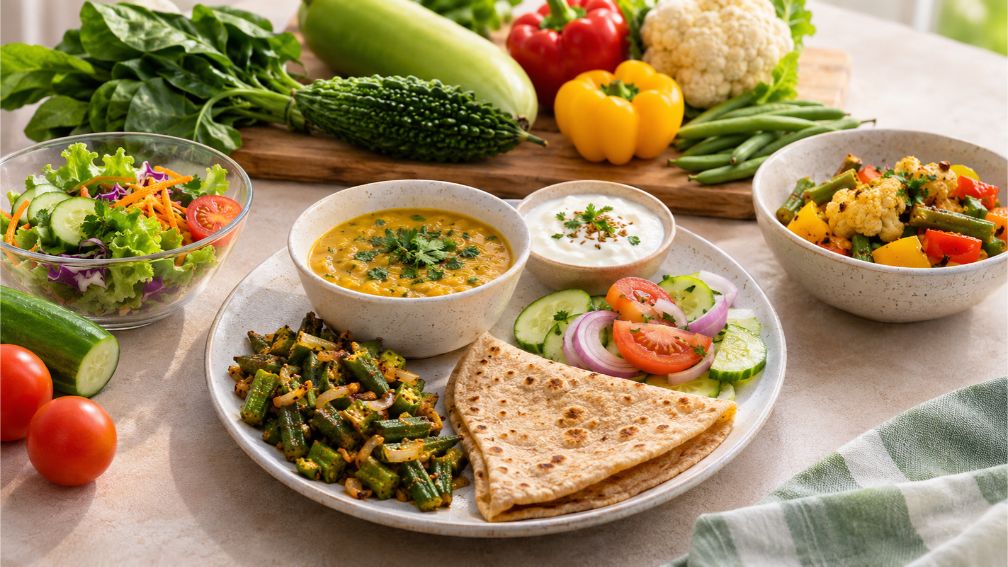
Vegetables can make diabetes-friendly meals easier to plan because they add fibre, volume, vitamins and minerals without making the plate feel restrictive. Indian kitchens already offer practical choices, from palak and bhindi to lauki, beans and cauliflower.
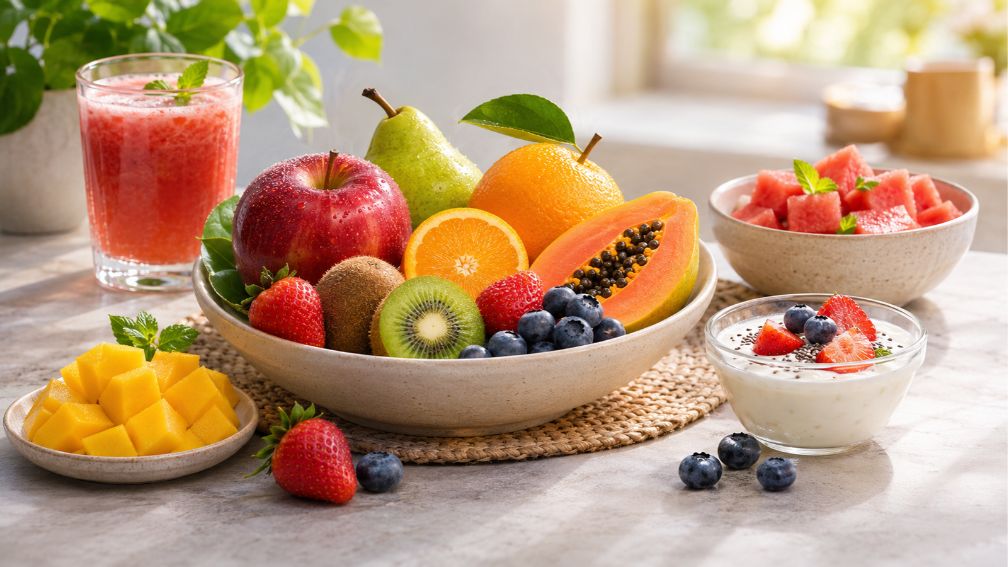
Fruit does not have to disappear from the diet just because someone has diabetes. Whole fruits provide fibre, vitamins, minerals and natural sweetness.