Loading...
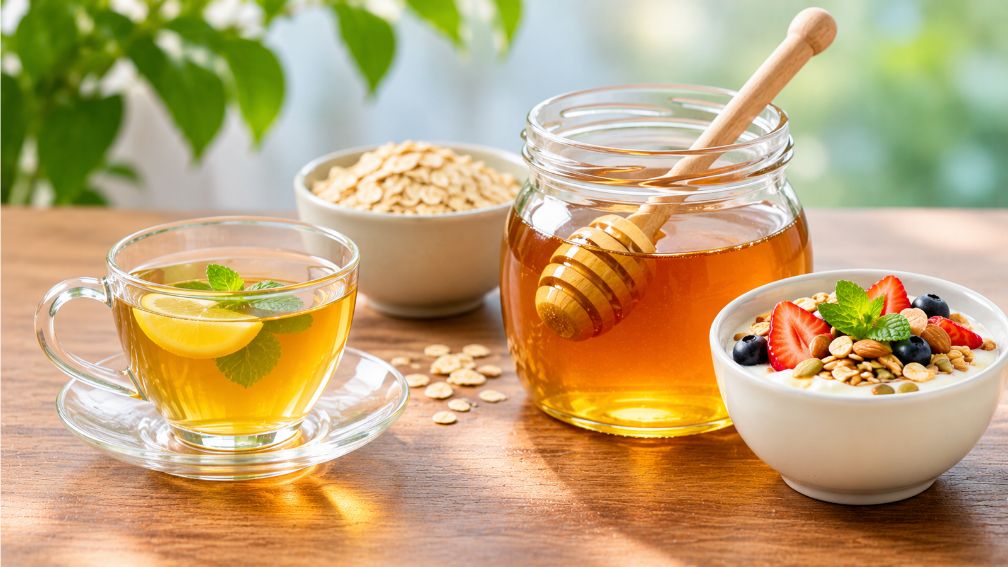
Honey may seem like a better choice than white sugar because it is natural, but it still contains sugar and carbohydrates that can raise blood glucose. For someone with diabetes, the main concern is how much honey is used and how it fits into the rest of the diet.
A small amount may fit some eating plans, but honey should still be treated as an added sweetener. Portion size, frequency and the overall carbohydrate intake matter more than whether the sweetener is natural or less processed.
Honey begins as nectar collected from flowers. Bees process it, and the final product is made mainly of sugars and water. In Indian homes, honey may be added to warm drinks, breakfast bowls, toast or desserts.
It is less refined than table sugar, but it still contributes carbohydrates. Replacing a spoon of sugar with the same amount of honey therefore does not remove added sugar from the meal.
Honey should not be treated as something you can use freely simply because it comes from a natural source. A spoon of honey still adds sugar to a drink or dish, so portion size matters.
If you want to reduce regular added sugar rather than simply replace one sweetener with another, you can use a suitable sugar-free sweetener in selected foods or drinks. Your overall carbohydrate intake and the rest of the meal still need attention.
If you have diabetes, it is better to treat honey like any other added sweetener. Blood glucose can still rise after eating it, especially when larger amounts are used, or honey appears several times during the day.
Measuring the amount can help you keep track of how much sweetness is being added. For a make-ahead breakfast or snack, you can also try our Sugar Free Granola Bars recipe, made with Sugar Free Natura instead of regular added sugar.
If you have Type 2 diabetes, honey should not be seen as a healthier replacement for sugar. Both add carbohydrates and can affect blood glucose, so the amount needs to fit into your overall meal plan.
If you regularly add honey or sugar to your tea or coffee, Sugar Free Gold+ can be used instead to reduce regular added sugar in the drink. The rest of your meal and overall carbohydrate intake still matter.
Yes. Honey contains sugars that are absorbed during digestion, so it can raise blood glucose. The amount makes a difference. A drizzle is not the same as several spoonfuls added to cereal, drinks or desserts.
Honey can also be easy to overlook because it is seen as natural. World Diabetes Day is a useful reminder that managing sugar also means noticing everyday sources of sweetness, including honey, rather than focusing only on table sugar.
Honey and refined sugar come from different sources, but both add sugar and carbohydrates to the diet.
Factor |
Honey |
Refined Sugar |
| Source | Made by bees from flower nectar | Usually sugarcane or sugar beet |
| Processing | Less refined | More refined |
| Blood glucose | Can raise it | Can raise it |
| Carbohydrates | Contains carbohydrates | Contains carbohydrates |
| Practical approach | Use a measured amount | Keep added intake limited |
There is no single amount that suits everyone with diabetes. How much honey fits into your diet depends on the rest of the meal, your daily carbohydrate intake, medicines and individual glucose response. A measured teaspoon is very different from adding honey freely to several foods during the day.
If you usually drizzle honey over pancakes, you can try our Sugar Free Oat Milk Pancakes recipe, made with Sugar Free Green and served with fresh berries. If you use insulin or glucose-lowering medicines, discuss major diet changes with your healthcare professional.
Managing sweet cravings does not mean removing every sweet taste. A practical approach is to notice where sweetness appears most often and reduce regular added sugar where suitable.
You can:
The aim is to understand how much added sugar enters your day and make practical choices that fit your overall meal plan.


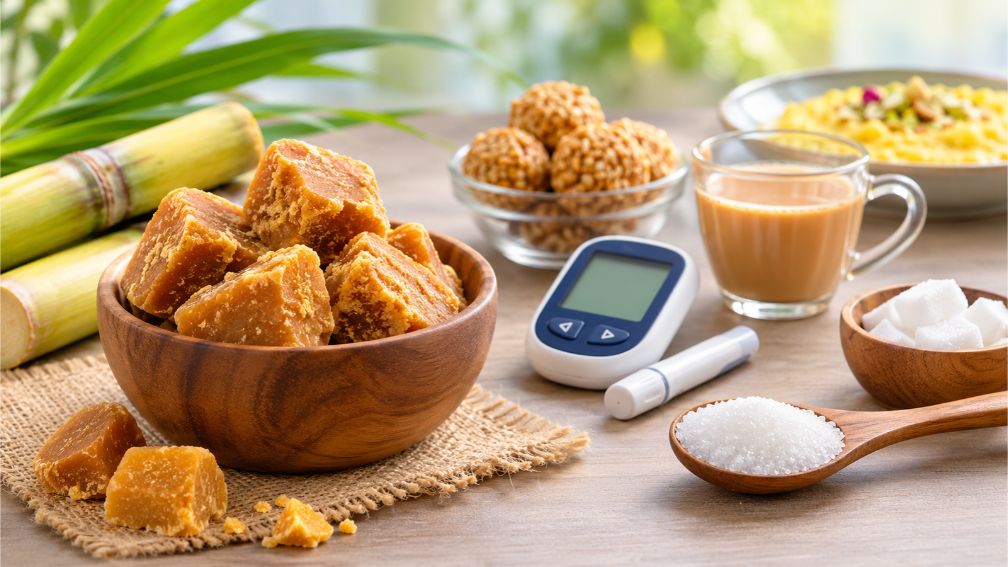
Jaggery is often seen as a more natural alternative to white sugar, but that does not automatically make it a better choice for someone with diabetes. It still provides sugar and carbohydrates that can affect blood glucose.
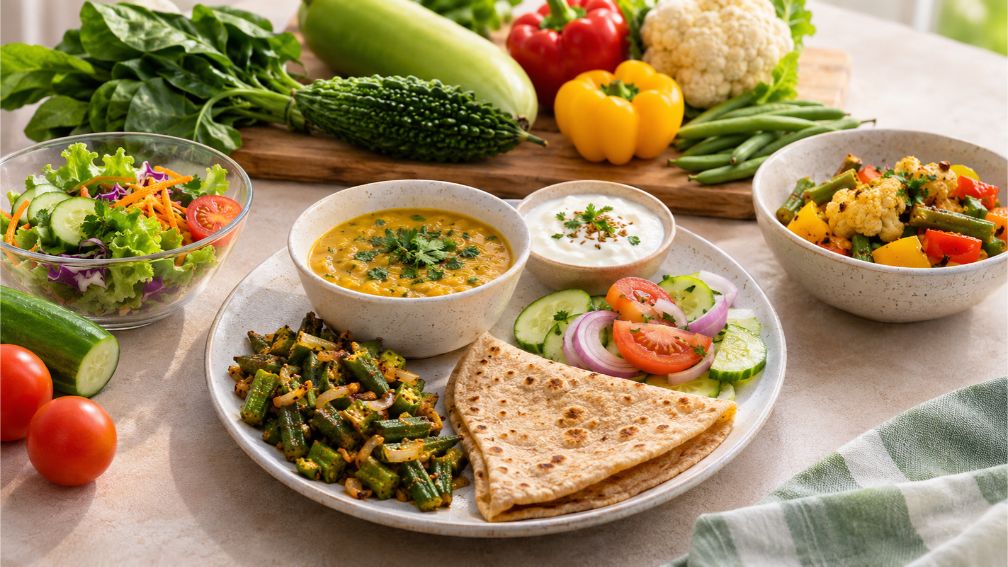
Vegetables can make diabetes-friendly meals easier to plan because they add fibre, volume, vitamins and minerals without making the plate feel restrictive. Indian kitchens already offer practical choices, from palak and bhindi to lauki, beans and cauliflower.
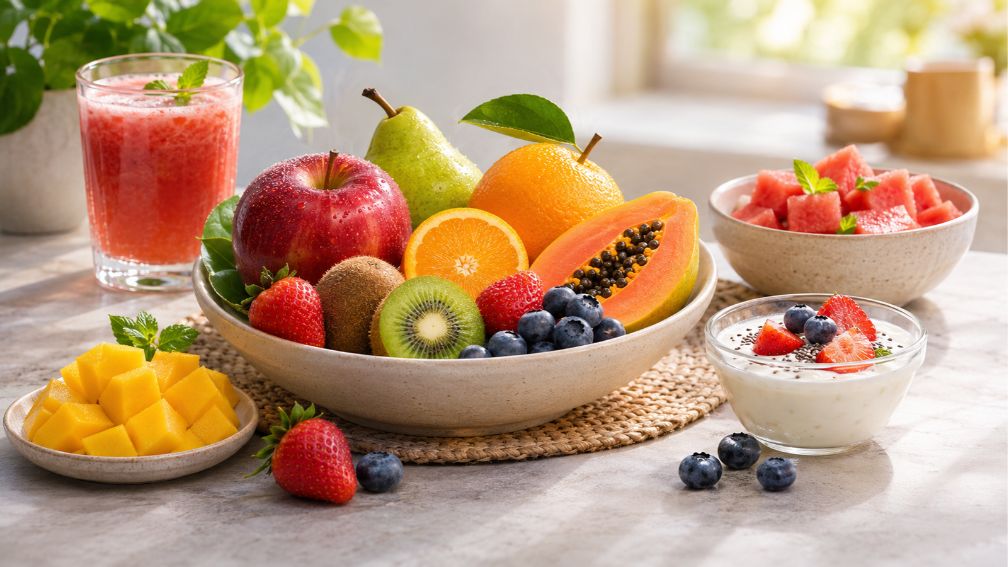
Fruit does not have to disappear from the diet just because someone has diabetes. Whole fruits provide fibre, vitamins, minerals and natural sweetness.