Loading...
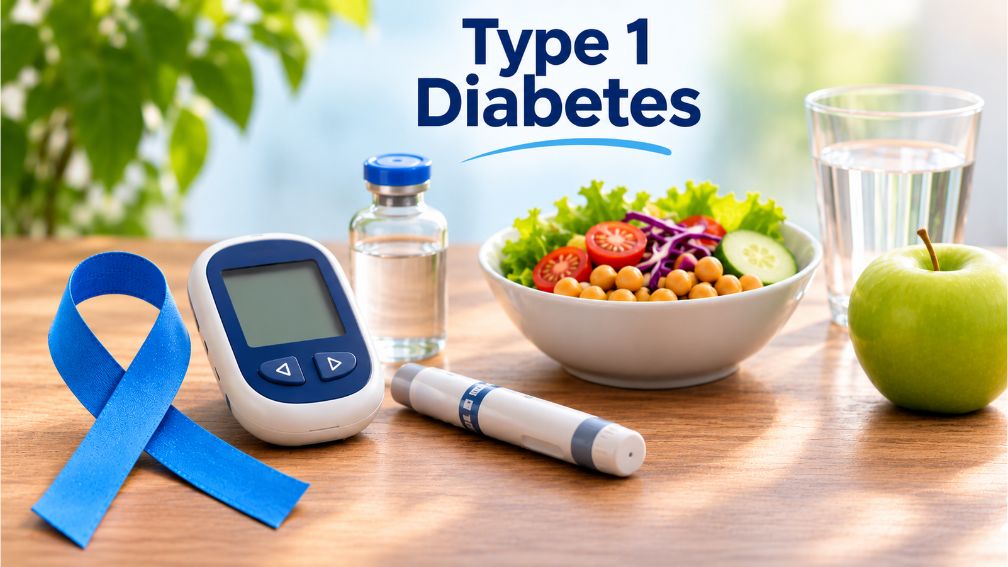
Type 1 diabetes can begin with changes that seem ordinary. A child may drink more water, someone may feel unusually tired, or weight may drop without a clear reason.
The condition develops when the body can no longer make enough insulin. Symptoms may appear quickly, so early recognition matters. It can occur at any age, though it is often diagnosed in younger people.
Type 1 diabetes is an autoimmune condition. The immune system attacks the beta cells in the pancreas that make insulin. As these cells are damaged, the body produces very little or no insulin.
Without insulin, glucose cannot move from the blood into the cells properly. Blood glucose then rises, while the body struggles to use glucose for energy. People with Type 1 diabetes therefore need insulin treatment every day.
Insulin helps glucose move from the bloodstream into the cells. When insulin is missing, glucose remains in the blood instead of being used normally for energy. This is why treatment cannot be paused. Insulin, glucose monitoring, meals and activity all need regular attention.
Type 1 diabetes is not caused by eating sweets or by a particular food habit. It develops because of an autoimmune process that affects the insulin-producing cells in the pancreas.
There is no single known cause. Doctors know that an autoimmune reaction destroys the insulin-producing beta cells, but the exact trigger is still being studied. Genes may affect risk, and researchers are also studying possible environmental triggers.
Food choices or lifestyle habits do not cause Type 1 diabetes. This is why prevention cannot be reduced to avoiding one food or ingredient.
Symptoms can appear over a short period. Common signs may include:
These signs can have other causes. However, several symptoms appearing together, especially over a short time, should not be ignored.
In children, changes may be easier to notice through daily routines. A child may begin waking at night to urinate, start bedwetting again after being dry, drink much more water or lose weight despite eating normally.
World Diabetes Day is also a reminder that “awareness should lead to timely action”. Sudden or persistent symptoms should not be ignored, especially when several signs appear together. Vomiting, deep or fast breathing, severe weakness or unusual sleepiness need urgent medical attention.
Doctors use blood tests to confirm diabetes. Testing may include fasting glucose, random glucose or HbA1c. Autoantibody tests can also help distinguish Type 1 diabetes from other forms.
Symptoms and risk awareness can indicate when medical attention is needed, but diagnosis must still be based on appropriate clinical testing and professional assessment.
Insulin is the main treatment for Type 1 diabetes. Day-to-day care also involves checking glucose, planning meals, staying active and understanding how carbohydrates may affect insulin needs.
Food choices can still support everyday managing sugar. To reduce regular added sugar in suitable foods or desserts, you can use Sugar Free Natura where it fits the meal plan. You can also try our Sugar Free Makhana Kheer recipe, while keeping the carbohydrate portion and serving size in mind.
Children often need parents or caregivers to help with insulin, meals and glucose checks. Adults may manage more of these tasks independently, but planning still matters. Small food changes can work for the whole household.
A stevia-based option such as Sugar Free Green can be used in selected drinks when sweetness is preferred. The Sugar Free Hot Chocolate recipe shows one way Green can be used, with the serving still counted within the meal plan.
Food choices may support day-to-day care in both, but they do not replace treatment.
| Factor | Type 1 Diabetes | Type 2 Diabetes |
| Main issue | The body makes very little or no insulin | The body does not use insulin effectively |
| Development | Symptoms may appear quickly | Often develops gradually |
| Age | Can occur at any age | More common in adults, but can occur younger |
| Insulin | Required for treatment | May or may not be required |
| Management | Insulin, glucose checks, meals and activity | Food, activity, medicines, monitoring and sometimes insulin |


Most of us know diabetes is linked to blood sugar, but the condition involves more than one high reading. The body gets glucose from food and uses it for energy, while insulin helps move glucose into the cells.
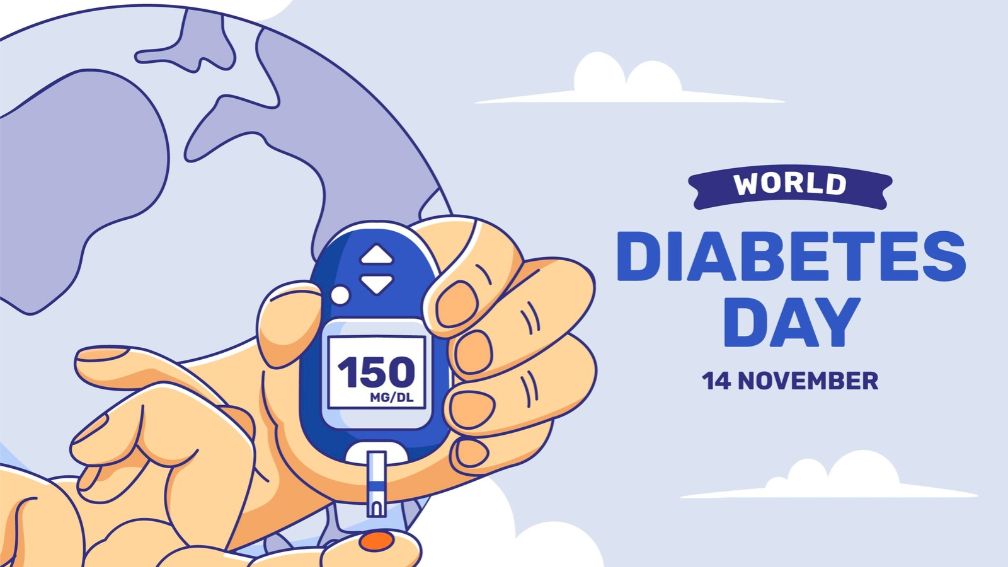
World Diabetes Day is a good time to look at diabetes in a practical way. In India, food, tea breaks and family meals are part of everyday life, so health awareness needs to fit into these routines too.
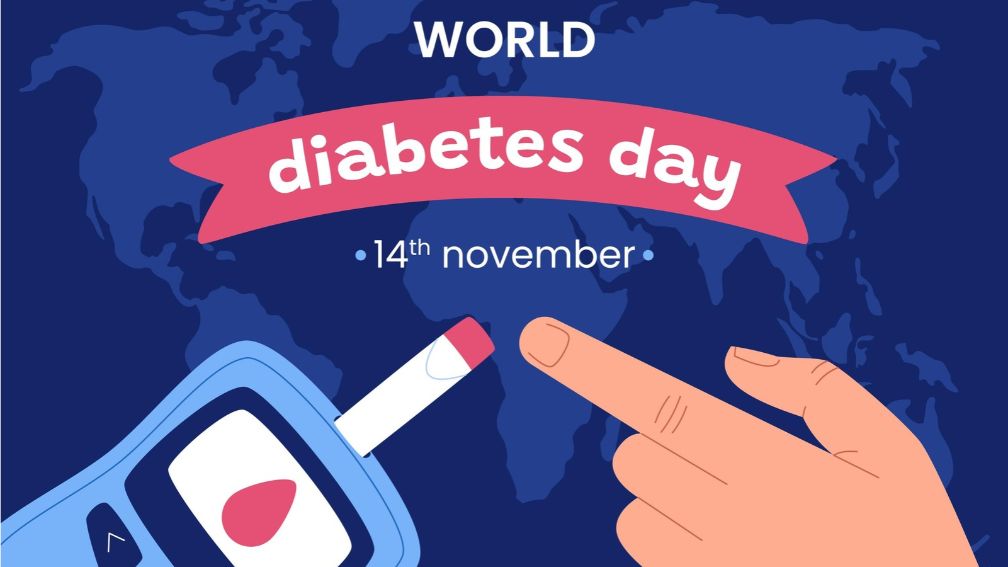
World Diabetes Day is observed every year to improve understanding of diabetes and the care it may require. It brings attention to awareness, timely health checks and everyday habits that can help people look after their health.