Loading...
Diabetes is part of everyday health conversations for many families in India. Still, hearing about the condition is not the same as understanding it. World Diabetes Day gives people a reason to talk about signs, testing, treatment and care. It also draws attention to timely diagnosis and support.
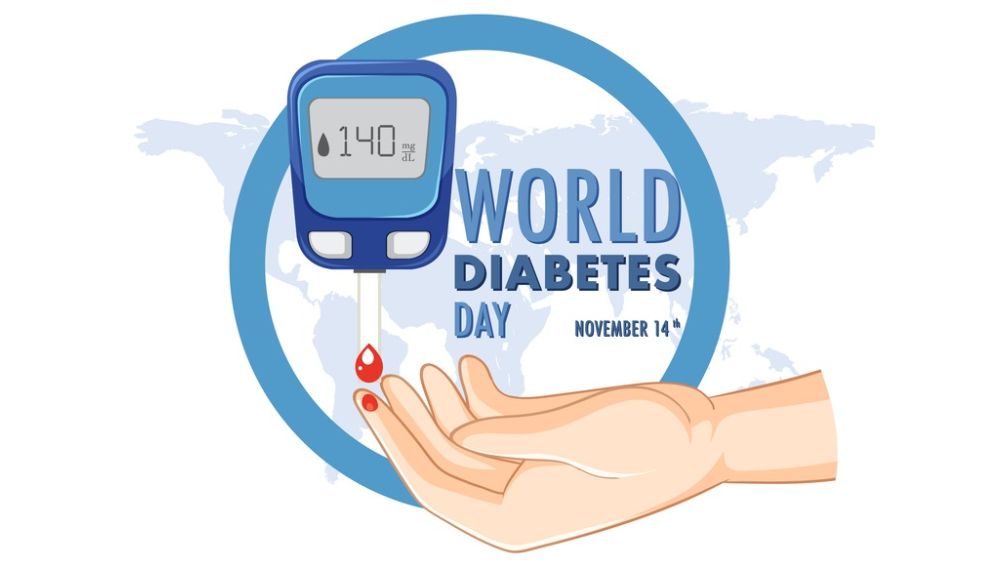
The WDD full form is World Diabetes Day, which is observed on 14 November every year. Its recognised symbol is a blue circle, which represents global diabetes awareness.
The campaign began in 1991 through the International Diabetes Federation and the World Health Organization. It later became an official United Nations day. The date marks the birthday of Sir Frederick Banting.
The day is observed to make diabetes easier to understand and harder to ignore. Many individuals may live with the problem for a long time before they are treated, especially when symptoms are mild.
Awareness can encourage people to notice changes in their everyday health and speak to a doctor when needed. It also helps families understand that diabetes care also contains regular check-ups, medicines, food choices, physical activity and monitoring.
The day also draws attention to access to diagnosis, treatment and reliable health information.
The importance of the day lies in the scale of the problem and the need for early treatment as soon as possible. Diabetes affects a large number of adults in India, while many cases remain undiagnosed.
Moreover, simple awareness can make a big difference. It means individuals who know the common signs of an issue may seek medical advice instead of overlooking them. Families can offer better support when they understand the effort involved in managing diabetes.
The campaign also encourages governments, health organisations and communities to improve access to screening, care and education. So, the day is not only about sharing facts. It is about making diabetes care easier to understand and reach.
The World Diabetes Day theme for 2026 and 2027 is “Early action on diabetes.”
The message is loud and clear. It implies that people should not have to suffer from diabetes for a long time before they are able to get help or assistance. Better treatment can facilitate timely care, and knowledge about risk factors can promote preventive measures.
For 2026, the campaign focuses on warning signs and personal risk. Increased thirst, frequent urination, tiredness and blurred vision are among the symptoms linked with diabetes. Some people with type 2 diabetes may have few obvious symptoms.
The campaign message for 2026 is “Act early on diabetes.”
The slogan for World Diabetes Day connects with the year’s theme. It helps in encouraging people to pay attention earlier, whether that means learning about risk factors, arranging a health check or supporting someone recently diagnosed.
It also reminds people that everyday habits matter. Balanced meals, regular movement, maintaining a suitable body weight and avoiding tobacco are among the measures commonly advised for reducing the risk of type 2 diabetes.
A few World Diabetes Day facts help explain why the campaign matters:
These points may sound basic, but they matter. Knowing what to look out for makes it easier to recognise when you should not delay a health concern.
You do not need to organise a large event to take part in World Diabetes Day. Small actions can be useful too.
You can read trusted information, share accurate material with family members, attend a screening programme, or encourage someone to speak with a healthcare professional if they are concerned about symptoms.
Schools, offices and community groups can arrange short awareness sessions. At home, you can also use the day to look at food and activity habits. If you decrease your intake of added sugar, choose balanced meals, and stay active, you can support healthier routines.
People already managing diabetes should continue to follow the advice given by their healthcare professional rather than making changes based only on general information.



Jaggery is often seen as a more natural alternative to white sugar, but that does not automatically make it a better choice for someone with diabetes. It still provides sugar and carbohydrates that can affect blood glucose.

Vegetables can make diabetes-friendly meals easier to plan because they add fibre, volume, vitamins and minerals without making the plate feel restrictive. Indian kitchens already offer practical choices, from palak and bhindi to lauki, beans and cauliflower.

Fruit does not have to disappear from the diet just because someone has diabetes. Whole fruits provide fibre, vitamins, minerals and natural sweetness.