



Loading...
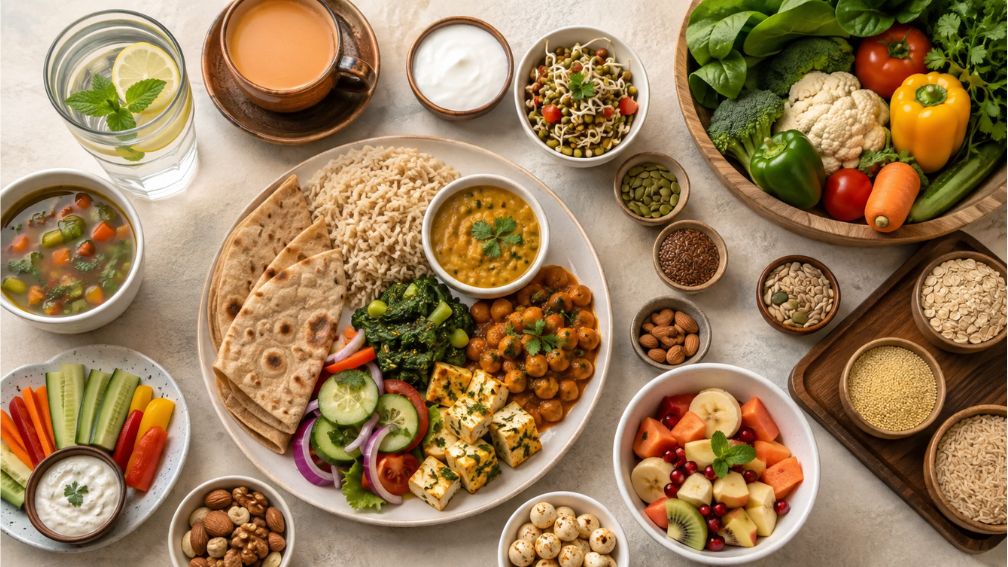
A 14-day reset helps you realistically reduce added sugar, without changing the core of your Indian meals. The main sources are usually sweetened chai or coffee, packaged drinks, biscuits, and frequent desserts that add empty calories.
This plan focuses on whole foods, balanced plates, and simple swaps you can follow daily. You will also learn how a low-calorie sweetener can support your routine in drinks and selected recipes when you want sweetness.
This is a two-week reset where you lower added sugar and improve your daily defaults. Use this 14-day no sugar diet food list to keep meals simple, filling, and consistent.
Cut added sugar from daily drinks and snacks, and stick to whole foods for 14 days.
Choose foods that naturally fit Indian cooking and keep you full.
To cut added sugar in everyday tea, coffee, or desserts, you can use a low-calorie sweetener in measured amounts. Non-caloric or non-nutritive sweeteners include steviol glycosides from the stevia plant, mainly used for tabletop sweetening, and sucralose, which is heat-stable for cooking and baking. Sucralose is about 600 times sweeter than sugar, so only a small quantity is needed.
Sucralose has been scientifically studied and analysed by esteemed global bodies such as the Joint FAO/WHO Expert Committee on Food Additives (JECFA) and the European Food Safety Authority (EFSA) to ensure its safety. Always follow the Acceptable Daily Intake on the pack; Sugar Free Natura is one ready option for cooking.
Use a repeatable template instead of planning every meal.
Week one breaks the automatic sugar habit. You may notice cravings after meals. Plan snacks, eat enough protein, and keep dinners early and light. We should avoid added sugar consumption because it adds empty calories and can lead to bigger swings.
Week two is about staying steady outside the house. When eating out, pick dal, sabzi, and grilled or tandoori options, then keep dessert portions.
Small swaps keep the challenge realistic.
| Instead of | Try |
| Sweetened chai | Chai with a low-calorie sweetener |
| Packaged juice | Whole fruit plus water |
| Biscuits | Roasted chana or makhana |
| Dessert daily | Dessert once or twice a week, portioned |
| Sugary chocolate | Dark chocolate with plant-sourced maltitol, portioned |
Regular chocolates can have 45 to 50 per cent sugar. Some dark bars use maltitol, which is plant-sourced and known not promote tooth decay, but portions still matter.
Most people slip because of hidden sugar in packaged foods and poor meal planning.
It helps reset cravings and makes balanced eating feel easier to maintain.
If you are pregnant, breastfeeding, under 18, or have a history of eating disorders, get medical advice first. If you take glucose-lowering medicines, especially insulin, ask your doctor about dose adjustments. If you have kidney or heart issues, follow your clinical diet plan.
A 14-day no sugar diet works best when you focus on repeat habits: drinks, snacks, and dessert frequency. Keep meals balanced, measure portions, and read labels. After 14 days, bring the treats back carefully and keep the baseline you built. Keep one mindful treat day weekly, not daily sweet bites.
Yes. Choose whole fruit in sensible portions and avoid fruit juice.
They are still added sugar, so skip them during the challenge.
Often, if total calories drop, portions improve.
Yes. Reduce gradually or use a low-calorie sweetener.
Cravings often reduce, and it becomes easier to keep sugar occasional, not daily.


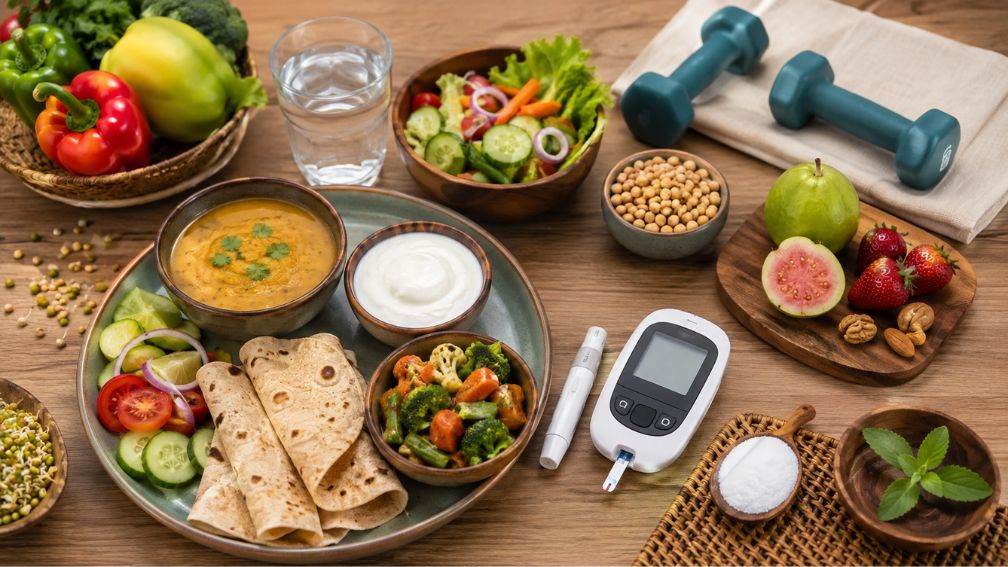
Living with diabetes does not mean you have to give up sweet flavours completely. A sugar-free lifestyle is mainly about reducing added sugar from daily habits like sweetened chai, desserts, and packaged snacks that add empty calories and can cause bigger swings.
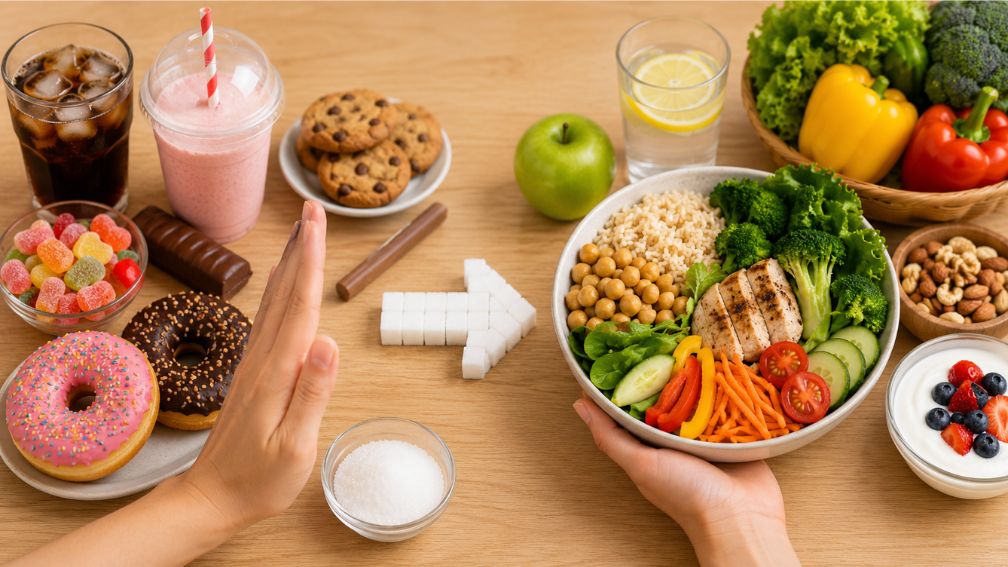
Added sugar can creep into your day through sweetened chai or coffee, packaged drinks, biscuits, and frequent desserts, adding empty calories without real fullness. Cutting back does not mean changing your entire Indian diet.
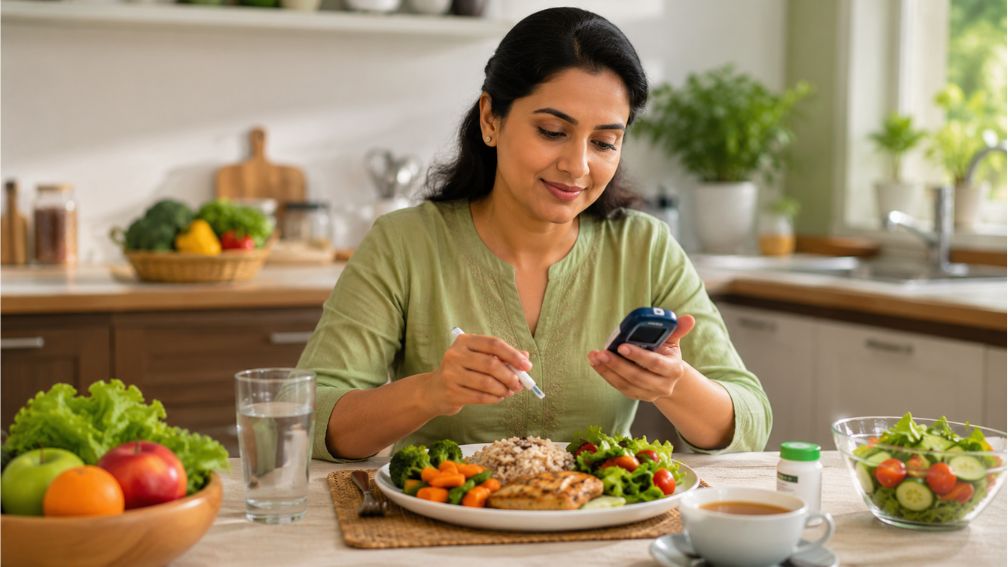
After you eat, glucose levels rise naturally, but they should come down in a reasonable time. If you are wondering what the normal blood sugar level is after eating, the key is consistency: track the same meal at the same time point to understand your pattern.