


Loading...
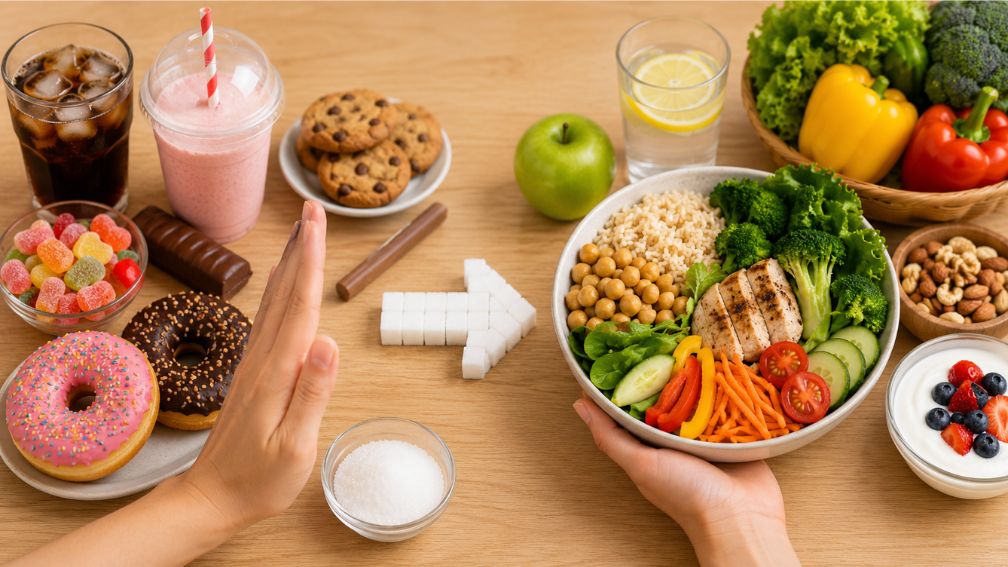
Added sugar can creep into your day through sweetened chai or coffee, packaged drinks, biscuits, and frequent desserts, adding empty calories without real fullness. Cutting back does not mean changing your entire Indian diet. It means spotting the main sources, reducing them step by step, and choosing smarter alternatives that you can actually maintain.
This guide covers what a lower sugar routine looks like, foods to prioritise, a simple 7-day plan, and sweetening swaps that help you keep taste while reducing sugar in drinks and recipes.
Start with the habit you repeat most. If you add sugar to tea twice a day, begin there: measure what you use for three days, then reduce slowly so your taste adapts. Cut back on sweetened bottled drinks; liquid sugar adds up.
A no-sugar diet usually means avoiding added sugars in daily foods and drinks. You cut sugar in tea or coffee, sweets, desserts, bakery items, and sweetened beverages, plus packaged foods with added sugar. Natural sugars from fruits and milk are taken in moderation.
Added sugar can raise calories quickly, which is why it is often called empty calories. It may also keep you looking for the next sweet bite. When sugar shows up repeatedly through tea, biscuits, and dessert, it can crowd out better foods from your day.
Reducing added sugar can lower empty calories, steady cravings, and support more balanced daily energy.
Many people notice fewer mid-afternoon slumps once sweetened beverages are reduced.
Taste adjusts when you reduce sugar gradually, so fruit and mildly sweet foods start tasting richer. The site also mentions purchase panel data showing around 2 million families in India bought these products over two years (July 2017 to June 2019).
EEAT: The site describes sucralose as about 600 times sweeter than sugar, and notes the sugar load in regular chocolate.
If daily, reduce first:
Here are everyday foods you can rely on while cutting back on added sugar.
Aim for half your plate: seasonal sabzi, salads, and cooked greens.
Choose whole fruit. Keep juices for rare occasions.
Dal, chana, rajma, curd, paneer, eggs, fish, and lean chicken.
Measured nuts, seeds, ghee, and oils.
Water, unsweetened chaas, plain soda, and herbal teas. Prefer water and unsweetened drinks, and keep juices for rare occasions.
Use this no-sugar diet plan as a template. Adjust portions to your needs and medical advice.
| Day | Breakfast | Lunch | Snack | Dinner |
| 1 | Upma | Roti + dal + sabzi | Roasted chana | Rice + sambar + salad |
| 2 | Moong chilla + curd | Chole + salad | Fruit + nuts | Roti + paneer + veg |
| 3 | Idli + sambar | Rajma + veg | Buttermilk | Khichdi + raita |
| 4 | Poha + sprouts | Roti + protein curry | Makhana | Dal + bhindi + roti |
| 5 | Daliya | Mixed dal + veg | Curd | Fish or tofu + veg |
| 6 | Dosa + chutney | Curd rice + veg | Popcorn plain | Soup + protein + salad |
| 7 | Oats porridge | Millet roti + dal | Coconut water | Light dinner: dal + veg |
Start by reducing sugar in your daily drinks first, then tackle snacks, desserts, and packaged foods one habit at a time.
For sweetness, non-caloric or non-nutritive sweeteners include sucralose and steviol glycosides. Steviol glycosides come from the stevia plant and are suitable for tabletop sweetening, while sucralose is heat-stable for cooking and baking and about 600 times sweeter than sugar.
Sucralose has been studied and analysed by JECFA and EFSA to ensure its safety. One ready cooking option is Sugar Free Natura.
Cravings often feel strongest in the evening. Eat dinner on time, add protein, and keep one planned snack ready to avoid bakery food. When eating out, share a dessert and keep the portion small. Hidden sugar is another challenge. Read labels for sugar and syrups on drinks, cereals, spreads, and sauces.
A no-sugar diet works best when you treat it as reducing added sugar, not banning foods. Start with drinks, then snacks, then desserts. Keep meals balanced, and use a low-calorie sweetener when you want sweetness with low sugar calories and no extra calories from sugar.
For most adults, reducing added sugar is safe. Follow medical advice in pregnancy or for chronic conditions.
Try 7 days to build momentum, then keep the habits you can maintain.
Many people with diabetes reduce added sugar, but targets differ. Check with your doctor, especially if you use insulin.
Honey is still added sugar, so keep it occasional and measured.
Possibly, if it reduces your total calories.
Cravings often drop, and energy feels steadier.
Sugar cravings reduce further, and weight control becomes easier for many.


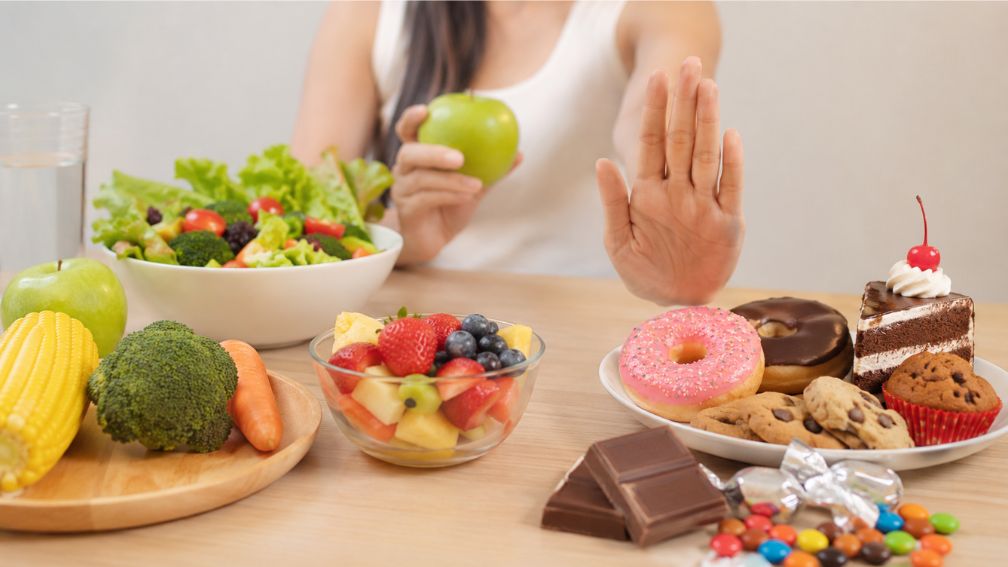
After extra sweets or sugary drinks, you may feel heavy, tired, or unusually hungry. A short reset can help you reduce added sugar, cut empty calories, and return to steadier meals.
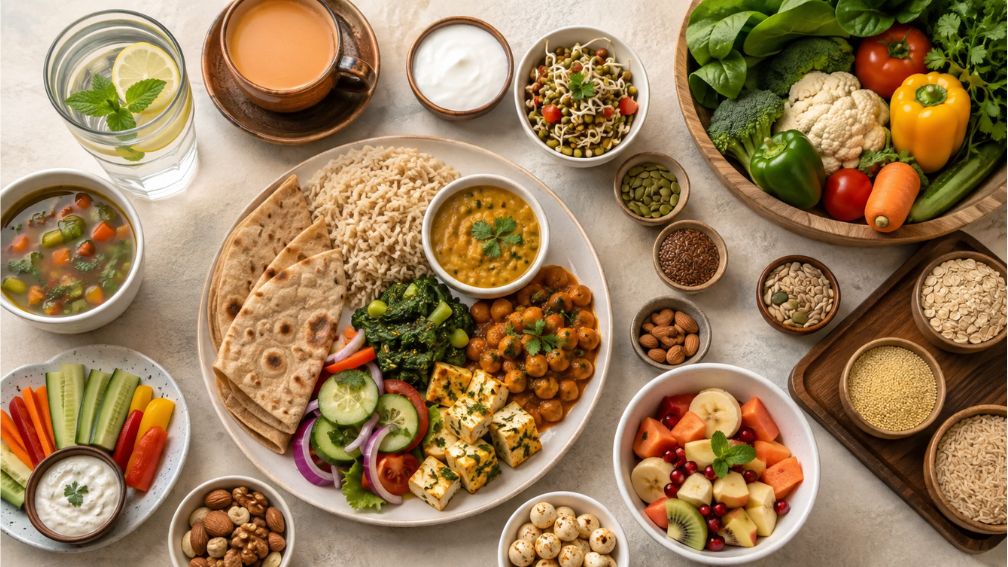
A 14-day reset helps you realistically reduce added sugar, without changing the core of your Indian meals. The main sources are usually sweetened chai or coffee, packaged drinks, biscuits, and frequent desserts that add empty calories.
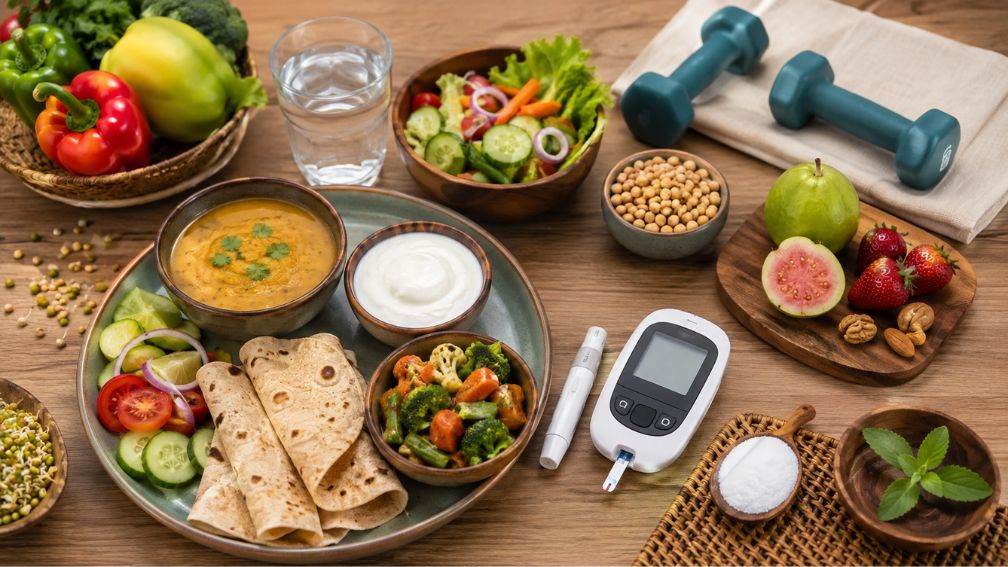
Living with diabetes does not mean you have to give up sweet flavours completely. A sugar-free lifestyle is mainly about reducing added sugar from daily habits like sweetened chai, desserts, and packaged snacks that add empty calories and can cause bigger swings.