


Loading...

Hidden sugar is usually not one big dessert. It is the small sweet additions that repeat through the day, often without you noticing. When those repeats stack up, excess sugar becomes easy to miss. Use the signs below to spot where sugar is slipping in, then make one measured change that you can actually stick to.
These signs help you spot repeated sugar sources in daily drinks, snacks, and packaged choices before they turn into a habit.
If you add sugar before you even taste, sweetness has become the default. One cup may not feel like much, but when it happens every day, and sometimes more than once, it quietly raises your intake.
What helps: Keep the taste, but measure it. A fixed quantity is easier to repeat than just a little more. If you use a spoon, use the same spoon. If you use a sweetener, keep the same amount each time.
A biscuit feels harmless because it is familiar. The issue is repetition. If it shows up with most evening teas, it is a reliable sign that sugar is part of your routine even when you are not thinking about it.
What helps: Make the snack intentional. Decide the portion first, then stop. When it is planned, it stays a choice instead of becoming background eating.
Packaged beverages, flavoured dairy drinks, and energy-style drinks can feel light, but sweetness often comes along for the ride. If you reach for them most days, you are likely taking in too much sugar without realising it.
What helps: Shift to drinks you control at home. If you want flavour, use lemon, cinnamon, ginger, or brewed coffee and tea without extra sweetening. If you do sweeten, do it in a measured way, not based on mood.
Desserts fit best when they are occasional. But if dessert follows lunch or dinner on many weekdays, too, sugar intake rises without a clear moment to blame. This is one of the quickest ways extra sugar becomes normal.
What helps: Pick your sweet days. Keep weekday portions smaller than festival portions, and avoid doubling up with a second sweet later in the day. One planned portion is easier to manage than several small bites.
When your palate is used to a sweet finish, even a proper meal can feel incomplete without that last bite. Over time, this becomes less about hunger and more about habit, and can push you into too much sugar without noticing.
What helps: Swap the habit, not the meal. Try a non-sweet finish like warm water, plain saunf, or a short walk. If you still want sweetness, plan it, portion it, and keep it occasional rather than automatic.
If breakfast, snacks, and on-the-go choices are mostly packaged, sugar can show up more often than expected. It is not only in the obvious sweet foods. It can be in sauces, flavoured yoghurts, breakfast cereals, bakery items, and healthy snack bars too.
What helps: Make whole foods your default on most days, then use packaged options for travel or busy stretches. When you buy packaged items, get used to checking labels for added sugars and sweeteners. Over time, you will spot patterns fast.
You might feel you are controlling portions, yet weight management still feels harder than it should. Or you may notice you need extra dental care. Frequent sugar intake can affect appetite control and oral health, especially when it is spread across the day in small doses.
What helps: Start with the repeated sugar moments first. Reducing one daily sugar habit often works better than cutting down your meals. Your meals may already be balanced, but the add-ons may not be.
Hidden sugar matters because it often comes from repetition. One teaspoon of sugar is about 4 grams and roughly 16 calories. That does not sound like much, but if sugar is added to tea, coffee, and routine snacks, it adds up quietly. Also, added sugars can raise blood glucose quickly, which is especially important to watch if you have diabetes or prediabetes.
Health guidance commonly recommends limiting free or added sugars to under 10 per cent of daily energy intake, and lower is often better. You do not need to calculate every calorie to benefit from this. You just need to notice where sugar shows up daily and reduce those repeats to avoid excess sugar.
Hidden sugar is not only about desserts. It often comes from repeated drinks, routine snacks, and packaged convenience foods. If you only cut sweets after dinner but keep sweetened tea, flavoured drinks, and daily biscuits, your total intake may not change much, and too much sugar can still remain in your routine.
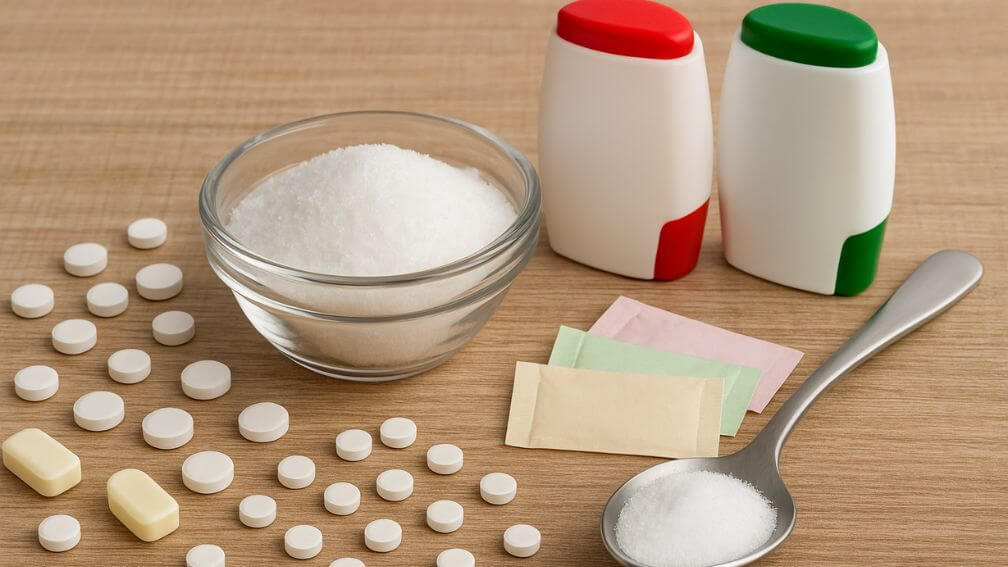
Cutting sweetness suddenly can feel hard to sustain. A steadier approach is to keep the taste you enjoy, but reduce added sugar with measured use. That could mean using less sugar, switching to a Sugar-Free Sweetener, or reserving sweetness for specific times instead of spreading it throughout the day.
The most important part is measurement. When sweetness is measured, you avoid the daily variation that happens when you sweeten to taste. That variation is where intake often creeps up.
If you sweeten mostly tea or coffee, use something you can measure daily, like tablets or drops. If you cook or bake, use a heat-stable option that tastes right to you. If you are reducing sugar, cut the spoon gradually and keep the same cup size so your taste adjusts.
Sugar-free chocolates, biscuits, and desserts can still add calories and may affect blood sugar. Keep portions fixed and treat them as planned servings.
Hidden sugar is easiest to spot when you look at repetition, not what you ate once. Start with the habits that happen daily, especially tea, coffee, routine snacks, and weekday desserts. When you keep sweetness measured and reduce added sugar steadily, you can lower excess sugar without making food feel restrictive.

After extra sweets or sugary drinks, you may feel heavy, tired, or unusually hungry. A short reset can help you reduce added sugar, cut empty calories, and return to steadier meals.
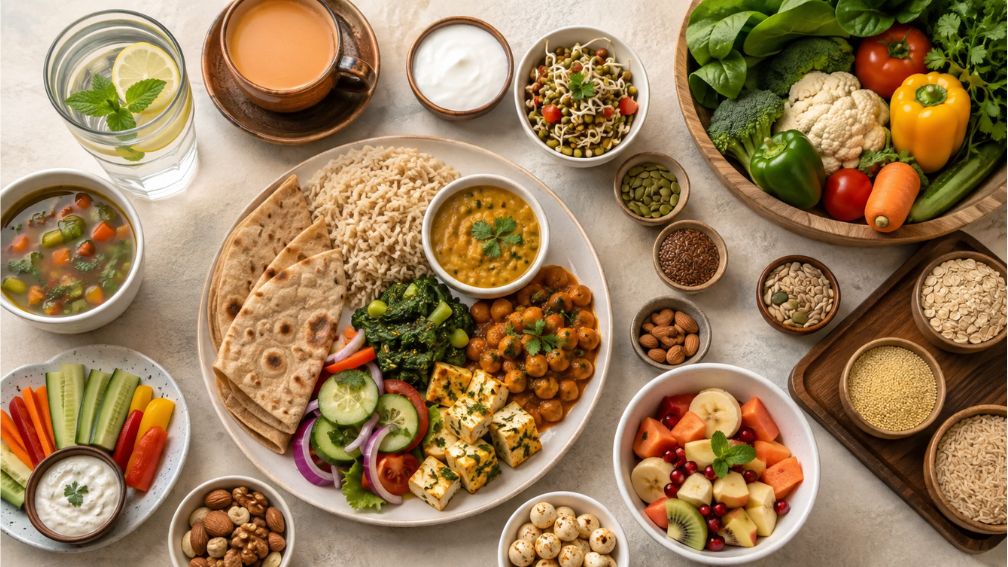
A 14-day reset helps you realistically reduce added sugar, without changing the core of your Indian meals. The main sources are usually sweetened chai or coffee, packaged drinks, biscuits, and frequent desserts that add empty calories.
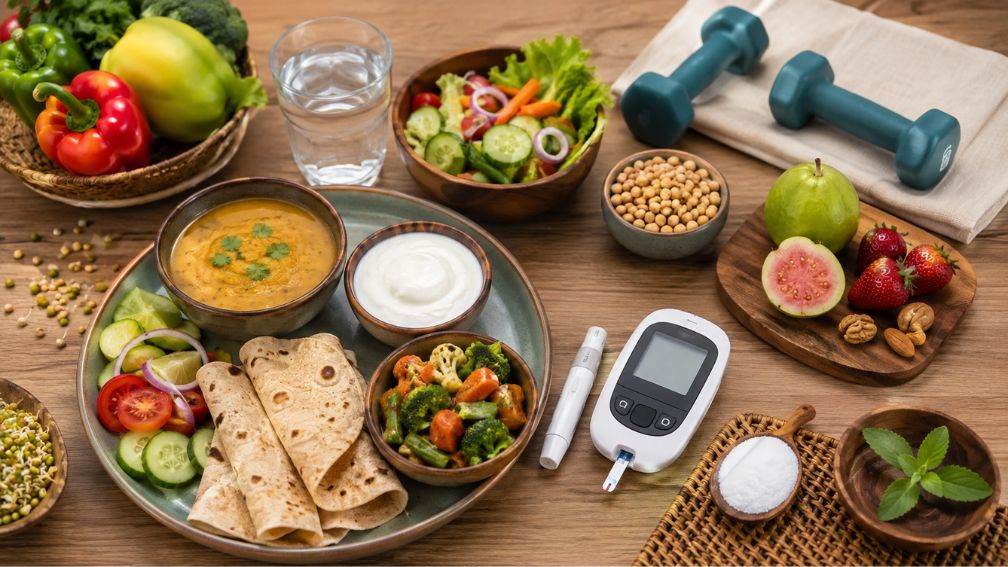
Living with diabetes does not mean you have to give up sweet flavours completely. A sugar-free lifestyle is mainly about reducing added sugar from daily habits like sweetened chai, desserts, and packaged snacks that add empty calories and can cause bigger swings.