Loading...
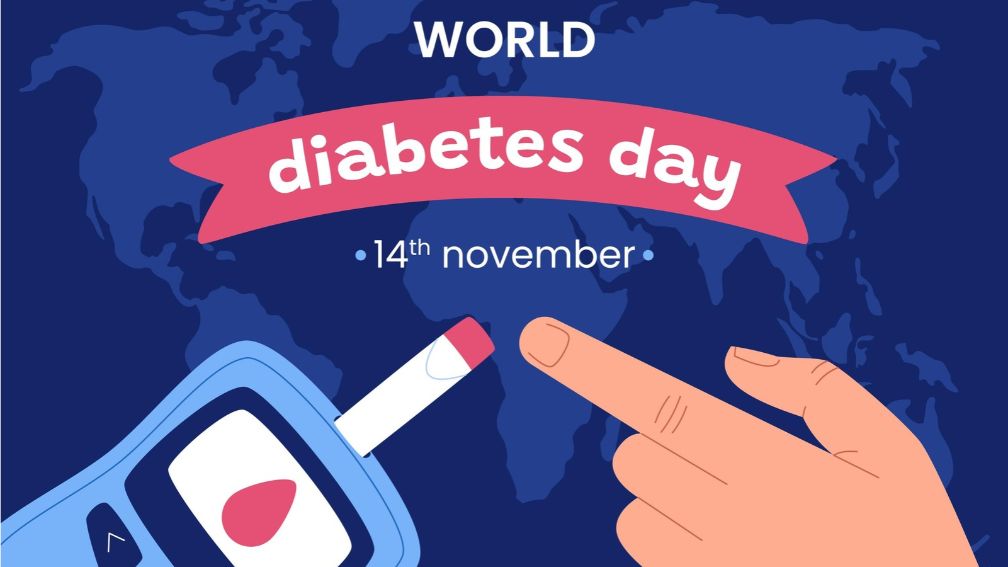
World Diabetes Day is observed every year to improve understanding of diabetes and the care it may require. It brings attention to awareness, timely health checks and everyday habits that can help people look after their health.
For Indian families, the day is also a reminder that managing sugar is not about one food or one sudden change. What you eat, how active you are, regular health checks and medical advice all matter. Small decisions made every day are often easier to continue than short-term changes.
World Diabetes Day is celebrated on 14 November every year. The date is observed worldwide and gives individuals, healthcare professionals and communities a common opportunity to talk about diabetes. The day can be used to learn about possible risk factors, recognise symptoms and understand why timely testing matters.
For someone with a family history of diabetes, it may also be a useful reminder to discuss screening with a doctor. In that sense, the message to “check your sugar before it is too late” is about paying attention to possible risks early and taking the right next step when needed. Awareness becomes more meaningful when it leads to timely action rather than remaining limited to one day.
The date has a historical connection. Sir Frederick Banting was born on 14 November and played an important role in the discovery of insulin with Charles Best. World Diabetes Day was introduced in 1991 by the International Diabetes Federation with support from the World Health Organisation.
It was later recognised as an official United Nations day. This is why 14 November continues to hold importance. It connects a major development in diabetes care with a wider need for awareness, screening and informed day-to-day health decisions.
World Diabetes Day is marked on 14 November across many countries, although activities can differ. In India, hospitals, workplaces, schools and community groups may organise health talks, blood glucose screening programmes or awareness sessions. The focus is often practical. People may learn about food choices, physical activity, symptoms, family history and regular health checks.
World Diabetes Day keeps attention on diabetes throughout a person’s daily routine, rather than treating health awareness as a once-a-year activity.
Useful habits can include:
Managing sugar also does not mean that sweetness has to disappear completely. If you are trying to cut down added sugar, you can use Sugar Free Gold+ in suitable foods or beverages. It is one practical food choice, not a replacement for a balanced diet, medicines, monitoring or medical treatment.
World Diabetes Day is mainly centred on awareness and action. Health organisations may conduct screenings, educational programmes and discussions around diabetes risk and care. Individuals can also use the day more personally. You might check when you last had a recommended health test, discuss your family history with a doctor or notice where excess added sugar regularly enters your diet.
Everyday changes can start with familiar foods. For instance, if you want to reduce added sugar in home-prepared dishes, you can use Sugar Free Natura where suitable. The Sugar Free recipe collection also includes options such as Oat Milk Rice Pudding made using Sugar Free Natura. It is to understanding where manageable changes can fit naturally into your existing routine.
World Diabetes Day may be marked on one date, but diabetes awareness matters throughout the year. Regular health checks, balanced meals, physical activity, suitable portions and medical guidance continue to be important after 14 November.
Everyday food choices can also be reviewed in small ways. Someone trying to reduce added sugar in selected drinks may consider a stevia-based option such as Sugar Free Green. If you prefer a stevia-based sweetener, you can use Sugar Free Green in selected drinks and try our Sugar Free Hot Chocolate.
The wider message is to understand your risk, pay attention to your health and make practical choices that can continue beyond World Diabetes Day. Reducing added sugar may be one step, while diet, activity, medicines, monitoring and professional medical care remain equally important.


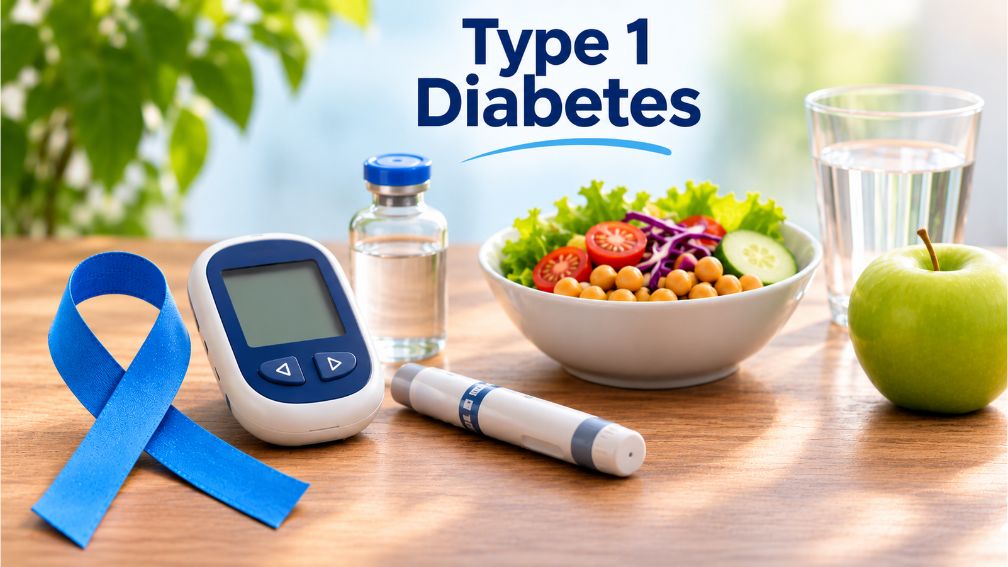
Type 1 diabetes can begin with changes that seem ordinary. A child may drink more water, someone may feel unusually tired, or weight may drop without a clear reason.

Most of us know diabetes is linked to blood sugar, but the condition involves more than one high reading. The body gets glucose from food and uses it for energy, while insulin helps move glucose into the cells.
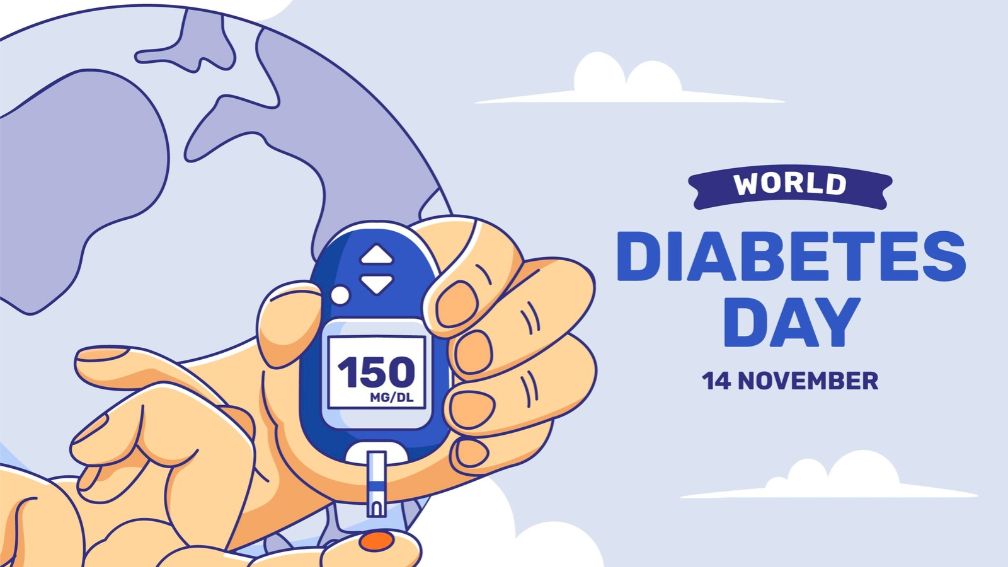
World Diabetes Day is a good time to look at diabetes in a practical way. In India, food, tea breaks and family meals are part of everyday life, so health awareness needs to fit into these routines too.