


Loading...

After extra sweets or sugary drinks, you may feel heavy, tired, or unusually hungry. A short reset can help you reduce added sugar, cut empty calories, and return to steadier meals. This guide explains what a sugar detox means, the common signs you have had too much sugar, and quick steps you can take today. You will also get a simple food list, smart sweetening swaps, and a realistic timeline so you know what to expect.
The sugar detox meaning is simple, you pause added sugar for a short time and return to meals that keep you satisfied. It is not a cleanse, and it does not mean skipping food. The idea is to cut common sugar sources such as sweet drinks and routine desserts, then rebuild your day around vegetables, protein, fibre, and measured carbs. Done well, this reset can calm cravings and make portion control feel more natural.
One treat is not a problem. The issue is repetition. A reset helps if you often notice:
Added sugar gives quick energy, but can leave you hungry again sooner. Sweet drinks are the biggest trap because they add calories without fullness. A reset aims for fewer swings and a steadier appetite. Better sleep often follows when evenings stay lighter.
If you are thinking, I ate too much sugar, how to detox, keep it simple:
When people search for how to detox sugar in the body, the best answer is routine. Build filling meals:
For daily habits like chai or home desserts, a low-calorie sweetener can help reduce added sugar consumption and empty calories. Non-caloric or non-nutritive sweeteners include sucralose and steviol glycosides from the stevia plant. Steviol glycosides are mainly for tabletop sweetening.
Sucralose is heat-stable for cooking and baking and about 600 times sweeter than sugar, so only small amounts are needed. It has been scientifically studied and analysed by JECFA and EFSA to ensure its safety. Always follow the acceptable daily intake guidance on packs.
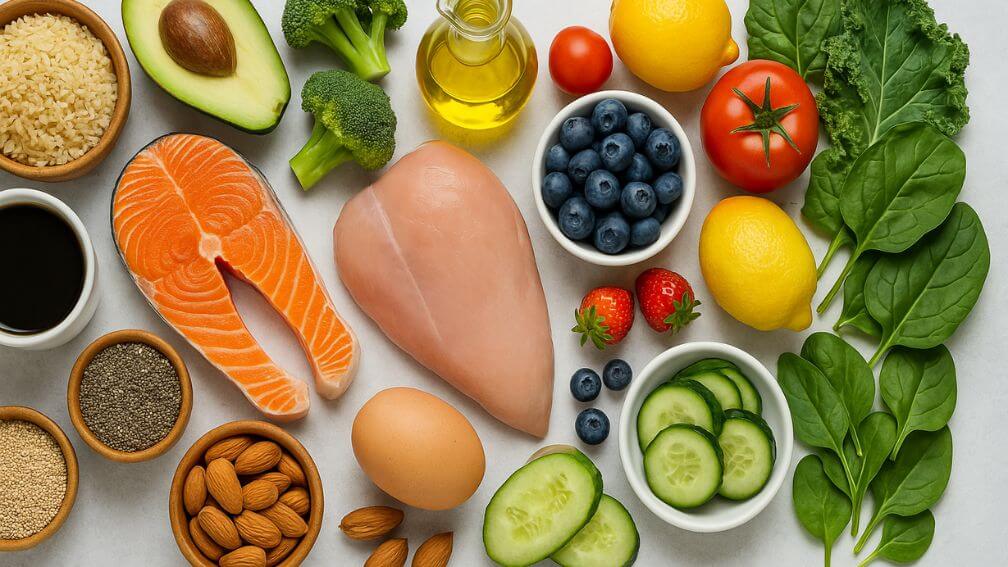
Use this sugar detox food list to keep decisions easy. Choose mostly whole foods and keep portions sensible.
Choose whole, filling foods that keep cravings low and energy steady.
Avoid sweet drinks and packaged snacks first, because they add the most hidden sugar quickly.
Click here to check the Indian Diet Chart for Diabetic Patients
People search for sugar detox benefits because they want changes they can feel. Common wins include:
These myths can derail progress.
The first 2 to 3 days can feel tough if sweet drinks are consumed daily. By days 4 to 7, cravings soften. By week two, the routine feels normal, and treats become easier to keep occasional.
If you have diabetes and use insulin or glucose-lowering medicines, are pregnant or breastfeeding, or have kidney or heart issues, avoid sudden changes without medical advice. If you have a history of disordered eating, choose gentle swaps instead of strict rules.
A sugar detox is best seen as a reset of habits, not a punishment. Keep it simple. Hydrate, return to balanced Indian meals, and cut sweet drinks and routine desserts for a while. Add protein, plan snacks, and walk after meals when you can. When you bring treats back, keep them planned and portioned.
You can feel better in a day, but a real reset takes longer.
Yes, whole fruit in moderation is usually fine. Skip juices during the reset.
Some people do well with early hydration, and regular meals help.
Honey is still an added sugar, so avoid it during the reset.


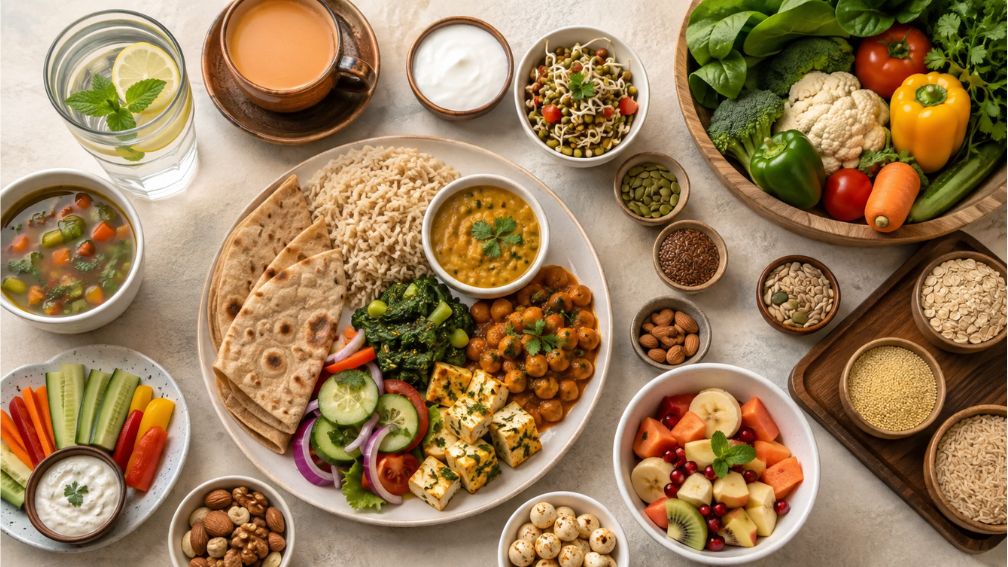
A 14-day reset helps you realistically reduce added sugar, without changing the core of your Indian meals. The main sources are usually sweetened chai or coffee, packaged drinks, biscuits, and frequent desserts that add empty calories.
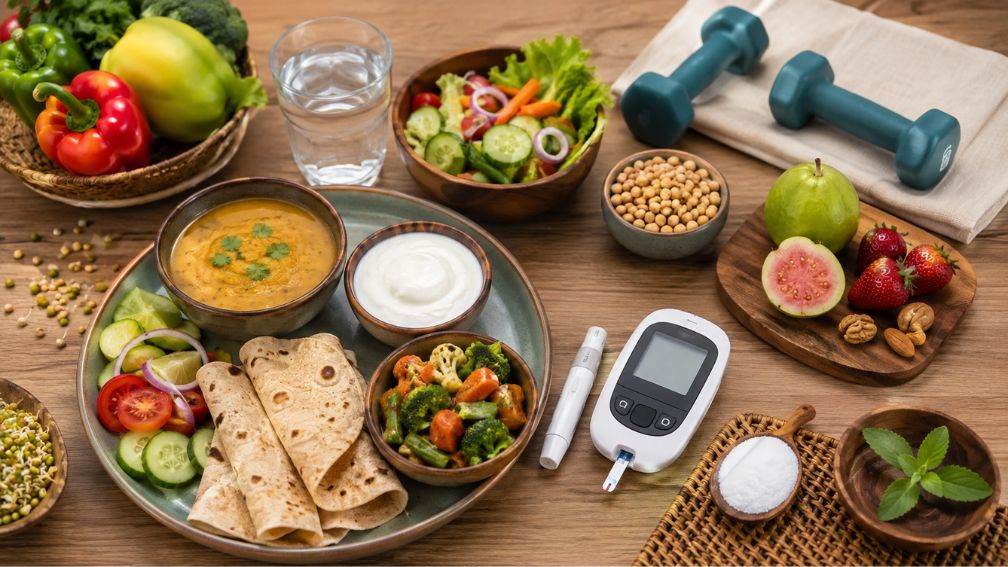
Living with diabetes does not mean you have to give up sweet flavours completely. A sugar-free lifestyle is mainly about reducing added sugar from daily habits like sweetened chai, desserts, and packaged snacks that add empty calories and can cause bigger swings.
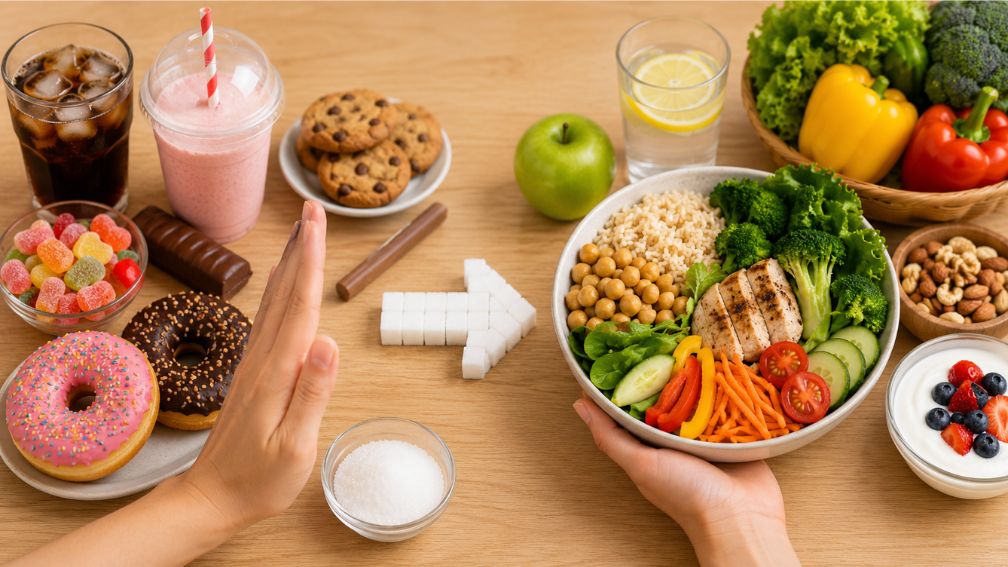
Added sugar can creep into your day through sweetened chai or coffee, packaged drinks, biscuits, and frequent desserts, adding empty calories without real fullness. Cutting back does not mean changing your entire Indian diet.