


Loading...
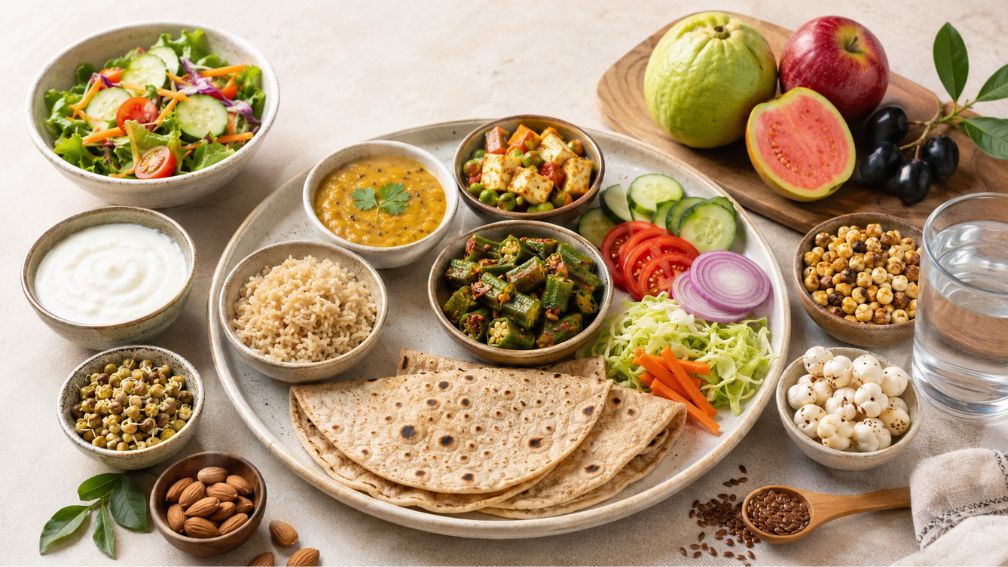
Diabetes management depends heavily on what and when you eat. A well-planned diabetic diet food chart helps you control portions, spread carbohydrates across the day, and cut down added sugar to avoid empty calories. You do not need complicated diets.
A diabetic food chart Indian style, can still include dal, sabzi, roti, rice, fruits, and dairy, but in smarter quantities and combinations. When you balance carbs with protein, fibre, and healthy fats, your meals support steadier glucose readings and better daily energy.
Diabetes means blood glucose stays higher than normal because insulin is not enough, does not work well, or both. Carbohydrates become glucose, so meal size, timing, and quality show up in your readings quickly. The aim is steady meals with more fibre and fewer empty calories from added sugar.
Prioritise vegetables, dal, protein, and whole grains at every meal. Aim for higher fibre choices like leafy greens, beans, and millets. Add a clear protein portion for fullness and steadier energy, and keep oils, ghee, nuts, and seeds carefully measured.
Follow simple Indian meal habits that keep your glucose steadier: choose low GI carbs, balance them with protein and fibre, and stick to consistent portions and timings.
Use this food chart for diabetic patients for everyday choices. For portions, the diabetic diet food chart plate method is a simple start.
Food group |
Better Indian options |
Portion cue |
| Carbohydrates | phulka, jowar roti, oats, daliya, brown rice | 1–2 small rotis OR ½ katori rice |
| Proteins for Diabetic Patients | dal, chana, rajma, eggs, fish, tofu | 1 katori dal OR palm-sized portion |
| Vegetables (Low GI Indian Options) | lauki, bhindi, beans, spinach, salad | half the plate |
| Fruits Allowed for Diabetics | guava, apple, orange, papaya, jamun | 1 fruit, no juice |
| Healthy Fats | mustard oil, groundnut oil, nuts, seeds | 1–2 tsp oil, small handful nuts |
Limit sugar-sweetened drinks, sweets, biscuits, cakes, and big portions of refined flour foods. Fried snacks and creamy gravies add calories fast. Also, watch packaged items with hidden sugar or starch.
Click Here to check Which Foods to Avoid for Diabetes Patients?
This sample type 2 food chart for a diabetic patient is a starting point. If you use insulin, a type 1 diabetes food chart usually needs carb counting and dose matching.
Time |
Meal |
Example |
| Morning | Breakfast | upma OR moong chilla + curd |
| Late morning | Mid meal | fruit + nuts |
| Afternoon | Lunch | 2 phulkas + dal + sabzi + salad |
| Evening | Snack | chaas OR roasted chana |
| Night | Dinner | 1–2 rotis OR ½ katori rice + protein + veg |
Disclaimer: This table is a sample reference created for general information only. It is not taken from a single verified medical source. Diet needs can differ from person to person, so medical advice should be taken before following any meal plan.
Use a 9-inch plate: half vegetables, one-quarter protein, one-quarter grains. Try not to combine rice and roti in one meal. Eat at regular times and keep dinner earlier and lighter. Check post-meal readings to fine-tune portions.
Use this rotation and swap similar dishes.
Day |
Breakfast |
Lunch |
Dinner |
| Monday | oats | roti + dal | khichdi |
| Tuesday | poha | rice (½) + rajma | roti + paneer |
| Wednesday | idli | roti + chana | tofu or fish |
| Thursday | chilla | millet roti + dal | soup + roti |
| Friday | daliya | roti + egg curry | rice (½) + kadhi |
| Saturday | sprouts | roti + moong dal | grilled protein |
| Sunday | dosa | veg thali | light dal |
Disclaimer: This table is a sample meal chart created for general information only and is not taken from a single published source. Please consult a doctor or dietitian before following any diet plan.
Choose filling snacks: roasted chana, roasted makhana, peanuts, curd with cucumber, boiled eggs, or sprouts chaat. For chai, a low-calorie tabletop sweetener can help you cut down added sugar. Sucralose is about 600 times sweeter than sugar and is heat-stable; JECFA and EFSA have reviewed it.
Some options add chromium trivalent, a mineral known to support maintenance of normal blood glucose levels and macronutrient metabolism. For an occasional treat, Sugar Free highlights no-added-sugar dark chocolate sweetened with plant-sourced maltitol as a mindful swap.
Click Here to check 15 Best Foods for Diabetic Patients
Skipping breakfast, taking very large rice portions, drinking fruit juice, and saving weekends for sweets are common. Many people also undereat protein, then snack on refined carbs later. Always check labels before buying packaged diabetic foods.
Also, avoid long gaps between meals, late-night heavy dinners, and mindless tea-time munching. These habits can disturb meal timing and push cravings higher.
Click Here to check How to Control Diabetes?
Keep your meals simple and regular: measure portions, prioritise fibre and protein, and avoid added sugar most days.
A food chart for a diabetic patient works best when it is Indian, repeatable, and easy to follow. Fill half your plate with vegetables at meals, add protein, keep grains measured, and reduce added sugar to avoid empty calories. Also, drink enough water, walk after meals, and track your portions for a week. Small, steady changes usually feel easier to sustain and support better day-to-day readings.
Yes, rice can fit into a diabetes meal plan, but portion size matters. Keep the serving modest and pair it with dal, protein, and non-starchy vegetables to slow the blood sugar rise.
There is no single “best” fruit, but guava is a good choice because the whole fruit with fibre is better than juice. Jamun can also be included, as long as portions stay moderate.
There is no fixed number for everyone. Many people can include 1 to 2 small rotis in a meal, depending on their blood sugar goals, activity, medicines, and what else they eat with it.
Yes, plain unsweetened milk can be included in moderation. It is better to avoid sweetened milk drinks and keep an eye on portion size.
Yes, millets can be a good grain option, but they still contain carbs. Eat measured portions and balance them with protein and vegetables.
Yes, whole wheat chapati is generally fine in controlled portions. It works best when eaten with dal, sabzi, and another protein-rich food.


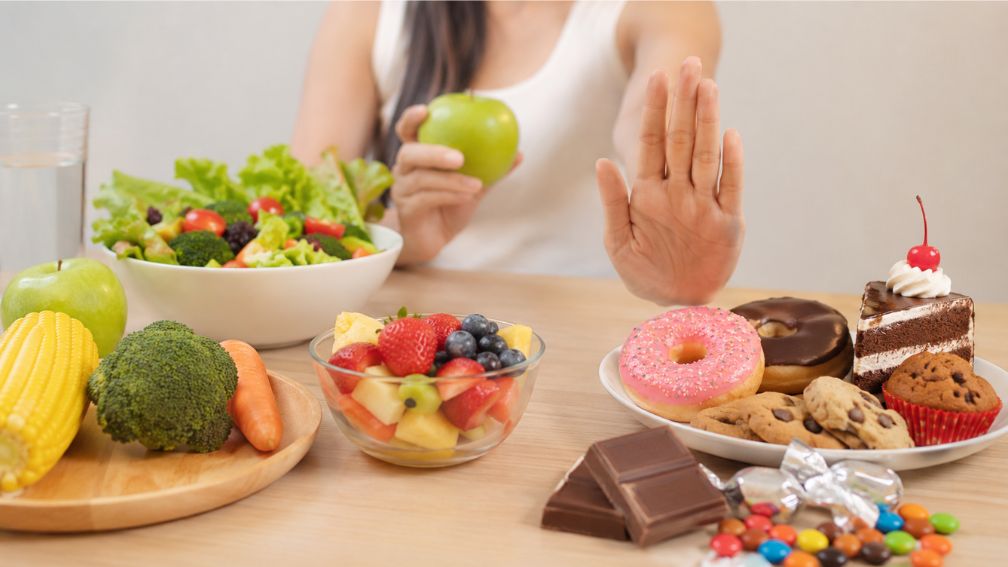
After extra sweets or sugary drinks, you may feel heavy, tired, or unusually hungry. A short reset can help you reduce added sugar, cut empty calories, and return to steadier meals.
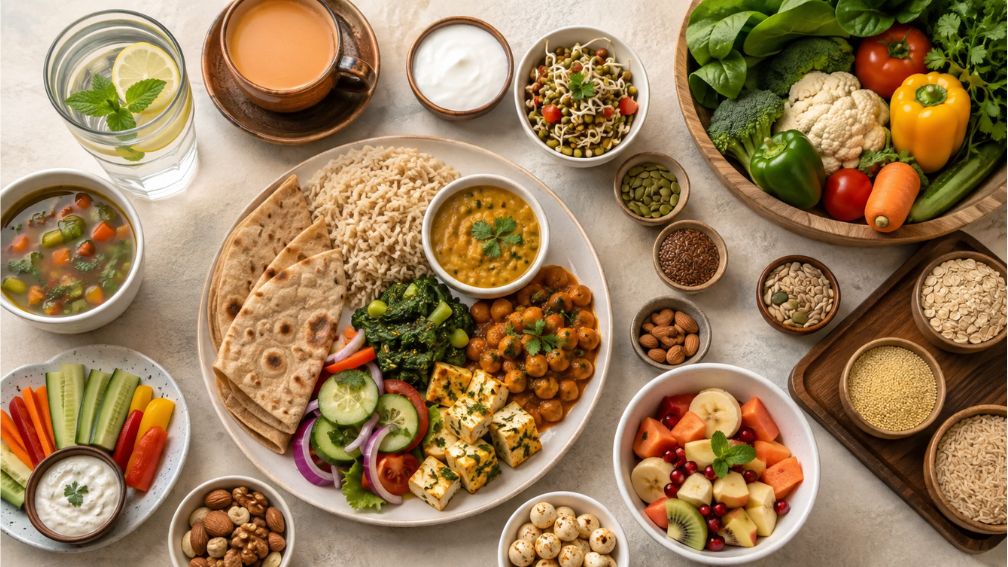
A 14-day reset helps you realistically reduce added sugar, without changing the core of your Indian meals. The main sources are usually sweetened chai or coffee, packaged drinks, biscuits, and frequent desserts that add empty calories.
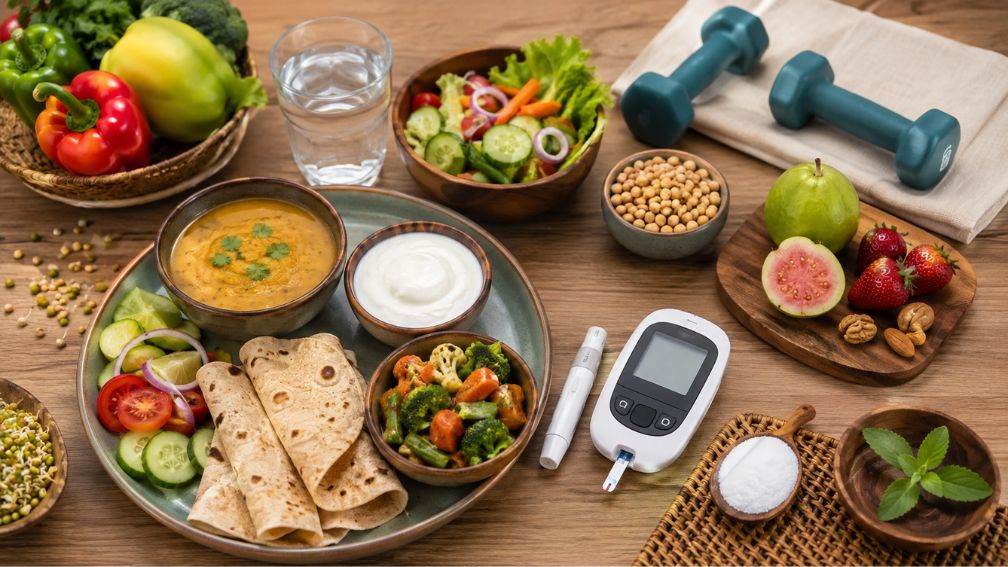
Living with diabetes does not mean you have to give up sweet flavours completely. A sugar-free lifestyle is mainly about reducing added sugar from daily habits like sweetened chai, desserts, and packaged snacks that add empty calories and can cause bigger swings.