

Chat now close button
Facebook you tube instagram

Loading...

Why a Sugar Free Diet Helps Reduce Belly Fat

Sugar-Free vs Sugar Choices for Health

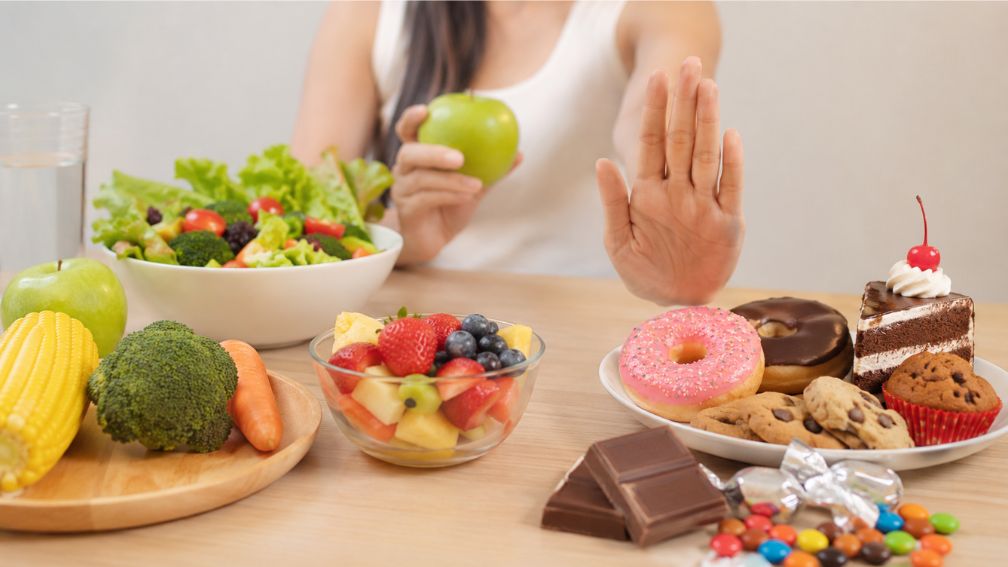
A sugar free diet is mainly about reducing added sugar consumption in the things you repeat daily, like tea, coffee, desserts, and packaged foods. Cutting these frequent sugar additions helps reduce empty calories from sugar and makes your routine easier to manage, which can support your belly fat and weight goals over time.

Why Added Sugar Can Affect Belly Fat Goals

Added sugar adds quick, repeatable calories that often do not keep you full, so it can quietly slow belly fat loss over time.

  • Belly fat often builds when daily calories stay slightly higher than you realise. Added sugar makes this easier because it is quick to consume, easy to repeat, and often does not reduce hunger later.
  • One teaspoon of sugar has roughly 16 to 20 calories. One spoon in morning chai plus one in evening tea adds up over the week, even before biscuits, sweets, desserts, and sweetened drinks.
  • Liquid sugar is a common issue. Sweetened tea, coffee, juices, and packaged beverages add calories without the fullness of a meal, so people usually do not eat less later to compensate.
  • Added sugar can strengthen sweet taste expectations, so you start wanting a sweet finish after meals, which increases how often you consume it.
  • Hidden sugar adds up because sweetness can appear in foods you do not treat as desserts, like packaged beverages, flavoured dairy, sauces, and snack foods.
  • When these items become daily, sugar calories rise quietly, but satisfaction does not rise in the same way.

What This Reduced Sugar Approach Should Mean at Home

Focus on cutting added sugar from daily repeats, and keep sweetness measured when you choose to include it.

  • A sugar-free diet does not mean you can never eat sweets. It means you reduce added sugar in the items you repeat most and keep sweetness measured when you do want it.
  • Start with beverages: fix your cup size and stop sweetening to taste. Use a fixed amount and keep it consistent.
  • Make desserts planned, not automatic: if dessert is daily, reduce frequency first, then reduce the portion.
  • Limit packaged foods and drinks that add sweetness quietly, especially if they show up most days.
  • To spot your biggest sugar sources, track your sweet moments for 3 days (not meals).
  • Examples of sweet moments: morning chai, mid-morning biscuit, dessert after lunch, evening tea, late-night bite.
  • Fix the top two repeats first and stay consistent.

Common Places Where Added Sugar Sneaks Into Indian Routines

Sources of added sugar in India

These are the everyday spots where sugar adds up fastest, often without you noticing.

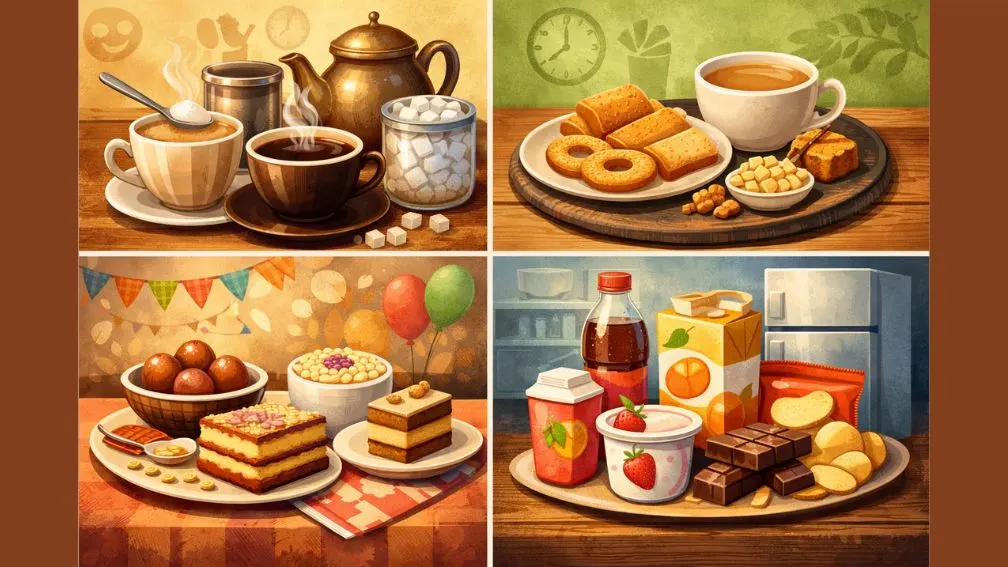
  • Drinks You Make on Autopilot

Chai and coffee repeat through the day. If you drink multiple cups, even half a teaspoon each time adds up. The simplest fix is measured sweetening in the same cup every time.

  • Tea-Time Snacks That Become Daily

Biscuits, rusk, and bakery snacks can turn into a daily pairing with tea. The issue is frequency. If you keep tea, keep the snack intentional and portioned, not automatic.

  • Desserts That Shift From Occasion to Default

Sweets are part of celebration and family time, but weekday dessert habits raise sugar and calories quickly. Keep sweet items for planned days and choose a smaller portion on regular days.

  • Packaged Picks That Feel Convenient

Packaged drinks and flavoured dairy often carry added sugar. If they show up often, cutting them can make a noticeable difference without changing your main meals.

Keep Sweetness, Reduce Added Sugar With Measured Use

Quitting sweetness overnight often backfires and increases cravings. A better approach is to keep the taste, but cut added sugar using low-calorie sweeteners in tea, coffee, and home recipes. The key is measurement. Use a fixed quantity daily and avoid increasing it just because it is sugar-free. Once your taste stabilises, you can reduce sweetness gradually.

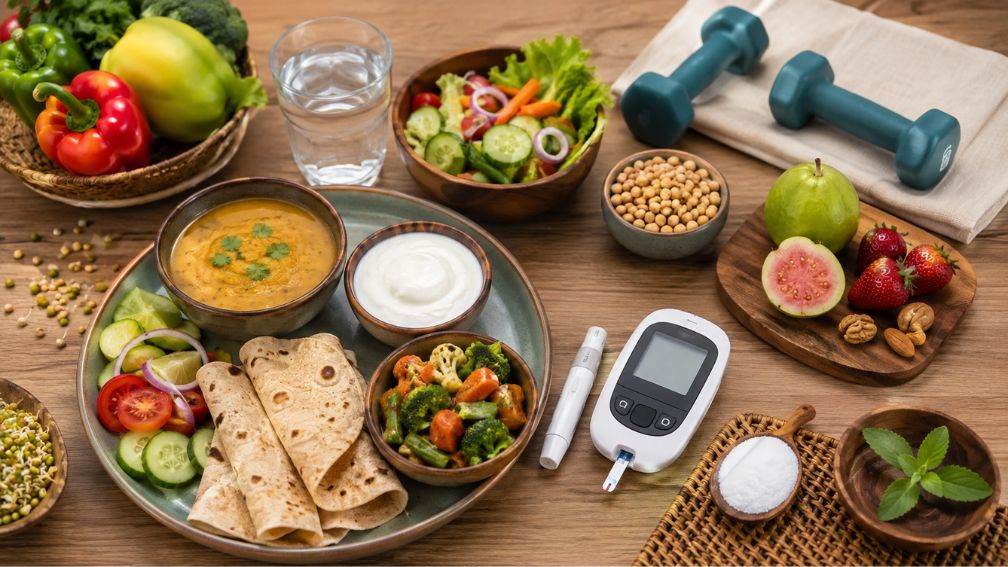
Cutting sugar works best when it lowers total calories and improves routine, so keep meals balanced with vegetables and protein. If you use Sugar Free for convenience, remember sugar-free is not portion-free. Desserts and chocolates still need planned servings.

Choose a Sugar Free Option That Fits Your Daily Use

If you decide to use Sugar Free, choose the format based on your routine.

  • For daily beverages, tablets or pellets are convenient because they keep sweetening consistent, for example Sugar Free Gold+.
  • For cooking and baking, use a recipe-friendly option, for example Sugar Free Natura.
  • For tabletop plant-sourced sweetness, some people prefer stevia-based options, for example Sugar Free Green.
  • For chocolate cravings, sugar-free chocolate such as Sugar Free D’lite works best when you keep it portioned, such as one or two small squares.

A Simple First-Week Switch You Can Maintain

Start small, stay consistent for seven days, and focus on the two sugar habits you repeat most.

  • Keep your chai or coffee, but change only the sweetening. Use the same cup size and a measured amount each time.
  • Pick one sweet moment a day, not two. If you usually have biscuits with tea and dessert after dinner, choose one for the week.
  • Reduce packaged sweet drinks for seven days. Replace them with water, plain chaas, unsweetened coffee, or plain tea.
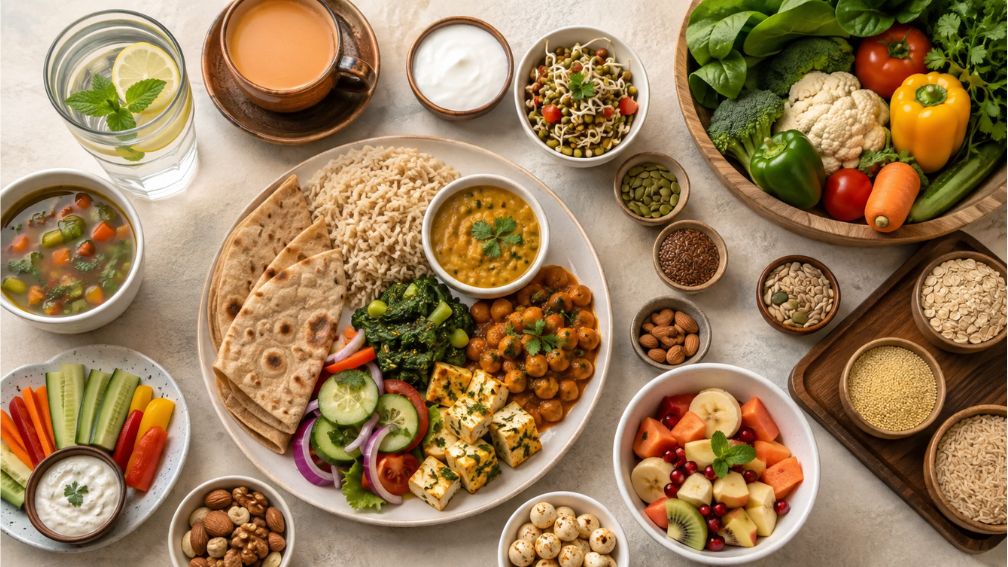
  • Build meals around vegetables and protein so cravings reduce.
  • After seven days, keep what felt easiest and adjust one more habit, such as reducing biscuit frequency or keeping dessert only on weekends.

Conclusion

Belly fat is influenced by overall calories, routine, and consistency. A sugar free diet helps by cutting empty calories from added sugar that hides in repeated drinks, snacks, and desserts. Start with the habits you repeat daily, keep sweetness measured, and focus on changes you can repeat week after week. Track your drinks and snacks for a few days, adjust one habit at a time, and keep portions steady for better results.
Related Products

Related Articles

The Ultimate Guide to Sugar-Free Foods: What to Eat and What to Avoid

27th February 2026

A sugar free diet is mainly about reducing added sugar consumption in the things you repeat daily, like tea, coffee, desserts, and packaged foods

Latest Articles

Quitting sugar benefits for skin

Does Switching to Sugar-Free Improve Skin Health?

February 26, 2026

Switching to sugar-free habits mainly means reducing added sugar that sneaks into beverages, desserts, and packaged foods. When you cut repeated sugar moments, you reduce excess sugar intake and make your routine more consistent.

Strategies to curb sugar cravings

How to Stop Sugar Addiction Using Healthy Sweeteners

February 25, 2026

Sugar cravings are rarely about weak willpower. In most cases, they build up through routine.

Managing energy with Sugar Free choices

How Sugar Free Foods Help Manage Energy Levels Daily

February 24, 2026

Daily energy feels easier to manage when added sugar is not part of every routine. Choosing sugar free foods more often can help reduce sugar calories while still allowing sweetness in your day.