


Loading...
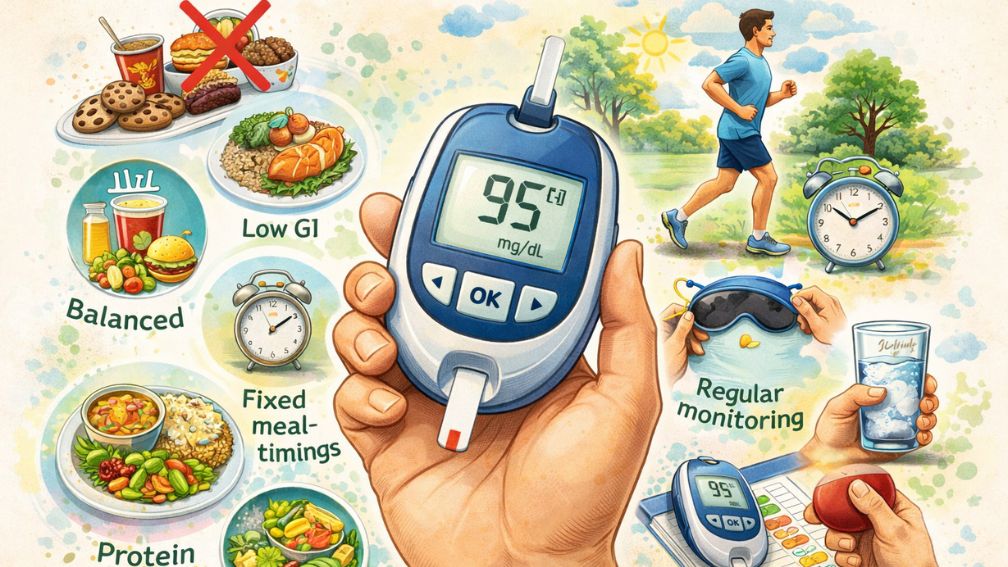
Keeping your blood sugar level in range needs daily consistency, not occasional effort. Food choices, portion size, movement, sleep, stress, and hydration can all affect your readings. If you are wondering how to control blood sugar level, focus on repeatable basics: low GI meals, balanced plates with protein and fibre, fixed meal timings, and regular home monitoring.
This guide also explains common causes of high readings and simple sweetening swaps that help you cut added sugar and empty calories.
Frequent highs can, over time, harm the eyes, kidneys, nerves, and heart. More stable readings also mean steadier energy and fewer cravings. The aim is progress: fewer spikes and fewer long, high hours. It also supports better mood, improved sleep quality, and safer workout recovery. When your numbers stay closer to target, your doctor can fine-tune treatment more confidently.
Click Here to check what normal blood sugar levels look like
Fasting glucose, 2-hour glucose, and HbA1c are commonly used to diagnose diabetes and track risk. Fasting reflects overnight control, post-meal reflects meal impact, and HbA1c reflects the average over around 2 to 3 months.
This chart gives a quick, easy reference for typical fasting, post-meal, and HbA1c ranges so you can understand where your readings usually fall.
After an 8-hour fast.
1 to 2 hours after you start eating.
Average glucose estimate.
Test |
Normal |
Prediabetes or higher risk |
Diabetes range |
| Fasting plasma glucose | 70–99 mg/dL | 100–125 mg/dL | 126 mg/dL or higher |
| 2-hour glucose (OGTT) | under 140 mg/dL | 140–199 mg/dL | 200 mg/dL or higher |
| HbA1c | under 5.7% | 5.7–6.4% | 6.5% or higher |
Common triggers include oversized rice or roti portions, sweets and sugary drinks, missed medicines, illness, dehydration, stress, poor sleep, and low activity.
Here are the ways:
Small, steady lifestyle changes can improve your blood sugar level by reducing spikes and helping your body use glucose more efficiently.
Choose dal, chana, rajma, vegetables, curd, and whole grains in sensible portions. Keep one main starch per meal and include protein. To cut added sugar consumption and empty calories, you can use a low-calorie sweetener when needed.
Non-caloric or non-nutritive sweeteners include steviol glycosides for tabletop use and sucralose, which is heat-stable and about 600 times sweeter than sugar. Sucralose has been scientifically studied and analysed by JECFA and EFSA to ensure its safety.
Walking, cycling, yoga, and strength work help muscles use glucose and improve insulin sensitivity.
Stress can raise readings and trigger cravings. Keep one calming habit ready. Even 10 minutes of deep breathing, or a short walk after a tense moment, can help bring your mind and cravings back under control.
Aim for regular timings and avoid heavy dinners close to bedtime, especially if your post-dinner readings tend to rise.
Prefer water and unsweetened drinks, and keep juices for rare occasions, especially if you notice post-meal spikes after liquids.
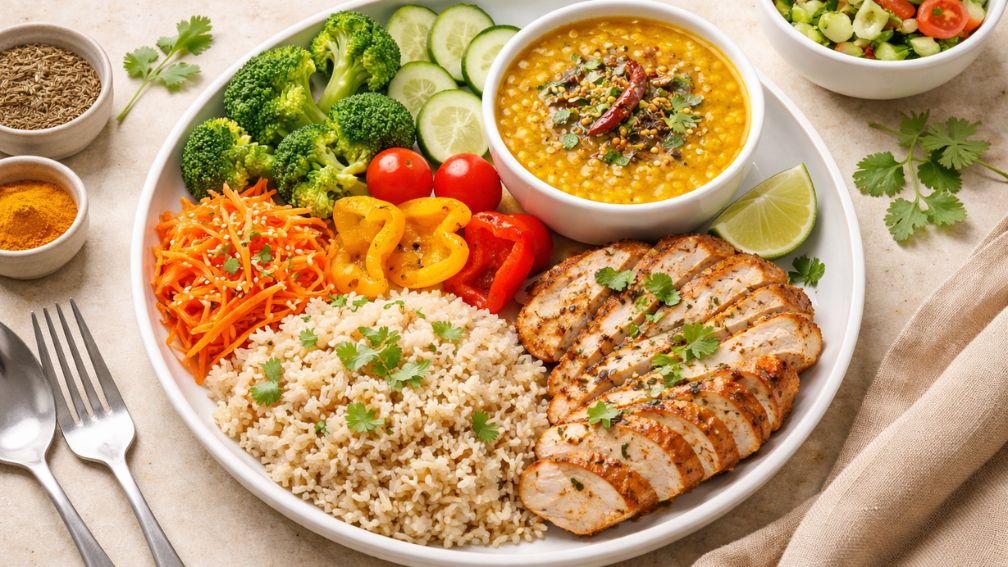
Keep the plate simple:
If you bake, a sucralose-based sweetener can be convenient because it stays stable with heat.
Click here to check 8 Sugar Free Foods for Diabetics
Limit sugary drinks, fruit juice, sweets, bakery items, biscuits, and very large plates of white rice. Reduce deep-fried snacks and packaged foods with hidden added sugar.
Click Here to check foods to avoid for diabetes patients
Home checks help you connect food and habits to your blood sugar level.
Start with fasting and 1 to 2 hours after your largest meal, then add checks during illness, travel, or medicine changes.
Use the targets your doctor sets, and keep a short log so patterns are clear.
Keep meal timings steady, make dinner lighter, and plan protein snacks so you are not pushed towards refined carbs. Carry nuts or roasted chana during long commutes.
Here are the common mistakes:
Better control comes from routines: measured carbs, more fibre and protein, daily movement, good sleep, and steady hydration. Monitor to learn triggers and reduce added sugar consumption to cut empty calories.
Drink water, walk if safe, and follow your correction plan.
Thirst, frequent urination, tiredness, blurred vision, and headache.
Follow your obstetrician’s plan and monitor as advised.
Some early type 2 cases improve with lifestyle changes, but do not stop medicines without medical advice.
Non-starchy vegetables, dal, a protein like curd or paneer, and measured whole grains.


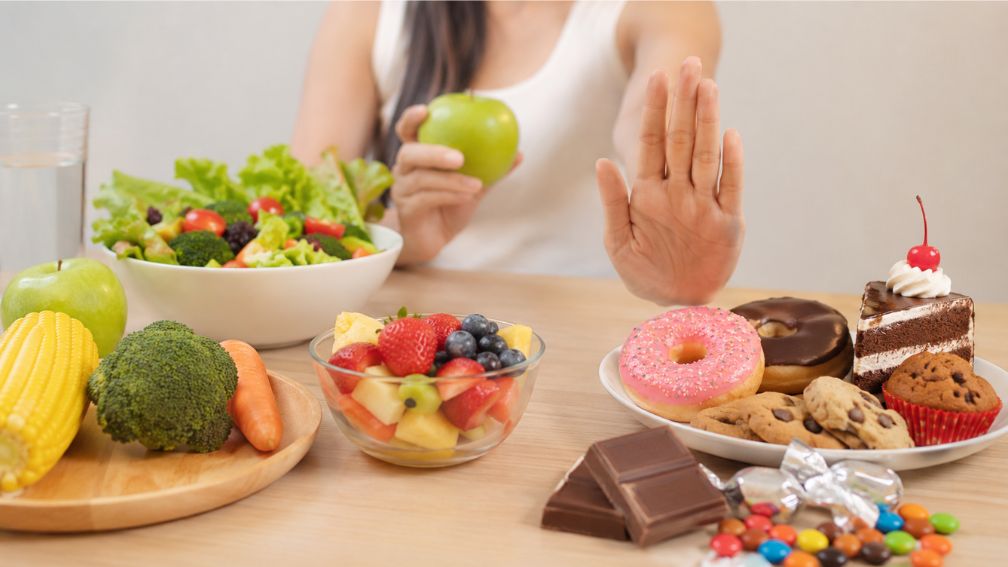
After extra sweets or sugary drinks, you may feel heavy, tired, or unusually hungry. A short reset can help you reduce added sugar, cut empty calories, and return to steadier meals.
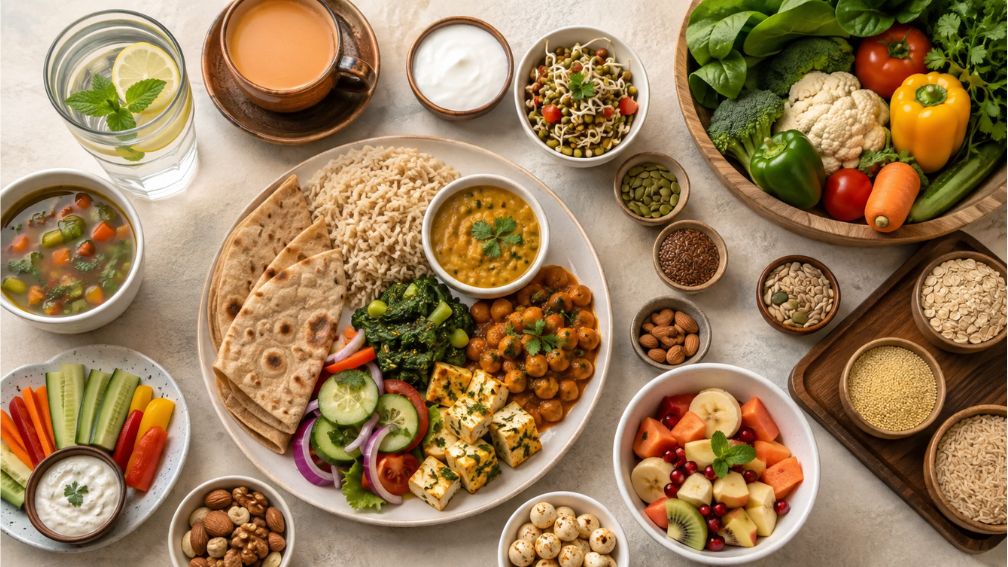
A 14-day reset helps you realistically reduce added sugar, without changing the core of your Indian meals. The main sources are usually sweetened chai or coffee, packaged drinks, biscuits, and frequent desserts that add empty calories.
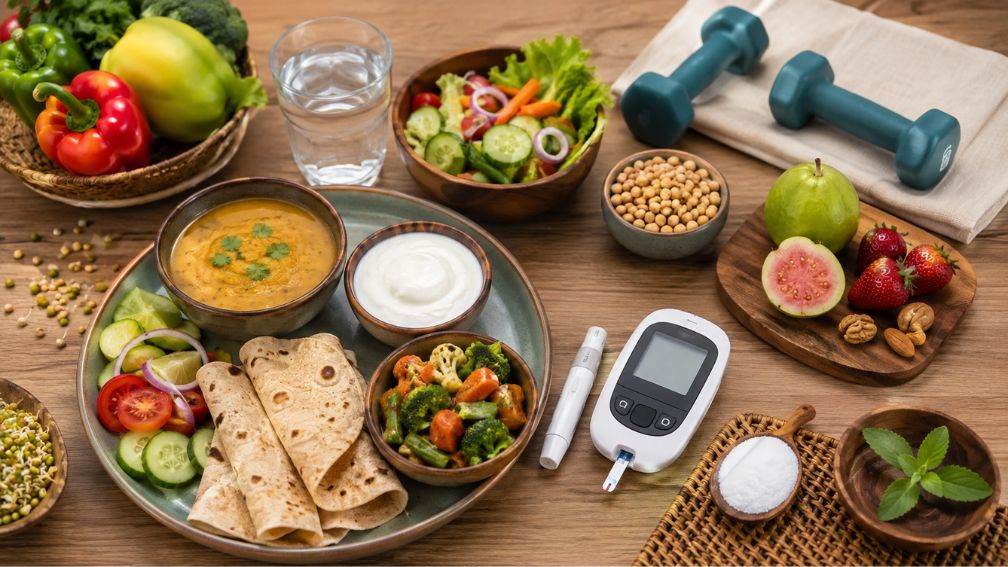
Living with diabetes does not mean you have to give up sweet flavours completely. A sugar-free lifestyle is mainly about reducing added sugar from daily habits like sweetened chai, desserts, and packaged snacks that add empty calories and can cause bigger swings.