



Loading...
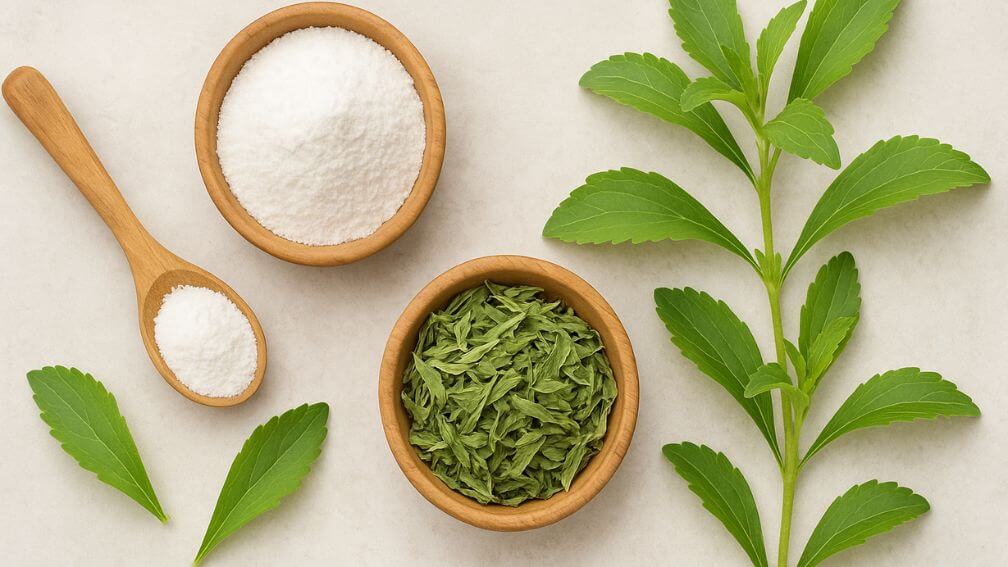
Stevia, a natural sweetener gaining popularity worldwide, offers a healthier alternative to traditional sugar. Understanding its benefits and diverse uses is essential for anyone looking to embrace a more balanced and health-conscious lifestyle.
Stevia, derived from the leaves of the Stevia rebaudiana plant, originates from South America, where it has been used for centuries due to its intensely sweet flavor. Today, stevia is available in various forms such as liquid extracts, powders, and whole dried leaves, catering to different culinary and dietary preferences. Its zero-calorie content and negligible effect on blood sugar levels make it a favorite among health enthusiasts and diabetics alike.
Stevia originates from Paraguay and Brazil, where the Guarani people first used it to sweeten teas and medicines. The sweet taste comes from natural compounds called steviol glycosides found in the leaves. These glycosides are extracted and purified to produce various forms of stevia available on the market today, such as liquid extracts, powdered forms, and dried whole leaves.
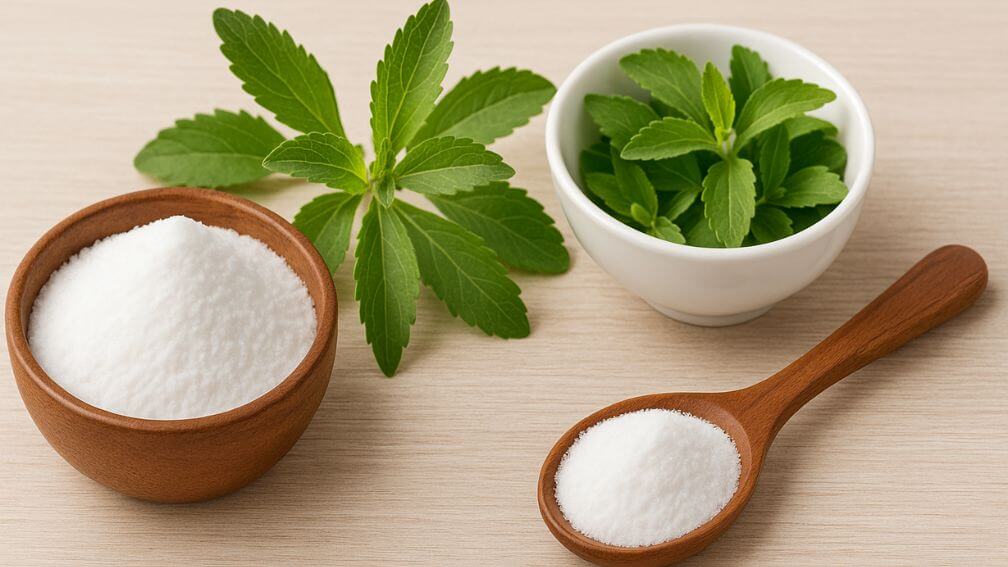
Stevia is available in different forms to suit various preferences and culinary needs. Liquid stevia extracts are highly concentrated and often used in beverages, while powdered stevia is a convenient option for baking and cooking. Whole dried stevia leaves are sometimes used in herbal teas and traditional medicine practices, maintaining the plant’s natural integrity and health benefits.
One of stevia’s most appealing attributes is its zero-calorie content. Unlike sugar, which contributes to empty calories and can lead to weight gain, stevia allows people to enjoy sweetness without the guilt. Moreover, stevia does not raise blood sugar levels, making it an excellent choice for individuals managing diabetes or those on low-carb diets.
In recent decades, stevia has gained traction as consumer awareness grows about the adverse effects of excessive sugar consumption. Unlike artificial sweeteners that can pose health concerns, stevia is viewed favorably for its natural derivation and minimal processing. This makes it a viable choice not only for health-conscious individuals but also for food and beverage manufacturers seeking to meet consumer demand for healthier alternatives.
Stevia is available in various forms to cater to different culinary and dietary preferences:
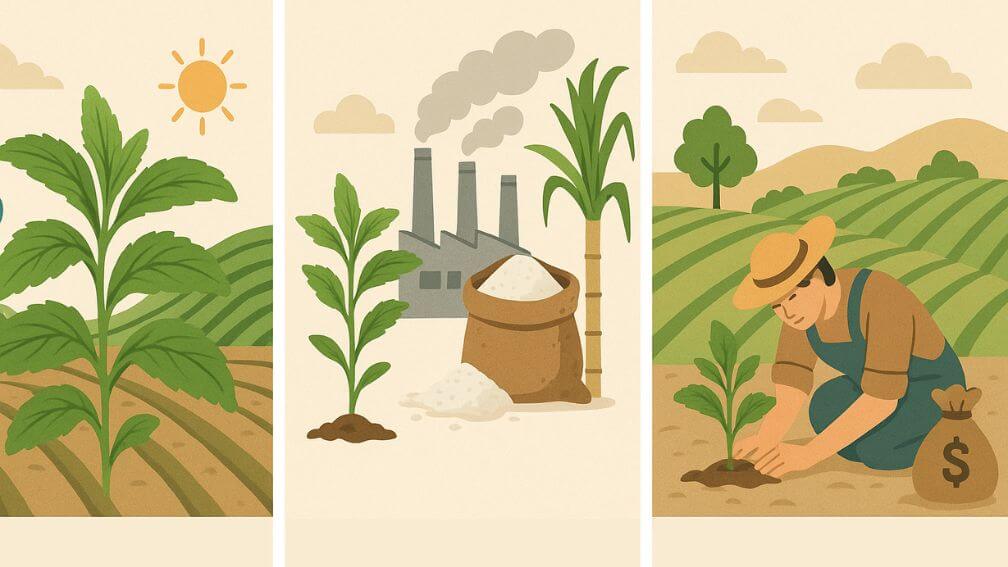
Stevia cultivation requires less water compared to sugarcane and can be grown in diverse climates, contributing to sustainable agricultural practices.
As a natural sweetener, stevia production has a lower environmental footprint compared to sugar production, which often involves intensive processing and chemical inputs.
Growing stevia can provide economic opportunities for farmers, especially in regions where it is native, offering a viable alternative crop with growing global demand.
Stevia leaves contain several nutrients and plant compounds, including steviol glycosides, which are responsible for their sweet taste without the calories.
In traditional medicine, stevia has been used for its potential medicinal properties, which include antimicrobial and anti-inflammatory effects.
Stevia leaves can be used fresh or dried to sweeten beverages like tea and coffee, as well as in cooking and baking to replace sugar in recipes.
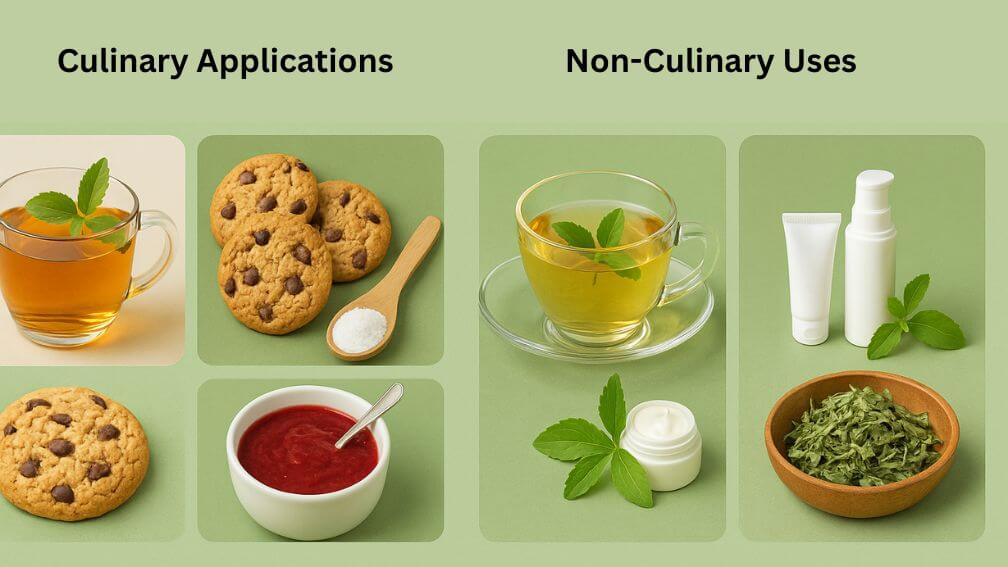
Stevia stands out as a versatile and natural sweetener with numerous health benefits and culinary uses. Whether you’re looking to manage weight, control blood sugar, or simply adopt a healthier diet, incorporating stevia into your lifestyle offers a sweet solution without compromising on taste or wellbeing.
Yes, stevia is generally recognized as safe (GRAS) by regulatory authorities when consumed in moderate amounts.
Absolutely, stevia is heat-stable and can be used in a variety of cooking and baking recipes as a sugar substitute.
While rare, some individuals may experience mild digestive issues or allergic reactions. However, stevia is considered safe for most people when used in moderation.
Stevia differs from artificial sweeteners like aspartame and saccharin by being natural and calorie-free, offering a healthier alternative.
Yes, stevia has no effect on blood sugar levels, making it a safe choice for individuals with diabetes.
In conclusion, stevia’s growing popularity stems from its natural origin, health benefits, and diverse applications in both culinary and non-culinary realms. Embracing stevia can enhance your journey towards a healthier lifestyle, all while enjoying the sweetness of nature’s own sugar substitute.



A sugar free diet is mainly about reducing added sugar consumption in the things you repeat daily, like tea, coffee, desserts, and packaged foods. Cutting these frequent sugar additions helps reduce empty calories from sugar and makes your routine easier to manage, which can support your belly fat and weight goals over time.

Switching to sugar-free habits mainly means reducing added sugar that sneaks into beverages, desserts, and packaged foods. When you cut repeated sugar moments, you reduce excess sugar intake and make your routine more consistent.
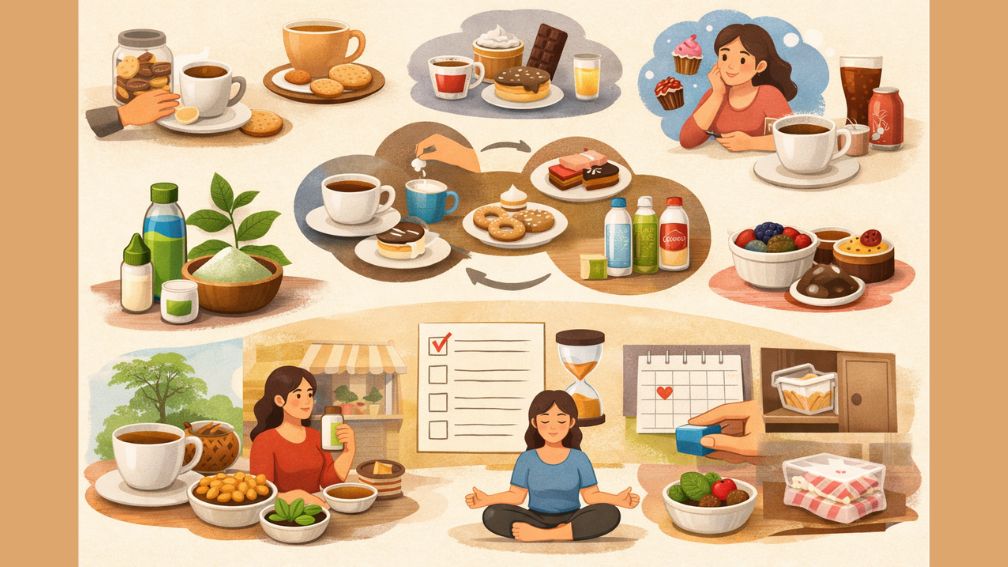
Sugar cravings are rarely about weak willpower. In most cases, they build up through routine.