


Loading...
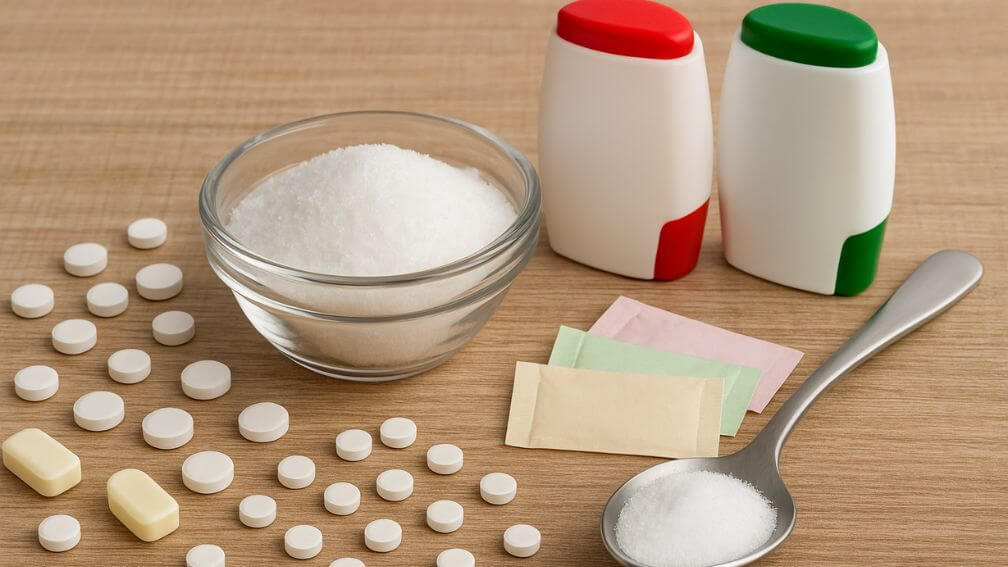
In the realm of modern nutrition, understanding what artificial sweeteners are has become increasingly crucial. As our diets evolve, so does our reliance on these sugar substitutes. But what exactly are artificial sweeteners, and how do they differ from natural sweeteners? Delve into this insightful exploration to uncover the types, benefits, safety, and much more.
Artificial sweeteners, as the name suggests, are sugar substitutes formulated to mimic the sweetness of sugar without the added calories. These synthetic compounds serve as alternatives to sucrose, the natural sugar derived from sugarcane or sugar beets. The advent of artificial sweeteners revolutionized the food industry, offering sweetness without the guilt of excess calories.
In today’s health-conscious world, the quest for sweet satisfaction without the guilt of excessive calories has led to the rise of artificial sweeteners. These compounds, often found in a plethora of food and beverage products, promise the sweetness we crave without the caloric consequences. But what exactly are artificial sweeteners, and how do they differ from their natural counterparts?
Artificial sweeteners are synthetic sugar substitutes, engineered to mimic the taste of sugar while providing minimal to no calories. These compounds are significantly sweeter than sucrose, the natural sugar found in foods like fruits and honey. Common artificial sweeteners include saccharin, aspartame, sucralose, and stevia.
While natural sweeteners like honey, maple syrup, and agave nectar are derived directly from plants, artificial sweeteners are chemically synthesized in laboratories. This distinction is crucial, as natural sweeteners often contain additional nutrients and calories, while artificial ones offer sweetness without any significant nutritional value.
The story of artificial sweeteners traces back to the late 19th century when saccharin, the first widely used artificial sweetener, was discovered. Initially synthesized in 1878 by Constantin Fahlberg, saccharin gained popularity during World War I due to sugar shortages. Since then, the development of artificial sweeteners has been a testament to scientific innovation and consumer demand.
In the mid-20th century, aspartame emerged as a groundbreaking addition to the artificial sweetener repertoire. Discovered in 1965 by chemist James Schlatter, aspartame gained FDA approval in 1981 and quickly became a staple in diet sodas and low-calorie foods.
Sucralose, another prominent artificial sweetener, entered the market in the 1990s. Derived from sucrose, sucralose boasts the advantage of being heat stable, making it suitable for baking and cooking applications. Its widespread use in commercial products underscores the continuous evolution of artificial sweeteners to meet consumer needs.
Stevia, although derived from the leaves of the Stevia rebaudiana plant, is often categorized as a natural sweetener. However, certain commercially available stevia products undergo refining processes, blurring the line between natural and artificial sweeteners.
These sweeteners achieve their sugary taste by stimulating the taste receptors on the tongue. However, unlike sugar, they pass through the body without undergoing metabolism, resulting in minimal to no caloric intake. This property makes them particularly appealing to individuals seeking to reduce their calorie consumption or manage conditions like diabetes.
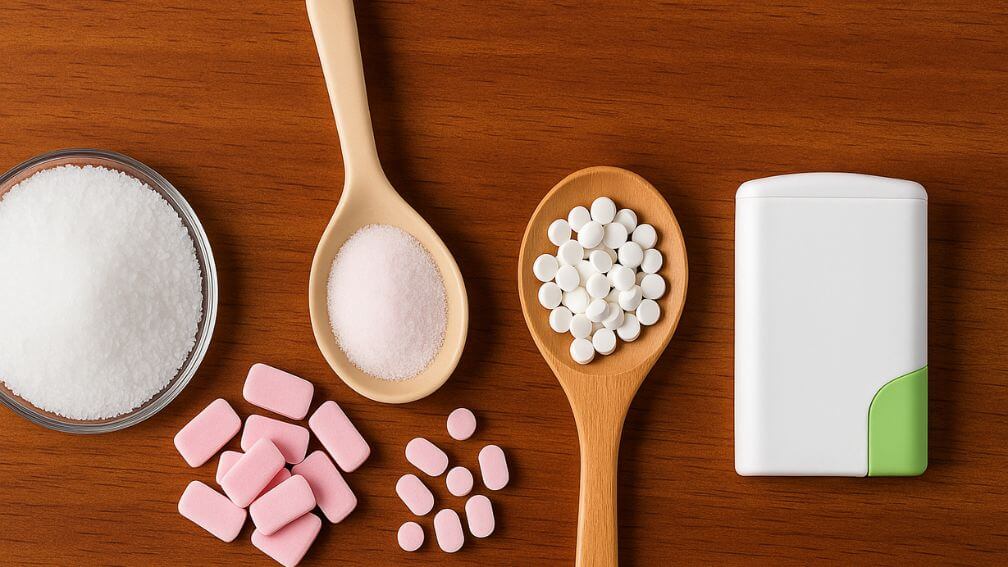
A diverse array of artificial sweeteners exists, each with its unique properties and applications.
Among the most prevalent types are:
Each type offers distinct advantages and applications, catering to various dietary preferences and requirements.
Navigating ingredient labels can be daunting, given the multitude of names associated with artificial sweeteners. Look out for terms like aspartame, sucralose, saccharin, acesulfame potassium, and neotame to identify these sugar substitutes in packaged foods and beverages.
Determining what constitutes a “good” artificial sweetener involves assessing factors such as taste, stability, and health implications. Low-calorie and zero-calorie sweeteners offer the sweetness of sugar without contributing to weight gain or blood sugar spikes, making them valuable allies in weight management and diabetes control.
Regulatory bodies like the FDA (Food and Drug Administration) and EFSA (European Food Safety Authority) rigorously evaluate the safety of artificial sweeteners before approving their use in food products. Extensive research has been conducted to assess their safety, with findings indicating that when consumed within recommended levels, artificial sweeteners pose minimal health risks.
However, concerns persist regarding potential side effects and long-term health implications. Some studies suggest a correlation between artificial sweetener consumption and adverse health outcomes, although conclusive evidence remains elusive. Experts recommend moderation and adherence to established guidelines to mitigate any potential risks associated with their consumption.
Beyond traditional artificial sweeteners, a myriad of artificial sweetening agents find their way into various food and beverage products. These agents, ranging from cyclamate to alitame, offer manufacturers flexibility in formulating low-calorie alternatives to sugar-laden counterparts.
Exploring the realm of sweetness, certain artificial sugars stand out for their exceptional sweetness levels. Steviol glycosides, derived from the stevia plant, and monk fruit extract, sourced from the luo han guo fruit, rank among the sweetest artificial sugars available. Their potency far surpasses that of sucrose, making them ideal choices for individuals seeking intense sweetness without the caloric burden.
For individuals managing diabetes, artificial sweeteners offer a viable solution for satisfying sweet cravings without disrupting blood sugar levels. By replacing sugar with these low-calorie alternatives, individuals can enjoy a varied diet while effectively managing their condition.
In conclusion, artificial sweeteners play a significant role in modern diets, offering sweetness without the caloric consequences of sugar. Understanding the types, benefits, and safety considerations surrounding artificial sweeteners empowers consumers to make informed choices about their dietary habits. As we navigate the complex landscape of nutrition, let’s embrace the sweetness of knowledge and strive for balance in our consumption of artificial sweeteners.
Buy Sugar Free Sweeteners Online from Amazon and Zydus India Website
The different types of artificial sweeteners include aspartame, sucralose, saccharin, acesulfame potassium, and neotame.
When consumed within recommended levels, artificial sweeteners are considered safe by regulatory bodies such as the FDA and EFSA.
Low-calorie and zero-calorie artificial sweeteners like aspartame, sucralose, and stevia are suitable options for individuals managing diabetes.
Yes, artificial sweeteners can aid in weight loss by providing sweetness without the added calories, thereby reducing overall calorie intake.
Artificial sweeteners offer sweetness without the caloric content of natural sweeteners like sugar, making them suitable alternatives for individuals seeking to reduce their calorie consumption or manage conditions like diabetes.



A sugar free diet is mainly about reducing added sugar consumption in the things you repeat daily, like tea, coffee, desserts, and packaged foods. Cutting these frequent sugar additions helps reduce empty calories from sugar and makes your routine easier to manage, which can support your belly fat and weight goals over time.

Switching to sugar-free habits mainly means reducing added sugar that sneaks into beverages, desserts, and packaged foods. When you cut repeated sugar moments, you reduce excess sugar intake and make your routine more consistent.

Sugar cravings are rarely about weak willpower. In most cases, they build up through routine.