
Facebook you tube instagram

Loading...

The Ultimate Guide to Sugar-Free Foods: What to Eat and What to Avoid

  • Author: Team Sugarfree
  • Category: Sugar-Free Living
  • 22nd December 2025
Sugar-Free Foods

Sugar, once considered a harmless indulgence, has now been unveiled as a major contributor to various health concerns, from obesity to diabetes and heart disease. As awareness grows, so does the desire for alternatives. This guide aims to equip you with the knowledge needed to navigate the world of sugar-free foods, helping you make informed choices for a healthier lifestyle.

Understanding Sugar and Its Effects on Health

In today’s world, sugar seems to be everywhere, lurking in our favorite foods and beverages, tempting us with its sweet allure. From the morning cup of coffee to the afternoon snack, sugar finds its way into our daily lives in various forms. But what exactly is sugar, and how does it impact our health?

What is Sugar?

Sugar, in its simplest form, is a type of carbohydrate that our bodies use as a source of energy. However, not all sugars are created equal. There are two main types of sugar: natural and added.

  • Natural Sugars: These sugars occur naturally in foods such as fruits (fructose) and dairy products (lactose). They are accompanied by essential nutrients like fiber, vitamins, and minerals, which slow down their absorption in the body, resulting in a gradual release of energy.
  • Added Sugars: On the other hand, added sugars are those incorporated into foods and beverages during processing or preparation. These sugars, such as sucrose (table sugar) and high fructose corn syrup, offer little to no nutritional value and can lead to various health issues when consumed excessively.

Health Effects of High Sugar Intake

While sugar provides a quick burst of energy, indulging in too much can have detrimental effects on our health.

Weight Gain: One of the most well-known consequences of excessive sugar consumption is weight gain. Added sugars contribute to excess calorie intake without providing the feeling of fullness, leading to overeating and ultimately, weight gain.

Diabetes: High sugar intake is closely linked to the development of type 2 diabetes. When we consume sugary foods and drinks, our blood sugar levels spike, causing the pancreas to release insulin to regulate glucose. Over time, this can lead to insulin resistance, a hallmark of type 2 diabetes.

Heart Disease: Research has also shown a strong association between high sugar intake and heart disease. Excessive sugar consumption can increase the levels of triglycerides, a type of fat, in the blood, raising the risk of heart disease and stroke.

Benefits of Reducing Sugar

While the thought of cutting back on sugar may seem daunting, the benefits to your health are well worth it.

  • Weight Management: By reducing your intake of added sugars, you can better control your calorie consumption, making it easier to achieve and maintain a healthy weight.
  • Improved Blood Sugar Control: Cutting back on sugar can help stabilize blood sugar levels, reducing the risk of developing type 2 diabetes and managing the condition for those already diagnosed.
  • Heart Health: Lowering your sugar intake can lead to improvements in cholesterol and triglyceride levels, lowering the risk of heart disease and promoting overall heart health.
  • Better Dental Health: Excessive sugar consumption is a leading cause of tooth decay and cavities. By reducing sugar intake, you can protect your pearly whites and promote better oral hygiene.
  • Increased Energy Levels: While sugar may provide a quick energy boost, it often leads to crashes and fatigue. By opting for nutritious, whole foods instead, you can sustain energy levels throughout the day without the highs and lows of sugar consumption.

Why Should You Eat Less Sugar?

Reducing sugar consumption can significantly improve your health and quality of life. By opting for sugar-free alternatives, you can better manage your weight, regulate blood sugar levels, and reduce the risk of developing chronic diseases.

Foods to Eat on a Sugar-Free Diet

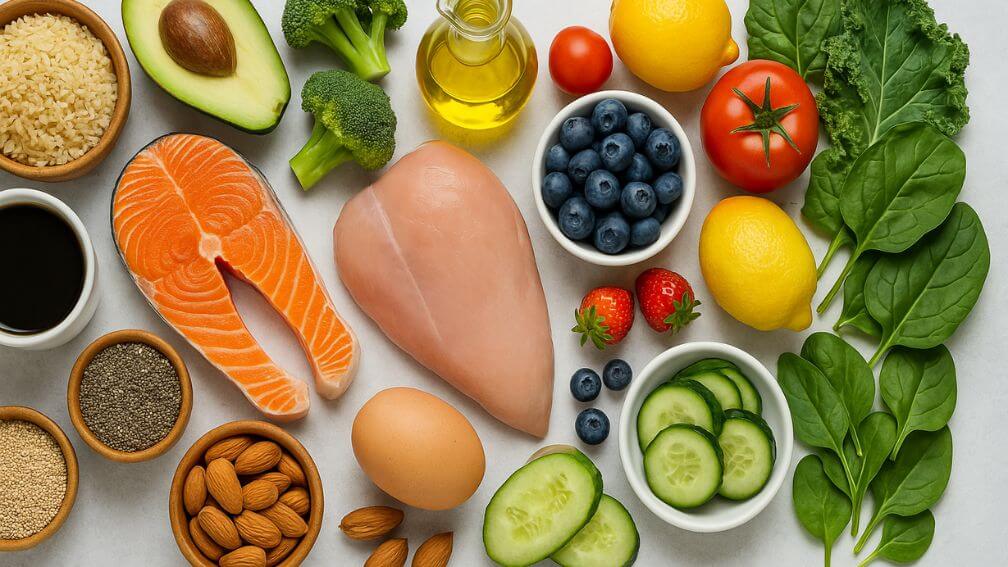
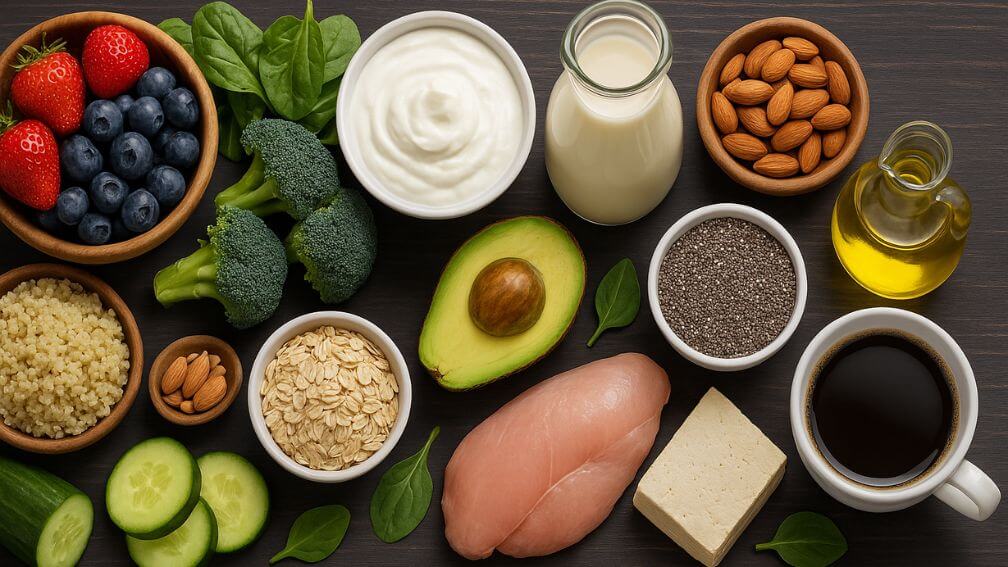
Foods to Eat on a Sugar-Free Diet

1. Whole Foods Embrace the goodness of whole foods, including:

  • Fruits and Vegetables: Opt for low-sugar options like berries and leafy greens.
  • Lean Proteins: Chicken, fish, tofu, and legumes are excellent choices.
  • Whole Grains: Quinoa, brown rice, and oats provide sustained energy without the sugar spike.

2. Dairy and Alternatives Choose:

  • Plain Greek Yogurt: High in protein and low in sugar.
  • Unsweetened Milk Alternatives: Almond milk, coconut milk, and soy milk are great alternatives.

3. Healthy Fats Incorporate:

  • Nuts and Seeds: Almonds, chia seeds, and flaxseeds are rich in healthy fats.
  • Oils: Olive oil and avocado oil offer heart-healthy fats.

4. Beverages Stay hydrated with

  • Water: The ultimate sugar-free beverage.
  • Herbal Teas: Enjoy a variety of flavors without added sugars.
  • Black Coffee: Skip the sweeteners and creamers for a pure caffeine boost.

Foods to Avoid on a Sugar-Free Diet

Foods to Avoid on a Sugar-Free Diet

1. Sugary Beverages Say no to:

  • Sodas: Loaded with added sugars and empty calories.
  • Fruit Juices: Often packed with hidden sugars, choose whole fruits instead.

2. Processed Foods Steer clear of:

  • Snack Bars: Even the healthiest-looking bars can be sugar-laden.
  • Breakfast Cereals: Many varieties are sugar bombs in disguise.

3. Sweets and Desserts Indulge wisely, avoiding:

  • Candies and Chocolates: High in sugars and low in nutrients.
  • Baked Goods: Pastries, cookies, and cakes are often sugar-filled temptations.

4. Condiments and Sauces Be cautious of:

  • Ketchup: A common condiment with a surprising amount of added sugars.
  • Salad Dressings: Opt for homemade or sugar-free options to avoid hidden sugars.

Tips for Reducing Sugar Intake

Reading Labels Become a savvy shopper by:

  • Identifying Hidden Sugars: Learn to decipher ingredient lists for sneaky sugars.
  • Understanding Nutritional Information: Pay attention to sugar content in packaged foods.

Healthy Substitutes Explore alternatives such as:

  • Natural Sweeteners: Stevia, monk fruit, and erythritol offer sweetness without the sugar spike.
  • Cooking and Baking Tips: Reduce sugar in recipes without compromising flavor.

Meal Planning Plan balanced meals that focus on:

  • Protein, Fiber, and Healthy Fats: These nutrients help keep you full and satisfied.
  • Smart Snacking: Choose nutritious, sugar-free snacks to curb cravings.

Sugar-Free Alternatives

Discover a world of sugar-free possibilities, from pantry staples to indulgent treats. Visit our website’s recipe page for inspiration and delicious sugar-free recipes.

Conclusion

Incorporating sugar-free foods into your diet can have a profound impact on your health and well-being. By making mindful choices and embracing wholesome alternatives, you can enjoy delicious meals without sacrificing taste or satisfaction. Start your journey towards a sugar-free lifestyle today and experience the benefits firsthand.

Buy Sugar Free Sweeteners Online from Amazon and Zydus India Website
Related Products

Related Articles

Exploring the Sweet Alternatives: What is the Best Sugar Substitute for Tea and Coffee?

22nd December 2025

Sugar, once considered a harmless indulgence, has now been unveiled as a major contributor to various health concerns, from obesity to diabetes and heart disease

FAQs

Common sugar-free options include fruits, vegetables, lean proteins, and whole grains.

While fruits contain natural sugars, they can still be part of a sugar-free diet when consumed in moderation.

Natural sweeteners like stevia, monk fruit, and erythritol are popular choices for baking without sugar.

Opt for naturally sweet foods like fruits, or indulge in sugar-free desserts made with alternative sweeteners.

Not necessarily. While sugar-free options may be lower in sugar, it’s essential to consider overall nutritional value and ingredients.

Latest Articles

Introducing Sugar Free Gold Plus

Introducing Sugar Free Gold Plus: Your Ultimate Solution to Healthier Sweetening

December 30, 2025

Welcome to a journey towards healthier sweetening with Sugar Free Gold Plus! In a world where sugar-laden temptations surround us, finding a balanced alternative becomes crucial for maintaining our health and well-being. Join us as we explore the revolutionary solution offered by Sugar Free Gold Plus with chromium, designed to not only satisfy your sweet tooth but also support your fitness goals.

Is Stevia Good for Your Health

Unveiling the Truth: Is Stevia Good for Your Health?

December 10, 2025

In recent years, stevia has gained considerable attention as a natural alternative to sugar, touted for its sweetness without the calories and impact on blood sugar levels. As consumers increasingly prioritize healthier dietary choices, understanding the health implications of stevia’s use becomes crucial.

Stevia vs. Sugar

Stevia vs. Sugar: Understanding Facts and Making Informed Choices

December 9, 2025

In the ongoing debate over sweeteners, stevia and sugar represent two contrasting choices with significant implications for health and nutrition. Understanding their differences and nutritional profiles is crucial for making informed dietary decisions.