


Loading...
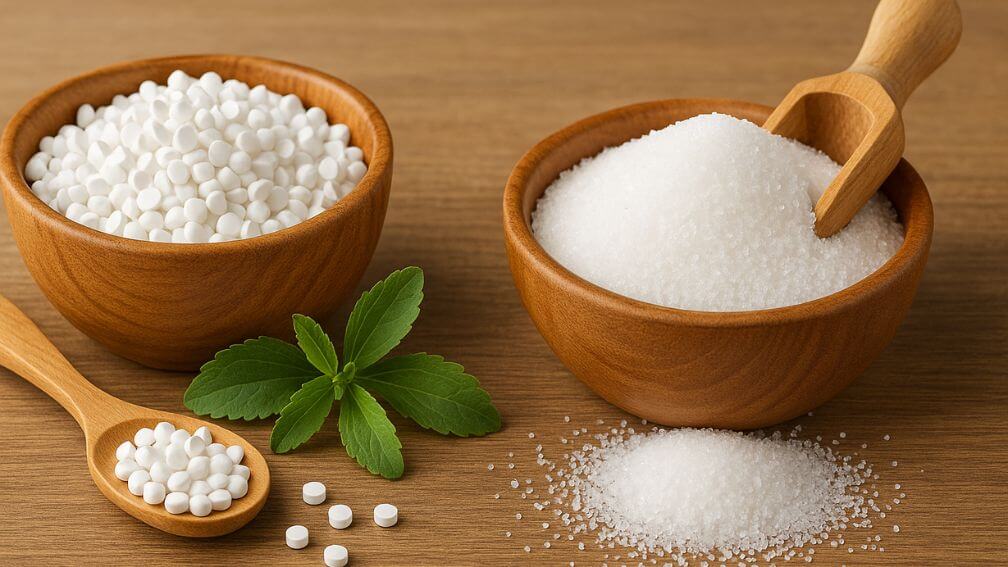
In the ongoing debate over sweeteners, stevia and sugar represent two contrasting choices with significant implications for health and nutrition. Understanding their differences and nutritional profiles is crucial for making informed dietary decisions. This article explores the nuances between stevia and sugar, aiming to clarify misconceptions and highlight the benefits of each.
Stevia sugar refers to sweeteners derived from the leaves of the Stevia rebaudiana plant, native to South America. Traditionally used as a natural sweetener by indigenous populations, stevia has gained global popularity for its intense sweetness without the caloric burden of sugar.
Stevia sweeteners are typically extracted from the stevia plant through a process that involves crushing the leaves and steeping them in water. The resulting liquid is then filtered and purified to isolate the steviol glycosides, primarily rebaudioside A and stevioside, which impart sweetness.
Stevia is prized for its zero-calorie content and negligible impact on blood sugar levels, making it a suitable alternative for individuals managing weight or diabetes. It also lacks the carbohydrates found in sugar, which contribute to its caloric density.
Stevia’s health benefits include its role in weight management, as it allows for sweetening without adding calories. It also doesn’t contribute to tooth decay, unlike sugar. However, some may experience a slight aftertaste with certain stevia products, which can be a consideration for those sensitive to flavor nuances.
Sugars vary widely, from granulated white sugar to natural alternatives like coconut sugar. Sulphur-free sugars are processed without sulfur dioxide, a preservative often used to maintain color and shelf life in conventional sugars.
Sugar primarily consists of sucrose, providing quick energy but devoid of essential nutrients. Its high caloric density contributes to weight gain and can impact overall health when consumed excessively.
Excessive sugar consumption is linked to obesity, diabetes, cardiovascular disease, and dental issues. The rapid spike in blood sugar levels triggers insulin release, potentially leading to insulin resistance over time.
The shift towards alternatives like stevia stems from growing awareness of sugar’s health risks. Health-conscious consumers seek alternatives that offer sweetness without compromising on taste or health.
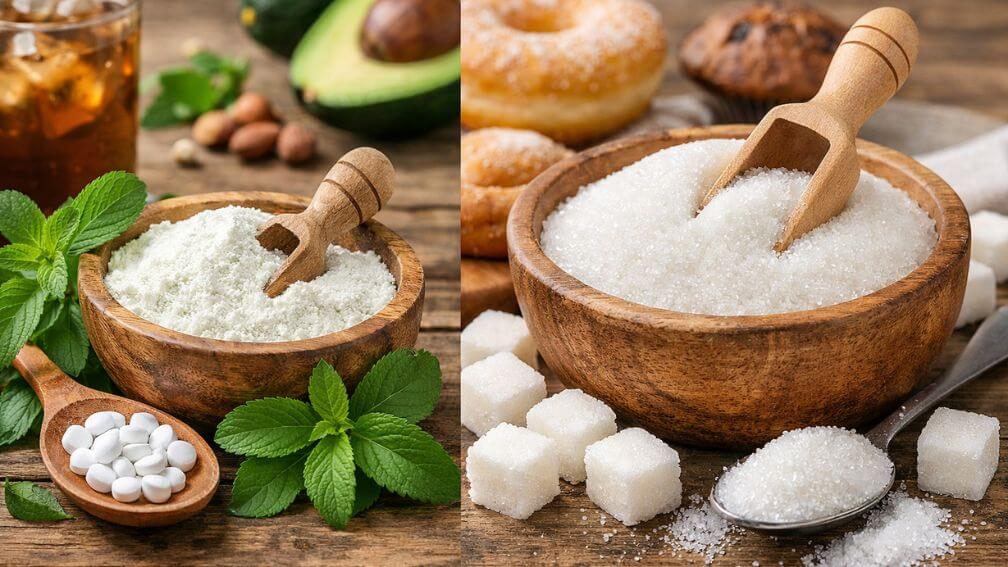
Stevia is intensely sweet but can have a slight bitter aftertaste in some formulations. In contrast, sugar provides a clean sweetness that is widely familiar and versatile in culinary applications.
Sugar is calorie-dense, with approximately 4 calories per gram, while stevia is calorie-free. Stevia’s minimal impact on blood sugar levels makes it suitable for diabetics and those on low-carb diets.
Stevia has a glycemic index of zero, meaning it does not raise blood sugar levels, whereas sugar has a high glycemic index, causing rapid spikes in blood glucose.
Stevia is compatible with various dietary preferences, including ketogenic and diabetic diets, due to its low-carb and sugar-free properties. Sugar, on the other hand, is restricted in such diets due to its high carbohydrate content.
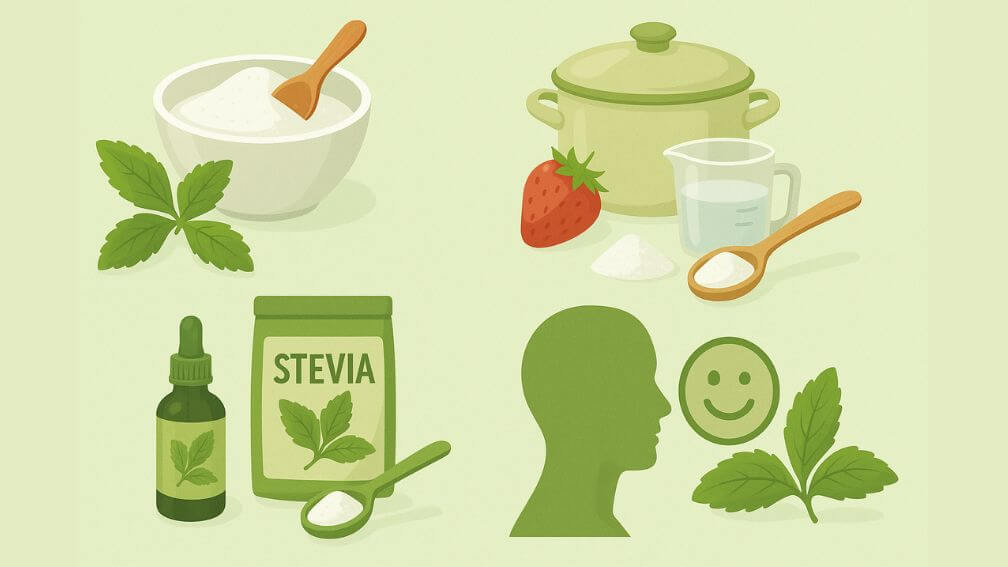
Using stevia allows individuals to enjoy sweetness without the added calories or carbohydrates of sugar. It can be used in cooking, baking, and beverages, offering a versatile alternative for health-conscious cooking.
Stevia can be substituted for sugar in many recipes, though adjustments may be needed due to differences in sweetness intensity and volume. Manufacturers offer stevia in various forms, including liquid drops, powder, and granules, catering to different culinary needs.
While generally well-tolerated, some people may perceive a slight aftertaste with stevia, particularly in higher concentrations or certain brands. Experimentation may be necessary to find the preferred form and brand that suits individual taste preferences.
Consumer feedback indicates a growing preference for stevia among those seeking healthier dietary choices. Its availability in multiple forms and increasing use in packaged foods reflect its rising popularity.
Research supports stevia’s role in weight management and blood sugar control compared to sugar. Studies also explore its potential benefits in managing metabolic conditions and promoting dental health.
Stevia’s calorie-free nature makes it a valuable tool in weight management strategies. By reducing overall caloric intake, it supports healthy weight goals without sacrificing taste.
Unlike sugar, which promotes tooth decay, stevia does not contribute to dental cavities. Its non-cariogenic properties make it a preferred choice for maintaining oral health.
Stevia is generally recognized as safe (GRAS) by regulatory agencies worldwide when consumed in moderation. Extensive safety evaluations support its use as a sugar substitute across various populations.
Considerations include dietary preferences, health goals, taste preferences, and culinary applications. Stevia offers a viable alternative to sugar for those looking to reduce caloric intake or manage blood sugar levels.
Personal preferences play a significant role in selecting sweeteners. Taste, texture, and familiarity with different sweeteners influence consumer choices and satisfaction with dietary changes.
Start with small amounts of stevia and gradually adjust to taste preferences. Experiment with different forms of stevia to find the best fit for beverages, cooking, and baking.
While stevia offers benefits as a sugar substitute, moderation remains key to maintaining a balanced diet. Incorporate a variety of foods and sweeteners to meet nutritional needs and preferences.
In conclusion, the debate between stevia and sugar underscores the importance of informed dietary choices. Stevia emerges as a beneficial alternative for reducing sugar intake, supporting weight management, and promoting dental health. Understanding the nutritional differences and health implications allows individuals to make choices aligned with their health goals and preferences.
Buy Sugar Free Sweeteners Online from Amazon and Zydus India Website
Stevia is a natural sweetener derived from the stevia plant, offering zero calories and minimal impact on blood sugar levels. Sugar, on the other hand, is a carbohydrate-rich sweetener that provides calories and raises blood glucose levels.
Stevia is calorie-free and does not contribute to tooth decay, while sugar is high in calories and promotes dental cavities. Stevia has a negligible effect on blood sugar levels, making it suitable for diabetics and those watching their carbohydrate intake.
Yes, using stevia can aid in weight management, support dental health, and help regulate blood sugar levels. It is also suitable for various dietary preferences, including ketogenic and diabetic diets.
Stevia is available in various forms such as liquid extracts, powder, and whole leaf. These forms differ in sweetness intensity, ease of use in cooking and baking, and personal taste preferences.
By embracing stevia as part of a balanced diet, individuals can enjoy sweetness responsibly while prioritizing health and well-being. The future of sweeteners lies in choices that promote both personal and planetary health, making stevia a compelling option for mindful consumers.



A sugar free diet is mainly about reducing added sugar consumption in the things you repeat daily, like tea, coffee, desserts, and packaged foods. Cutting these frequent sugar additions helps reduce empty calories from sugar and makes your routine easier to manage, which can support your belly fat and weight goals over time.

Switching to sugar-free habits mainly means reducing added sugar that sneaks into beverages, desserts, and packaged foods. When you cut repeated sugar moments, you reduce excess sugar intake and make your routine more consistent.

Sugar cravings are rarely about weak willpower. In most cases, they build up through routine.