



Loading...
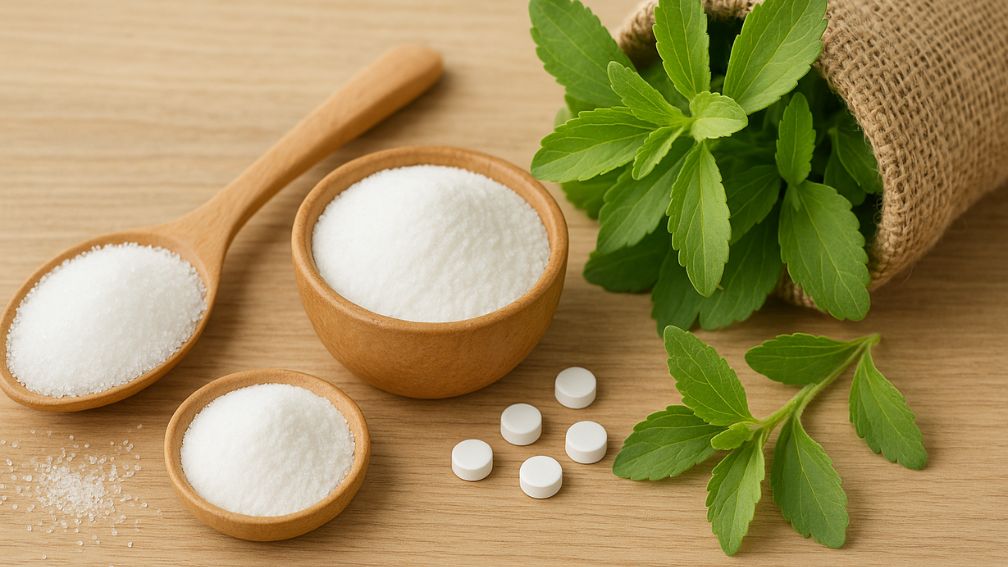
In recent years, stevia has gained considerable attention as a natural alternative to sugar, touted for its sweetness without the calories and impact on blood sugar levels. As consumers increasingly prioritize healthier dietary choices, understanding the health implications of stevia’s use becomes crucial. This blog explores the various aspects of stevia, from its origins and nutritional profile to its potential health benefits and safety considerations.
Stevia, derived from the leaves of the Stevia rebaudiana plant native to South America, has emerged as a preferred sugar substitute in modern times. Its popularity stems from being a natural sweetener with zero calories and a low glycemic index, making it suitable for diabetics and those watching their weight. This article delves into the topic of whether stevia is truly beneficial for health, addressing common misconceptions and providing insights into its role in a balanced diet.
Stevia is a sweet herb that has been used traditionally for centuries by indigenous peoples for its sweetness and medicinal properties. Today, it is processed into various forms such as liquid extracts, powders, and whole leaves. These forms cater to different culinary needs and preferences, offering versatility in both home kitchens and commercial food production. Stevia’s sweetness comes from steviol glycosides, which are extracted and purified to create intensely sweet compounds without the calories associated with sugar.
Comparing stevia with sugar reveals significant differences in nutritional content. Unlike sugar, stevia contains zero calories and carbohydrates, and it does not affect blood sugar levels, making it a suitable option for individuals managing conditions like diabetes. While stevia does not provide significant vitamins or minerals, its lack of impact on insulin levels and caloric intake is advantageous for maintaining a healthy diet.
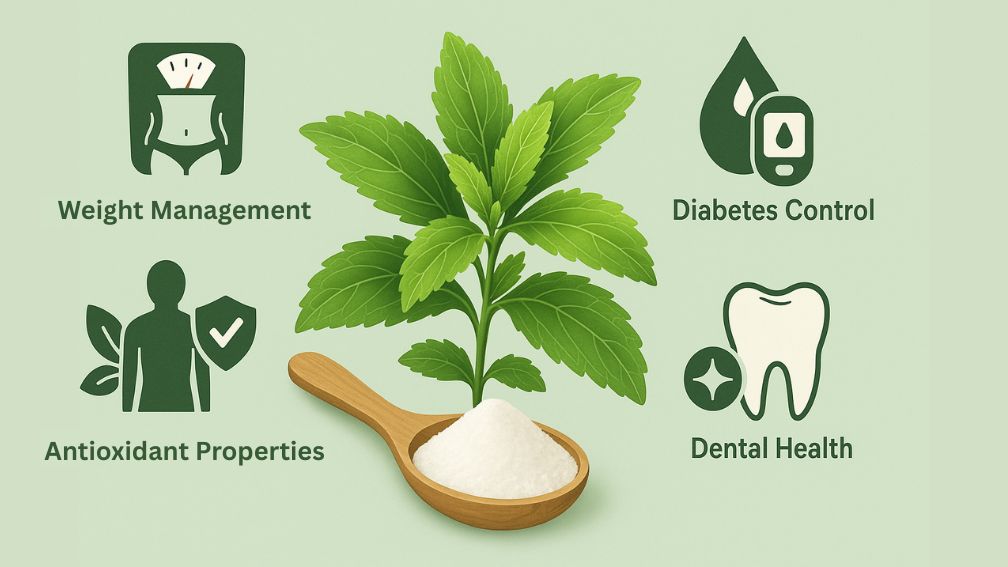
The consumption of stevia is associated with several potential health benefits. It can aid in weight management by reducing overall calorie intake, thus supporting efforts to maintain a healthy weight. For individuals with diabetes, stevia offers a sweet solution without contributing to fluctuations in blood sugar levels. Additionally, some studies suggest that stevia may possess antioxidant and anti-inflammatory properties, which could contribute to overall health and well-being.
By offering sweetness without the calories, stevia helps reduce overall calorie intake, which can support weight management efforts.
Stevia does not raise blood glucose levels, making it a safe alternative for individuals with diabetes or those following a low-carb diet.
Some studies suggest that stevia may possess antioxidant and anti-inflammatory properties, which can contribute to overall health and wellness.
Unlike sugar, stevia is non-cariogenic, meaning it does not contribute to tooth decay or dental cavities, promoting better oral hygiene.
Contrasting stevia with sugar underscores its advantages as a healthier alternative. Unlike sugar, which is linked to obesity, diabetes, and other metabolic disorders when consumed in excess, stevia offers sweetness without these detrimental health effects. It provides a means to satisfy sweet cravings without compromising dietary goals or health objectives.
When comparing stevia with sugar, the nutritional differences are stark. Stevia is calorie-free and has no carbohydrates, making it a suitable choice for individuals aiming to reduce caloric intake or manage conditions like obesity and diabetes. In contrast, sugar is high in calories and contributes to weight gain and metabolic disorders when consumed excessively. While stevia does not provide significant vitamins or minerals, its lack of impact on blood sugar levels makes it a preferred option for those monitoring their glycemic index.
Switching from sugar to stevia offers significant health advantages. Sugar consumption is linked to increased risk of obesity, type 2 diabetes, heart disease, and other metabolic disorders due to its high calorie content and impact on blood sugar levels. Stevia, on the other hand, allows individuals to satisfy their sweet tooth without these adverse health effects, making it a healthier choice for long-term health and wellness.
Stevia’s safety profile has been extensively studied, with regulatory bodies such as the FDA and EFSA confirming its safety for human consumption. However, like any food ingredient, some individuals may experience minor side effects such as digestive discomfort at high doses. It’s recommended to adhere to established daily intake limits and consult healthcare professionals, particularly for those with pre-existing medical conditions or concerns about specific dietary choices.
Incorporating stevia into daily diet routines can be straightforward with a few practical tips:
In conclusion, stevia offers a natural and healthier alternative to sugar, supported by its zero-calorie content, low glycemic index, and potential health benefits. Making informed decisions about incorporating stevia into one’s diet can contribute positively to overall health and well-being. By understanding its origins, nutritional profile, health benefits, and safety considerations, individuals can confidently embrace stevia as part of a balanced lifestyle.
Buy Sugar Free Green, Made from 0 calorie stevia leaves, a 100% Natural^ ingredient on Amazon and Zydus India Website.
Stevia offers sweetness without calories or impact on blood sugar levels, unlike sugar which can contribute to weight gain and metabolic disorders when consumed excessively.
Stevia’s zero-calorie nature and low glycemic index make it suitable for individuals managing weight, diabetes, or seeking to reduce sugar intake without sacrificing sweetness.
Yes, incorporating stevia into a balanced diet can support health goals by reducing calorie intake and minimizing the risks associated with high sugar consumption.
Yes, stevia is derived from a natural plant source and has been deemed safe for consumption by regulatory authorities worldwide, with recommended daily intake limits established for guidance.
In embracing stevia, individuals can enjoy the sweet taste of moderation while promoting better health outcomes. For personalized advice on integrating stevia into your diet, consult with healthcare professionals who can offer tailored recommendations based on individual health needs and preferences.



A sugar free diet is mainly about reducing added sugar consumption in the things you repeat daily, like tea, coffee, desserts, and packaged foods. Cutting these frequent sugar additions helps reduce empty calories from sugar and makes your routine easier to manage, which can support your belly fat and weight goals over time.

Switching to sugar-free habits mainly means reducing added sugar that sneaks into beverages, desserts, and packaged foods. When you cut repeated sugar moments, you reduce excess sugar intake and make your routine more consistent.
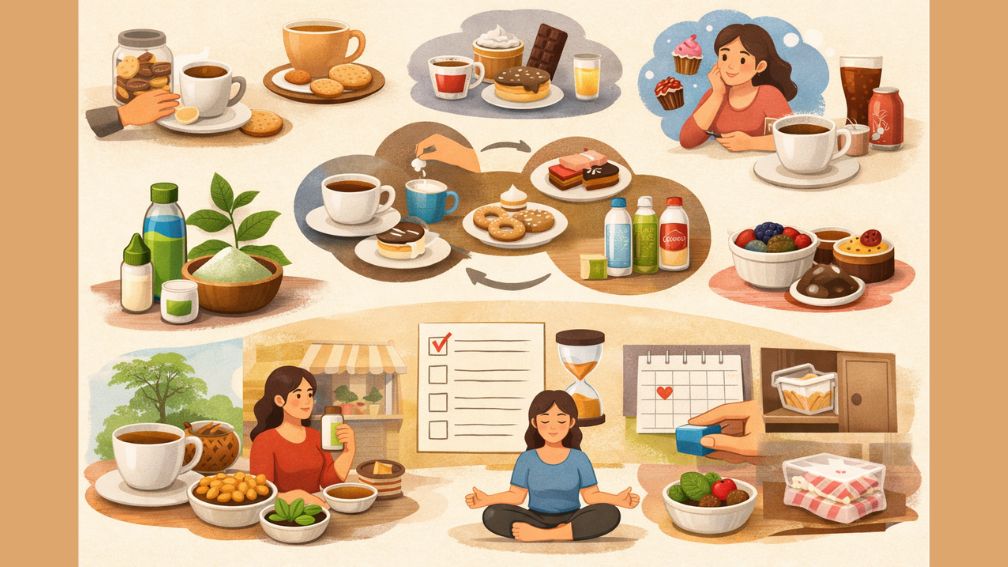
Sugar cravings are rarely about weak willpower. In most cases, they build up through routine.