



Loading...
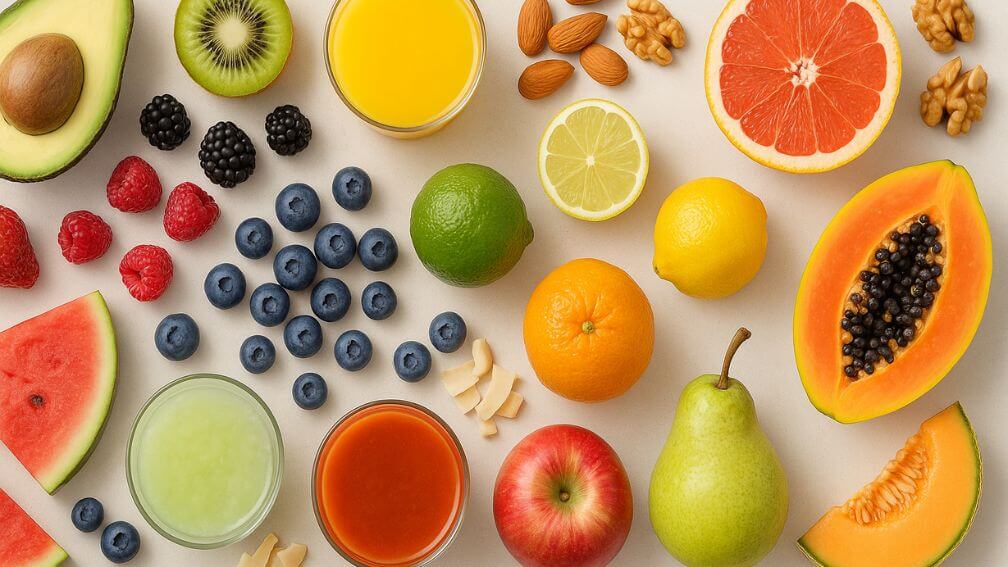
Managing sugar intake is crucial for diabetics and health-conscious individuals aiming to maintain stable blood sugar levels and overall health. Choosing fruits that are low in sugar content can provide essential nutrients without causing significant blood sugar spikes. This blog explores twelve sugar-free or low-sugar fruits, their benefits, and how they can be incorporated into a balanced diet.
Fruits contain natural sugars in the form of fructose, glucose, and sucrose. These natural sugars are accompanied by fiber, vitamins, and minerals, which can mitigate the impact on blood sugar levels compared to processed sugars.
The glycemic index (GI) measures how quickly a food raises blood sugar levels, while the glycemic load (GL) considers both the GI and the amount of carbohydrates in a serving. Low-GI and low-GL fruits are preferable for diabetics as they cause slower, more gradual increases in blood sugar.
Opting for low-sugar fruits helps manage diabetes, aids in weight control, and promotes overall health. These fruits provide essential nutrients without contributing to excessive sugar intake, helping to maintain stable blood glucose levels.
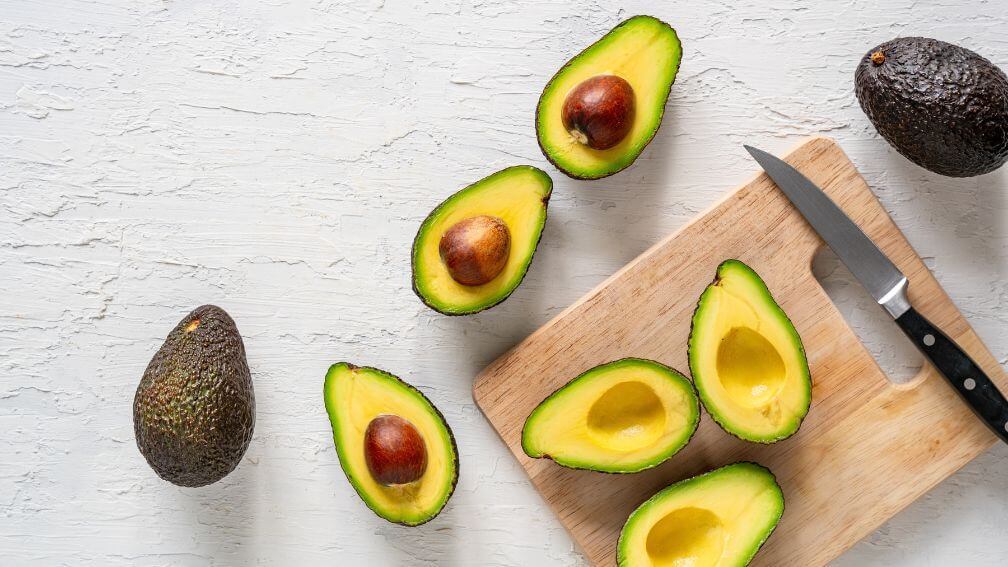
Description: Avocados are rich in healthy fats, fiber, and various vitamins, including vitamin K, E, and C.
Why it’s good for diabetics: Avocados have minimal sugar content, making them ideal for diabetics. The high fiber and healthy fats help regulate blood sugar levels and improve overall heart health.
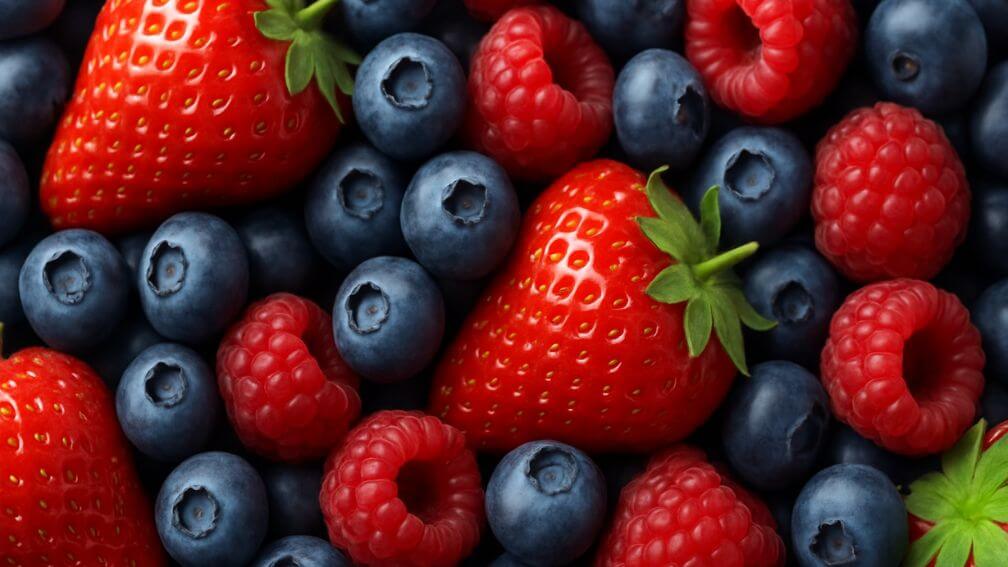
Description: Berries are low in calories but high in fiber, vitamins, and antioxidants.
Why they’re good for diabetics: Berries have a low glycemic index and are packed with fiber and antioxidants, which help manage blood sugar and reduce inflammation.
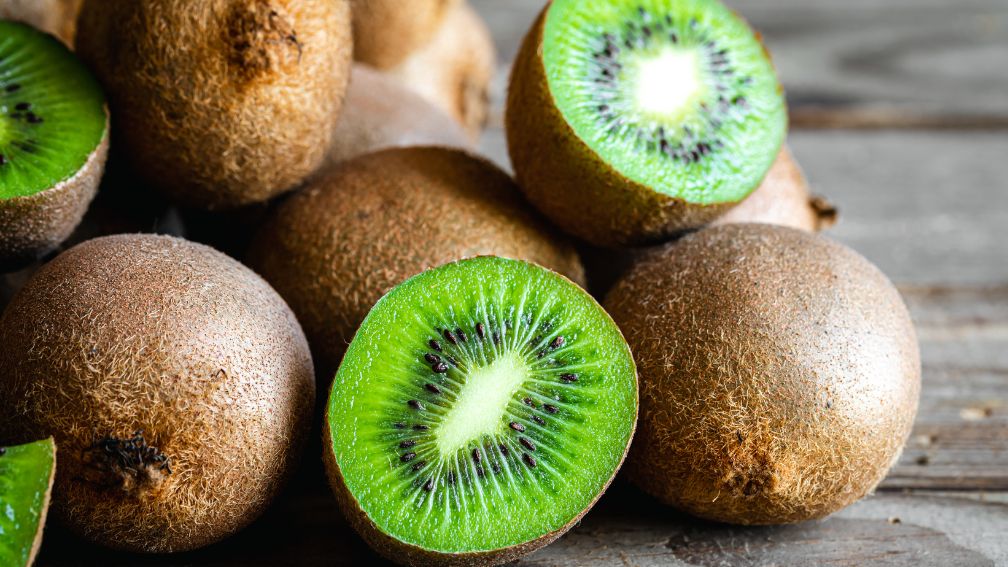
Description: Kiwi is a nutrient-dense fruit rich in vitamin C, vitamin K, and fiber.
Why it’s good for diabetics: Kiwi has a low glycemic index and is high in fiber, which aids in blood sugar control and digestive health.
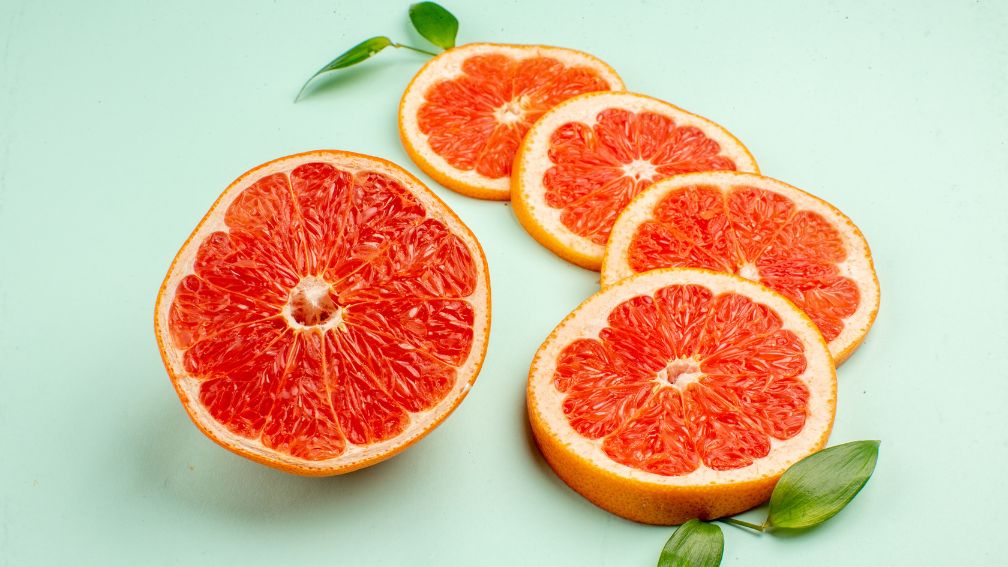
Description: Grapefruit is low in calories and high in vitamins A and C.
Why it’s good for diabetics: With a low glycemic index, grapefruit helps in maintaining stable blood sugar levels and provides a good source of vitamins.

Description: These citrus fruits are rich in vitamin C and have negligible sugar content.
Why they’re good for diabetics: Lemons and limes are very low in sugar and can be used to flavor dishes without adding calories or sugar, making them excellent for diabetics.
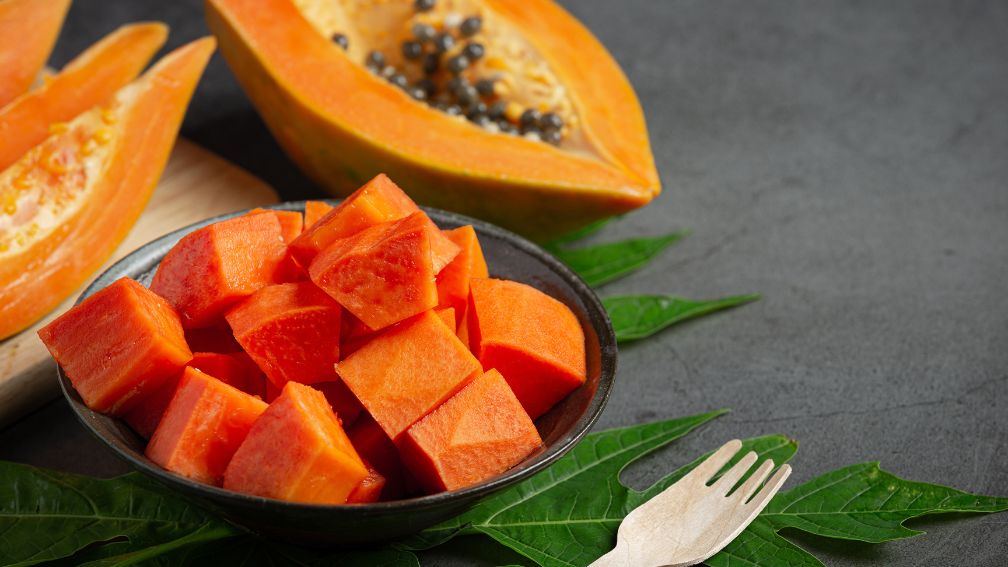
Description: Papaya is rich in vitamins A, C, and E, and contains digestive enzymes like papain.
Why it’s good for diabetics: Papaya has moderate sugar content and is high in vitamins and digestive enzymes, which can aid in digestion and overall health.
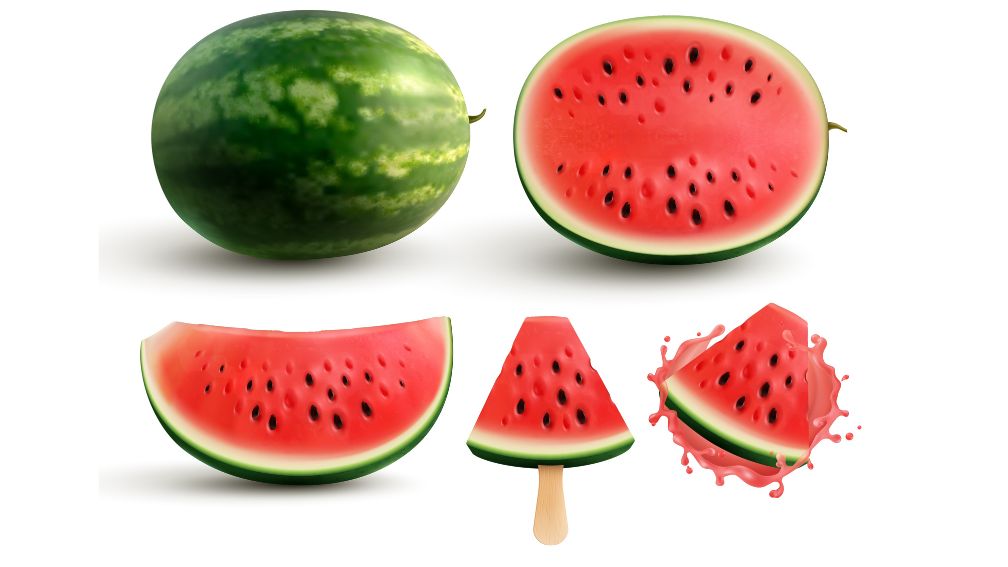
Description: Watermelon is hydrating and provides vitamins A and C.
Why it’s good for diabetics: When consumed in moderation, watermelon has low sugar content and high water content, making it a refreshing choice for diabetics.

Description: Peaches are rich in vitamins A and C, and fiber.
Why they’re good for diabetics: Peaches have moderate sugar content and are high in fiber and vitamins, which help regulate blood sugar levels.
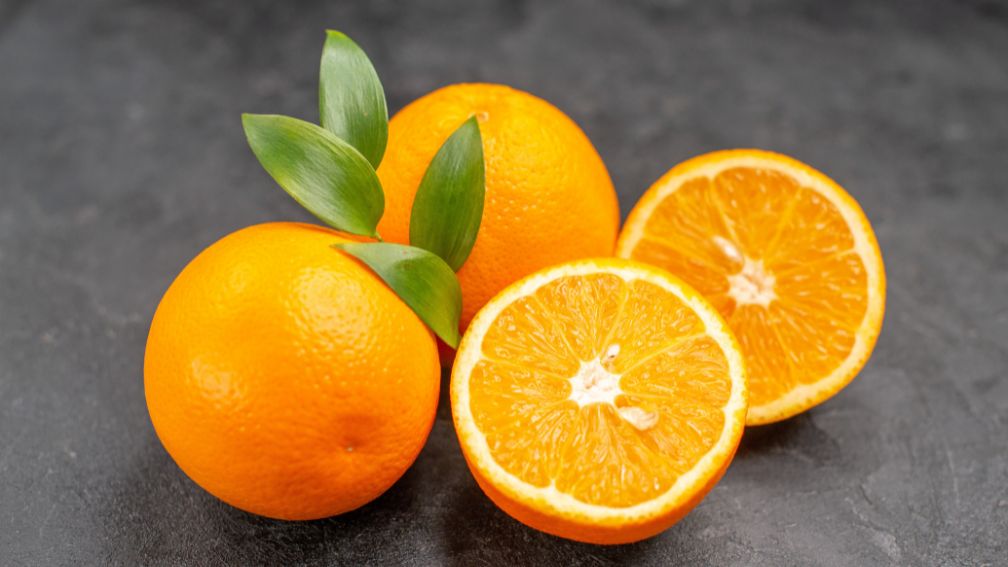
Description: Oranges are a great source of vitamin C and fiber.
Why they’re good for diabetics: Oranges have moderate sugar content and a low glycemic index, making them suitable for diabetics when consumed in moderation.
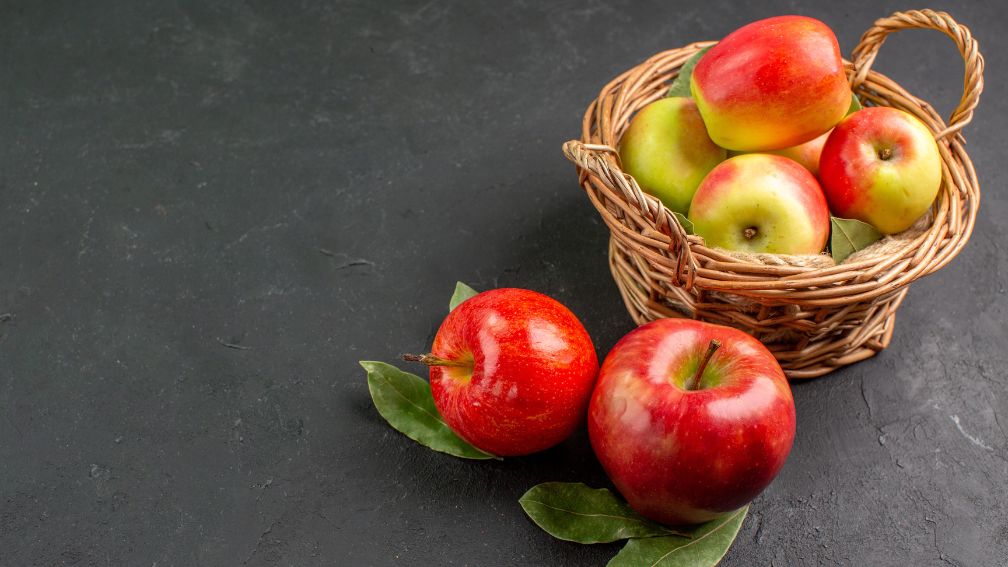
Description: Apples are high in fiber, particularly pectin, and vitamins.
Why they’re good for diabetics: Apples have moderate sugar content and a low glycemic index. Their high fiber content helps slow down sugar absorption.
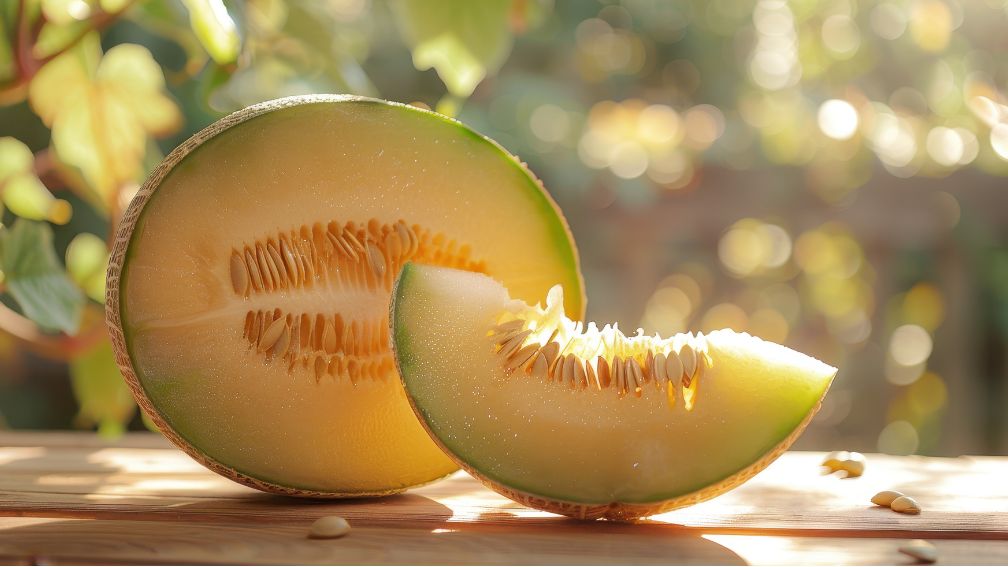
Description: Cantaloupe is rich in vitamins A and C, and hydration.
Why it’s good for diabetics: With moderate sugar content and high water content, cantaloupe can be a hydrating and nutritious option for diabetics.
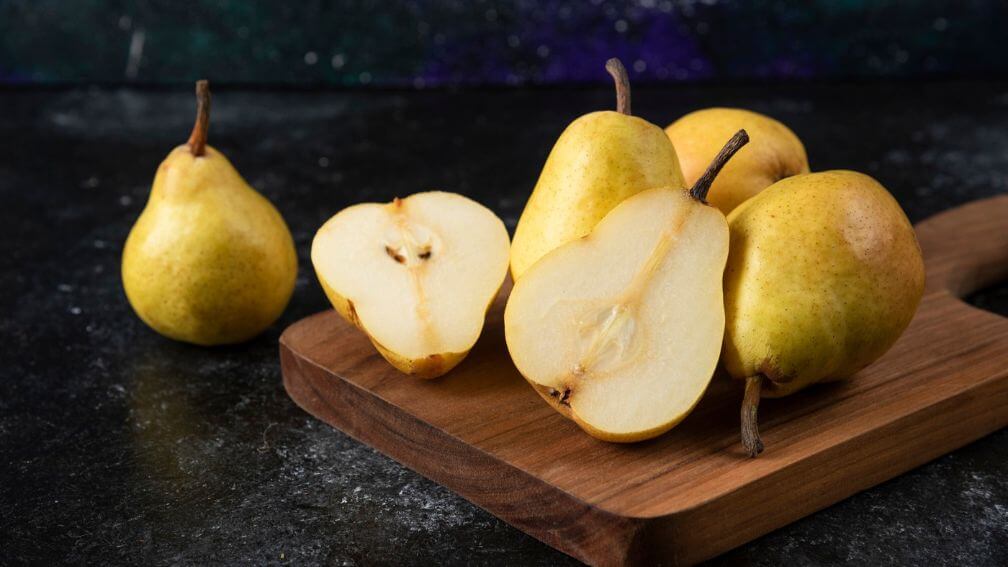
Description: Pears are high in fiber and vitamins like C and K.
Why they’re good for diabetics: Pears have moderate sugar content and high fiber, which aids in blood sugar regulation and overall digestive health.
When it comes to fruit juices, it’s important to choose options without added sugars and those made from low-sugar fruits. Some good options include:
Dry fruits can be a nutritious snack, but it’s essential to choose options without added sugars. Some suitable sugar-free dry fruits for diabetics include:
While these fruits are low in sugar, it’s important to consume them in moderation. Portion control is key to maintaining balanced blood sugar levels and overall health. Aim to include a variety of fruits in your diet and balance them with other nutrient-dense foods.
Choosing sugar-free or low-sugar fruits is essential for managing diabetes and maintaining overall health. These fruits provide essential nutrients without causing significant blood sugar spikes. By incorporating these fruits into a balanced diet, diabetics and health-conscious individuals can enjoy a variety of delicious and nutritious options.
Buy Sugar Free Sweeteners Online from Amazon and Zydus India Website
Some of the best sugar-free or low-sugar fruits for diabetics include avocados, berries, kiwi, grapefruit, lemons, limes, papaya, watermelon, peaches, oranges, apples, cantaloupe, and pears.
Low-sugar fruits have a lower glycemic index and are often high in fiber, which helps slow down sugar absorption and prevent blood sugar spikes, aiding in diabetes management.
Diabetics should avoid or limit fruits with high sugar content and high glycemic index, such as bananas, grapes, mangoes, and dried fruits with added sugars.
Fruits with a low glycemic index (55 or less) are generally considered low in sugar. Checking the nutritional information and glycemic index can help determine if a fruit is low in sugar.
Yes, but it’s important to choose fruits with low sugar content and high fiber, and to consume them in moderation. Balancing fruit intake with other nutrient-dense foods can help manage blood sugar levels.
By incorporating these low-sugar fruits into your diet, you can enjoy their nutritional benefits while managing your blood sugar levels effectively. Share your favorite low-sugar fruit recipes or tips for managing diabetes with healthy food choices in the comments below!



After extra sweets or sugary drinks, you may feel heavy, tired, or unusually hungry. A short reset can help you reduce added sugar, cut empty calories, and return to steadier meals.

A 14-day reset helps you realistically reduce added sugar, without changing the core of your Indian meals. The main sources are usually sweetened chai or coffee, packaged drinks, biscuits, and frequent desserts that add empty calories.
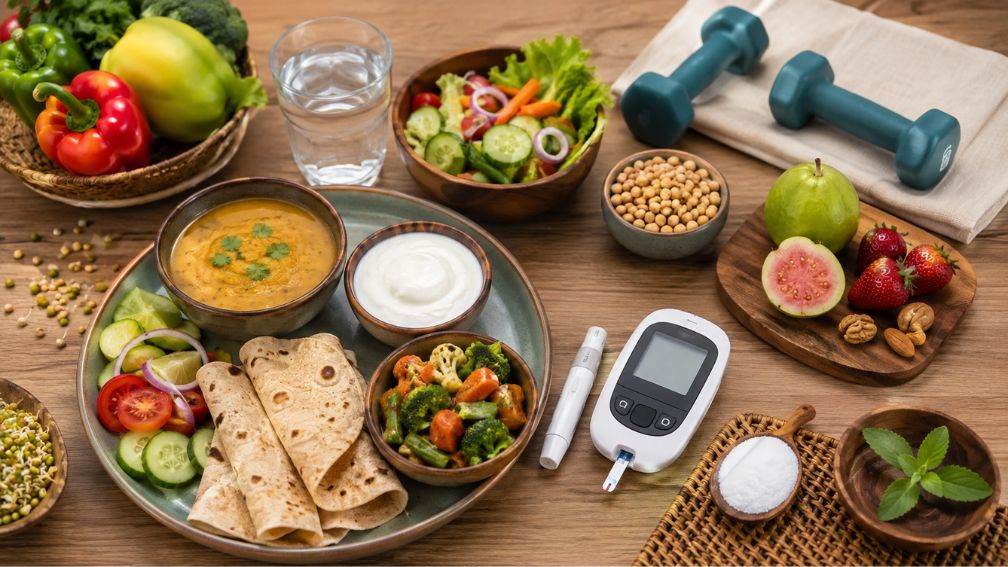
Living with diabetes does not mean you have to give up sweet flavours completely. A sugar-free lifestyle is mainly about reducing added sugar from daily habits like sweetened chai, desserts, and packaged snacks that add empty calories and can cause bigger swings.