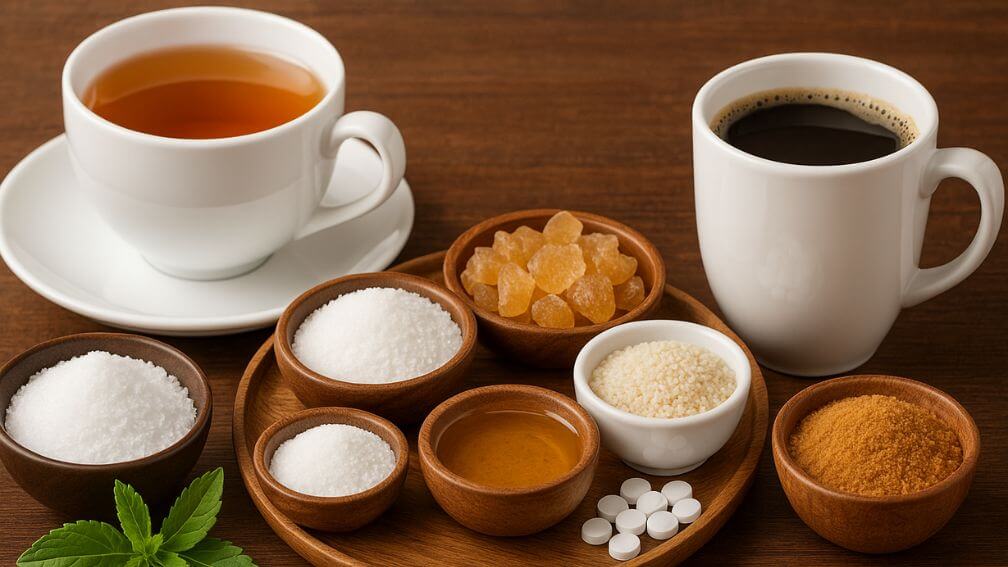
In a world where health-conscious choices are becoming increasingly prevalent, the quest to reduce sugar intake has gained significant momentum. From weight management to dental health, the benefits of cutting back on sugar are well-documented. However, for many, the thought of giving up the sweet indulgence in their daily cups of tea and coffee seems daunting. Enter sugar substitutes, the unsung heroes of the modern-day kitchen pantry.
This article delves into the realm of sugar substitutes, exploring their merits, varieties, and suitability for enhancing the flavors of your favorite beverages. Whether you’re a tea aficionado or a devout coffee connoisseur, there’s a sweet alternative waiting to elevate your sipping experience.
Why Consider Sugar Substitutes?
Before delving into the specifics, it’s crucial to understand why sugar substitutes warrant consideration. The perils of excessive sugar consumption extend far beyond just the risk of cavities. From weight gain to heightened risk of chronic diseases like diabetes and heart ailments, the detrimental effects of sugar on health are well-established. Sugar substitutes offer a way to satisfy your sweet tooth without compromising on health or flavor.
What is the Best Sugar Substitute?
In our quest for healthier lifestyles, the debate over the best sugar substitute continues to simmer. With an array of options claiming various benefits, it’s challenging to discern which one truly reigns supreme. Stevia, erythritol, monk fruit sweetener, xylitol, allulose, and Splenda (sucralose) are among the most popular choices, each with its own unique characteristics and considerations. So, let’s embark on a journey through the sweet realm to unravel the mysteries behind these sugar substitutes and determine which one might be the best fit for you.
Comparison of Various Sugar Substitutes
- Stevia: Derived from the leaves of the Stevia rebaudiana plant, stevia has gained popularity for its intense sweetness without calories. It’s often praised for its natural origin and zero glycemic index, making it suitable for diabetics and those watching their sugar intake.
- Erythritol: A sugar alcohol found naturally in fruits and fermented foods, erythritol provides sweetness with only a fraction of the calories of sugar. It’s well-tolerated by most people and doesn’t spike blood sugar levels, making it another favorite among those seeking a healthier alternative.
- Monk Fruit Sweetener: Made from extract of the monk fruit, this sweetener boasts zero calories and a high level of sweetness. Its unique taste, resembling sugar without the bitter aftertaste often associated with other substitutes, has garnered it a loyal following.
- Xylitol: Another sugar alcohol, xylitol is derived from birch wood or corn. It has a similar sweetness to sugar and is often used as a one-to-one replacement. However, it’s important to note that xylitol can be toxic to pets, so caution is advised for pet owners.
- Allulose: Recently gaining attention for its sugar-like taste and texture, allulose occurs naturally in small quantities in foods like wheat and raisins. It has minimal impact on blood sugar and insulin levels, making it suitable for low-carb and ketogenic diets.
- Splenda (Sucralose): A synthetic sweetener made from sucrose, Splenda is known for its sugar-like taste and wide availability in various products. It’s heat-stable and suitable for cooking and baking, but some people may experience digestive issues with prolonged use.
Factors to Consider When Choosing the Best Sugar Substitute
- Taste: The most subjective aspect of choosing a sugar substitute is taste. Some may prefer the clean sweetness of stevia, while others may gravitate towards the familiar taste of erythritol or monk fruit sweetener.
- Aftertaste: One common complaint with some sugar substitutes is the lingering aftertaste. While stevia and monk fruit sweetener are generally praised for their lack of aftertaste, others like erythritol may leave a cooling sensation in the mouth.
- Health Effects: Consider your health goals and any dietary restrictions when selecting a sugar substitute. Some, like stevia and monk fruit sweetener, have zero calories and minimal impact on blood sugar, making them suitable for weight management and diabetes control.
- Availability: Depending on your location and preferences, the availability of certain sugar substitutes may vary. While stevia and Splenda are widely accessible, others like allulose may be more challenging to find.
- Cost: Finally, cost can also be a deciding factor. Synthetic sweeteners like Splenda may be more affordable than natural alternatives like monk fruit sweetener or allulose.
Sugar Substitutes for Tea
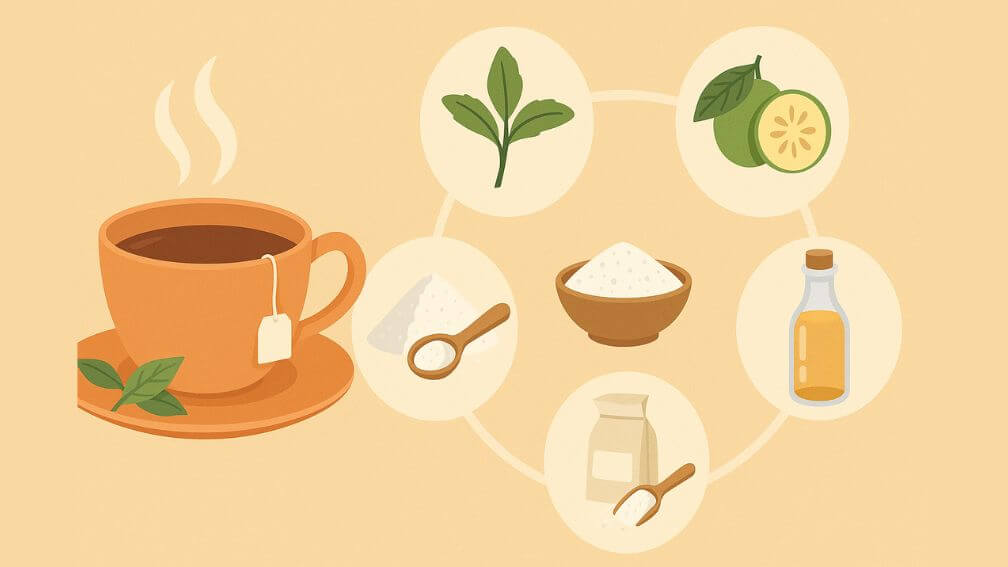
Unlocking the Sweetness: Exploring Sugar Substitutes for Tea
Tea, a beverage steeped in tradition and culture, has been enjoyed for centuries across the globe. Whether you prefer the robustness of black tea, the delicate flavors of green tea, or the soothing properties of herbal infusions, there’s no denying the comfort found in a warm cup of tea. However, for those looking to cut down on sugar intake or manage health conditions like diabetes, the sweetness of traditional sugar may not be the ideal choice. Enter sugar substitutes, offering a guilt-free alternative to sweeten your tea without compromising on taste. Let’s delve into the realm of sugar substitutes for tea, exploring recommended options, usage tips, and flavor-enhancing strategies.
Recommended Sugar Substitutes for Tea:
- Stevia: Derived from the leaves of the Stevia rebaudiana plant, stevia is a natural, zero-calorie sweetener. Its intense sweetness means that only a small amount is needed to sweeten tea, making it an excellent choice for those watching their calorie intake or blood sugar levels.
- Erythritol: A sugar alcohol with zero calories and a taste similar to sugar, erythritol is another popular choice for sweetening tea. It dissolves easily and doesn’t leave a bitter aftertaste, making it a versatile option for various tea blends.
- Monk Fruit Extract: Extracted from the monk fruit, this sweetener contains natural antioxidants and has zero calories. It provides a sweetness similar to sugar without causing spikes in blood sugar levels, making it suitable for those with diabetes or anyone trying to reduce sugar consumption.
- Xylitol: Another sugar alcohol, xylitol offers sweetness comparable to sugar with around two-thirds of the calories. It’s also beneficial for dental health, as it inhibits the growth of bacteria that cause tooth decay.
- Agave Nectar: While slightly higher in calories than other sugar substitutes, agave nectar is derived from the agave plant and boasts a low glycemic index. It dissolves easily in tea and imparts a mild, pleasant sweetness.
How to Use Sugar Substitutes in Tea:
- Start with a small amount: Sugar substitutes are often much sweeter than sugar, so a little goes a long way. Begin with a conservative amount and adjust to taste.
- Experiment with different types: Each sugar substitute has its unique flavor profile and sweetness level. Experiment with different options to find the one that best compliments your favorite teas.
- Consider the form: Sugar substitutes are available in various forms, including granulated, liquid, and powdered. Choose the form that suits your preference and tea-drinking habits.
Tips for Enhancing Flavor When Using Sugar Substitutes in Tea:
- Add complementary flavors: Enhance the natural flavors of your tea by incorporating complementary ingredients such as citrus zest, herbs like mint or basil, or spices like cinnamon or ginger.
- Infuse with fruits: For a refreshing twist, infuse your tea with fresh fruits like berries, citrus slices, or tropical fruits. The natural sweetness of the fruit can complement the sugar substitute while adding depth of flavor.
- Experiment with temperature: Different teas release their flavors best at specific temperatures. Experiment with brewing temperatures to find the optimal balance of sweetness and flavor extraction.
- Blend with traditional sweeteners: If you’re not ready to make the switch entirely, consider blending your preferred sugar substitute with a small amount of traditional sugar or honey until you find the perfect balance.
Sugar Substitutes for Coffee
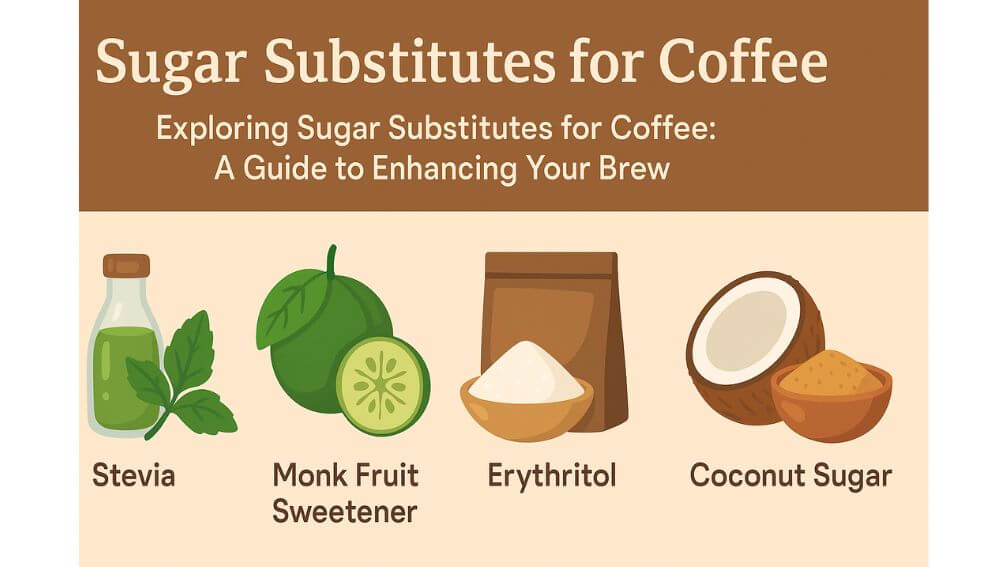
Exploring Sugar Substitutes for Coffee: A Guide to Enhancing Your Brew
In a world where health-conscious choices are becoming increasingly prevalent, the quest for alternatives to traditional sugar in our daily rituals, like coffee consumption, is more prominent than ever. Fortunately, there’s a plethora of sugar substitutes available, each offering unique flavors and benefits. In this article, we’ll delve into the realm of sugar substitutes for coffee, exploring recommendations, usage tips, and tricks to master the art of achieving the perfect cup of joe.
Recommended Sugar Substitutes for Coffee:
- Stevia: Extracted from the leaves of the Stevia rebaudiana plant, stevia is a natural, zero-calorie sweetener that has gained immense popularity among health enthusiasts. Its sweetness is intense, so a little goes a long way. Stevia is available in liquid drops, powder, or granules, making it versatile for various coffee preferences.
- Monk Fruit Sweetener: Derived from the monk fruit, this sweetener offers a sugar-like taste without the added calories. It’s an excellent choice for those looking to cut down on sugar without sacrificing sweetness. Monk fruit sweetener blends seamlessly into coffee, providing a natural and satisfying flavor.
- Erythritol: Another zero-calorie sweetener, erythritol is a sugar alcohol that occurs naturally in some fruits. It has a similar taste and texture to sugar, making it an easy substitute in coffee. Erythritol doesn’t cause a spike in blood sugar levels, making it suitable for diabetics or those following a low-carb diet.
- Coconut Sugar: Made from the sap of coconut palms, coconut sugar is less refined than white sugar and contains small amounts of nutrients like iron, zinc, and calcium. It has a rich, caramel-like flavor that compliments coffee beautifully. While it’s not entirely calorie-free, coconut sugar is considered a healthier alternative due to its lower glycemic index.
How to Use Sugar Substitutes in Coffee:
- Experiment with Quantities: Since sugar substitutes are often sweeter than sugar, start with a small amount and adjust according to your taste preferences. It’s easier to add more sweetness than to remedy an overly sweet cup of coffee.
- Choose the Right Form: Whether it’s liquid drops, granules, or powder, select the form of the sugar substitute that suits your coffee routine best. Liquid drops are convenient for precise control over sweetness, while granules or powder may be preferable for those who enjoy stirring their coffee.
- Consider Flavor Profiles: Some sugar substitutes may impart their unique flavors to your coffee. Experiment with different options to find the one that complements your coffee beans and brewing method best.
Tips for Achieving the Perfect Cup of Coffee with Sugar Substitutes:
- Balance is Key: Achieving the perfect cup of coffee is all about balance. Experiment with the ratio of coffee to sugar substitute until you find the sweet spot that enhances the flavor of your brew without overpowering it.
- Quality Ingredients Matter: Use high-quality coffee beans and fresh water to brew your coffee. The better the ingredients, the better the final result, even when using sugar substitutes.
- Don’t Forget Texture: While sugar substitutes add sweetness, they may not provide the same texture as sugar. If you enjoy the creaminess that sugar adds to your coffee, consider using a splash of milk or cream to achieve a similar mouthfeel.
Conclusion
In the age-old debate of sugar versus health, sugar substitutes emerge as the clear victors, offering a guilt-free solution to sweet cravings. Whether enjoyed in a steaming cup of tea or a piping hot mug of coffee, these sweet alternatives pave the way for a healthier, more flavorful beverage experience. So go ahead, sip and savor, knowing that your indulgence comes with none of the usual drawbacks.
Buy Sugar Free Sweeteners Online from Amazon and Zydus India Website
*"This article is for general nutrition education only and is
not
medical
advice. Always follow your doctor’s advice for diagnosis and treatment."
*"Non‑nutritive sweeteners do not treat diabetes. Use as part of a balanced
diet."