


Loading...
In the ongoing debate over artificial sweeteners versus sugar and their impact on health, it’s crucial to understand the nuances between the two. While sugar has been a dietary staple for centuries, artificial sweeteners have gained popularity in recent years as alternatives due to their low-calorie or zero-calorie properties. This article aims to dissect the differences between the two, exploring their definitions, health implications, and practical uses.
Sugar – it’s a word that elicits both delight and caution. Found abundantly in nature and used widely in our diets, sugar plays a significant role in our lives. But do we really understand its implications on our health and well-being? Let’s delve into the sweet world of sugar to uncover its mysteries.
At its core, sugar is a type of carbohydrate that provides energy to the body. It exists in various forms, with the most common types being sucrose, fructose, and lactose.
When we consume sugar, whether it’s from fruits, sweets, or beverages, it’s broken down into glucose, the body’s primary source of energy. Glucose enters the bloodstream, causing blood sugar levels to rise. In response, the pancreas releases insulin, a hormone that helps cells absorb glucose for energy or storage.
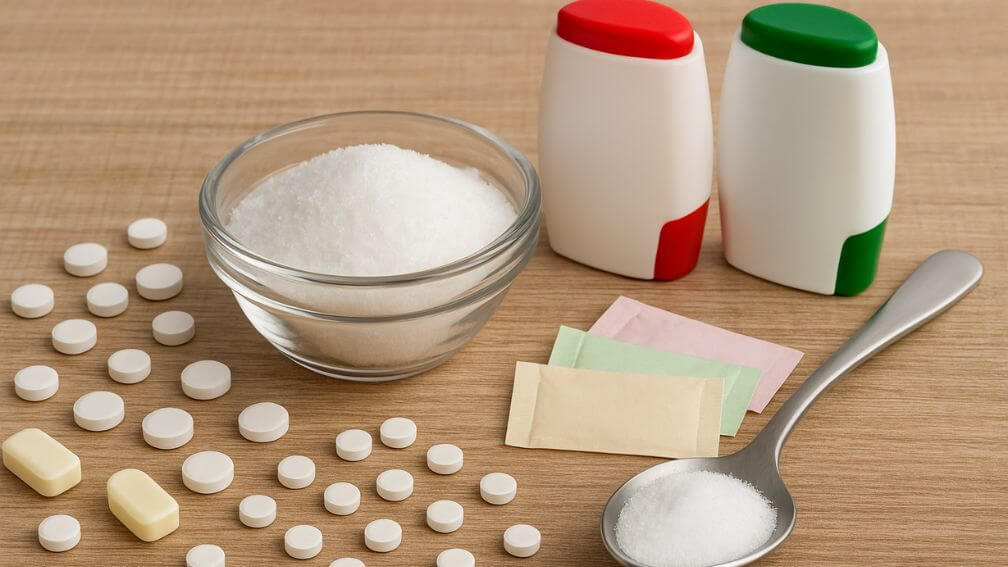
In today’s health-conscious world, the quest for alternatives to sugar has led to the rise of artificial sweeteners. These sugar substitutes offer the promise of sweetness without the guilt of calories, making them an attractive option for individuals aiming to manage their weight or blood sugar levels. But what exactly are artificial sweeteners, and how do they affect our bodies? Let’s delve into the world of artificial sweeteners to uncover their secrets.
Artificial sweeteners, also known as non-nutritive sweeteners or sugar substitutes, are chemical compounds that provide a sweet taste without the calories found in table sugar (sucrose). These sweeteners are typically hundreds to thousands of times sweeter than sugar, allowing for their use in minute quantities.
Artificial sweeteners are synthesized through various chemical processes, often starting with naturally occurring substances such as sucrose or starch. Through modification and refinement, these substances are transformed into intense sweeteners with minimal to no caloric content.
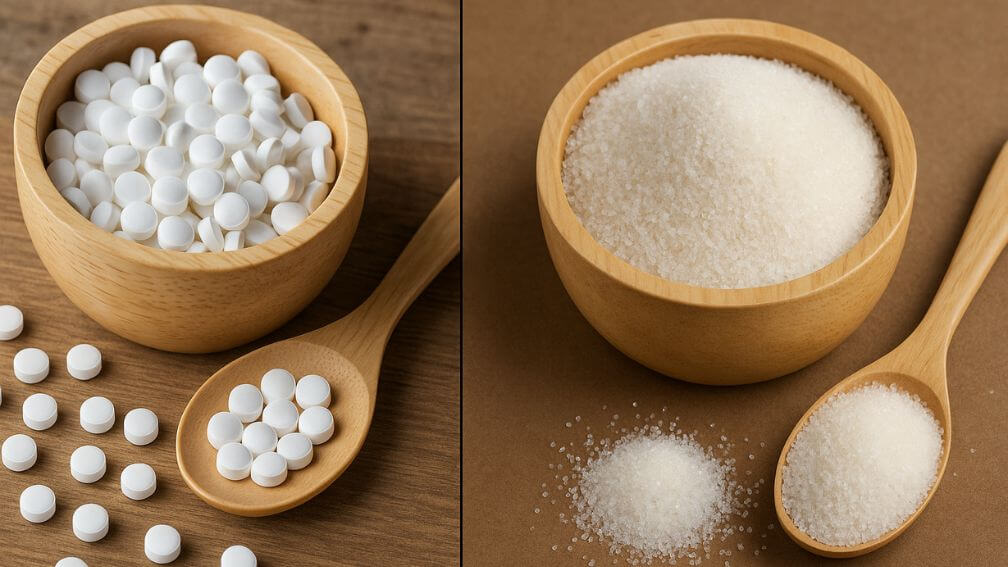
Unlike sugar, which is metabolized for energy, artificial sweeteners pass through the body without being broken down for calories. This means they do not raise blood sugar levels and are often used by individuals with diabetes or those watching their carbohydrate intake. However, the intense sweetness of artificial sweeteners may still trigger the release of insulin, which could potentially affect hunger and satiety signals.
Caloric Content: Sugar is calorie-dense, while artificial sweeteners are low or zero calories.
Impact on Blood Glucose Levels: Sugar causes spikes in blood glucose, whereas artificial sweeteners have minimal to no effect.
Taste and Usage: Sugar has a natural taste and is versatile in cooking and baking, while artificial sweeteners are sweeter, may have an aftertaste, and are often used in specific recipes and processed foods.
Health Risks and Benefits: Sugar consumption is linked to weight gain, diabetes, and heart disease, while artificial sweeteners have controversial health impacts, with potential benefits for weight management and diabetes control but also potential risks such as metabolic changes and impacts on gut health.
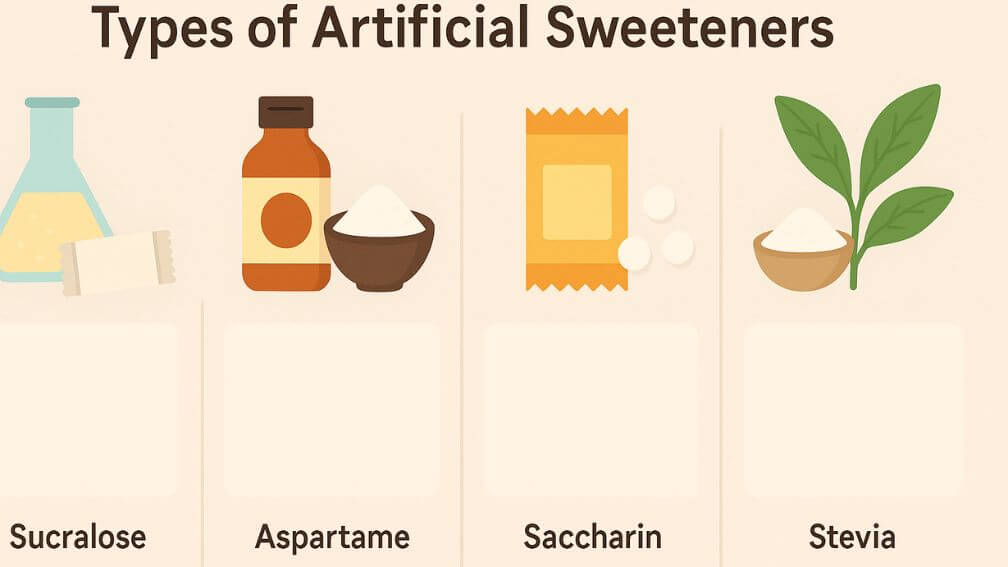
Introduction to Sucralose: Sucralose is an artificial sweetener that is significantly sweeter than sugar and is commonly used in various food and beverage products.
Comparison with Sugar: Sucralose has no calories and is much sweeter than sugar. It also differs in its metabolic impact and practical uses in cooking, baking, and beverages.
Choosing Between Sugar and Artificial Sweeteners: Factors to consider include health goals, dietary restrictions, and personal preferences.
Guidelines for Use: Moderation in sugar consumption is advised, along with adhering to safe levels of artificial sweetener consumption recommended by health authorities.
Reading Labels: Tips for identifying sugar and artificial sweeteners in packaged foods to make informed choices.
In summary, the differences between sugar and artificial sweeteners are vast, ranging from their caloric content to their impact on blood glucose levels and health implications. It’s essential to weigh these factors carefully and make informed choices based on individual needs and preferences.
Experimenting with reducing sugar intake and incorporating artificial sweeteners in moderation can be a step towards a healthier lifestyle. However, seeking professional advice is advisable for personalized guidance.
Buy Sugar Free Sweeteners Online from Amazon and Zydus India Website
The main differences lie in their calorie content, impact on blood glucose levels, taste, and usage in culinary applications.
Excessive sugar consumption is associated with weight gain, diabetes, heart disease, and dental issues.
Artificial sweeteners are often preferred for individuals with diabetes due to their minimal impact on blood glucose levels.
Yes, natural alternatives include honey, maple syrup, and stevia, which can be used in moderation as sugar substitutes.



After extra sweets or sugary drinks, you may feel heavy, tired, or unusually hungry. A short reset can help you reduce added sugar, cut empty calories, and return to steadier meals.

A 14-day reset helps you realistically reduce added sugar, without changing the core of your Indian meals. The main sources are usually sweetened chai or coffee, packaged drinks, biscuits, and frequent desserts that add empty calories.
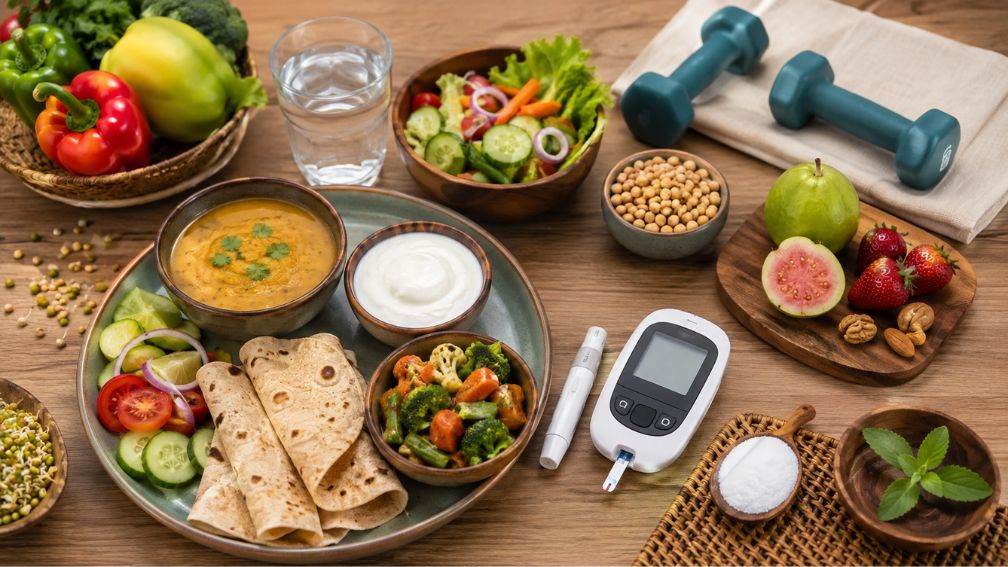
Living with diabetes does not mean you have to give up sweet flavours completely. A sugar-free lifestyle is mainly about reducing added sugar from daily habits like sweetened chai, desserts, and packaged snacks that add empty calories and can cause bigger swings.