



Loading...
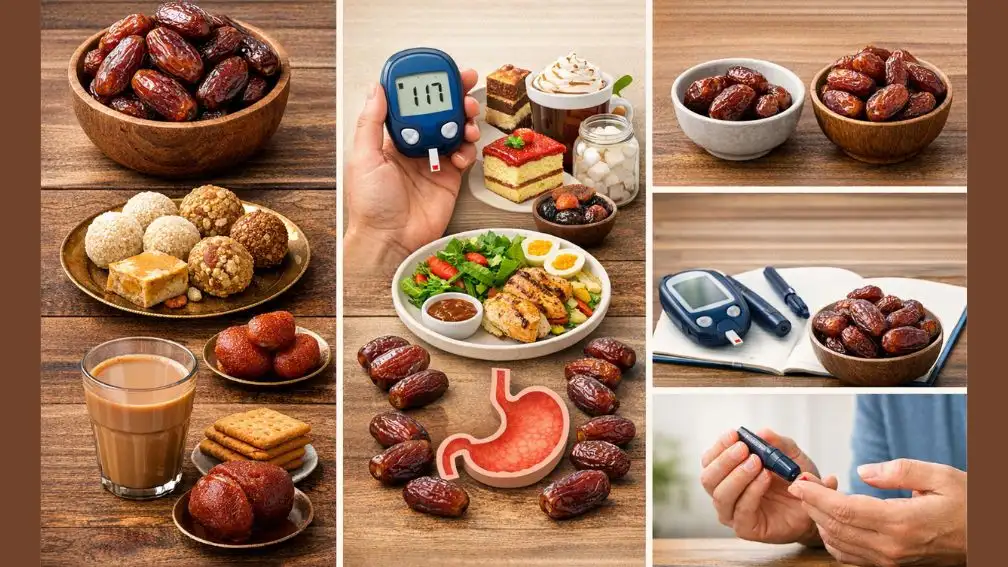
If you are wondering, can diabetics eat dates, the short answer is yes for many people, but only in small, planned portions. Dates are used mainly for sweetness, so treat them like a sweet ingredient, not a free snack.
When you keep dates occasional and portioned, they can fit into a diabetes-friendly routine. The problem usually starts when dates become a daily habit on top of other sweet habits like sweetened chai, biscuits, and dessert.
Dates show up in ladoos and dessert mixes because they do two jobs. They add sweetness and they help bind the mixture so it holds shape. Sugar Free’s Smart Recipes pages mention this traditional use in laddus where dates or jaggery are often used to bind and sweeten. That is why dates come up so often in conversations about sweets and diabetes. They feel natural and familiar, even though they still act like sweetness in the diet.
The biggest risk with dates is not one date once in a while. It is the way sweet habits stack up across the day.
Sugar Free also points out that sugar is processed into many foods we eat and can be absorbed into the bloodstream faster due to a high glycaemic index rating. The takeaway is simple: repeated sweet moments make control harder, even when the sweetness is natural.
Dates fit best when they are occasional, portion-controlled, and planned within your day rather than eaten repeatedly out of habit.
If you use dates in recipes, use them more for flavour and binding than for full sweetness. If dates sweeten the whole batch, it becomes easier to overeat the sweet. This is especially true with date-based healthy laddus, because they feel light and easy to justify.
In Indian homes, dates often appear inside laddus, dry fruit mixes, and festive sweets. Sugar Free’s recipe pages acknowledge this, noting that laddus are traditionally bound and sweetened with dates or jaggery. Their basic idea is to reduce added sugar while keeping the familiar sweet taste.
Also remember that no refined sugar does not mean no sugar effect. Dates still add sweetness, so portion still matters. If you have a laddu, treat it as the sweet moment for that day and avoid adding another sweet right after.
If you like sweetness every day, the easiest place to reduce added sugar is usually beverages. Tea and coffee repeat and often get sweetened automatically. Sugar Free’s approach is to replace sugar, not sweetness, using measured sweeteners in drinks and recipes. The method is what matters: measured sweetness helps you avoid the spoon that changes from cup to cup.
A simple routine that many people can follow is:
If you want a convenient measured option, Sugar Free tablets or powder formats can make it easier to keep sweetness consistent in tea and coffee, and recipe-friendly variants can be used when you cook at home. The key is not to increase sweetness just because it is sugar-free.
Sugar Free also notes that one teaspoon of sugar contains about 20 calories, which is why daily sugar in drinks adds up faster than most people expect. When you cut those repeats first, it becomes much easier to keep dates as an occasional ingredient rather than a daily craving fix.
Buy Sugar Free Sweeteners from Amazon and Zydus India Website.
So, can diabetic patient eat dates? Yes, for many people, dates can fit, but they need the same discipline as any sweet food. Treat dates as a planned sweet ingredient, keep the portion small, and avoid turning them into a daily habit.
Focus first on the sweet habits you repeat most, especially sweetened tea, biscuits with chai, and weekday desserts. When those are under control, an occasional date-based sweet is much easier to manage. If you are on medication or insulin, make changes with your doctor’s advice and monitor your readings.
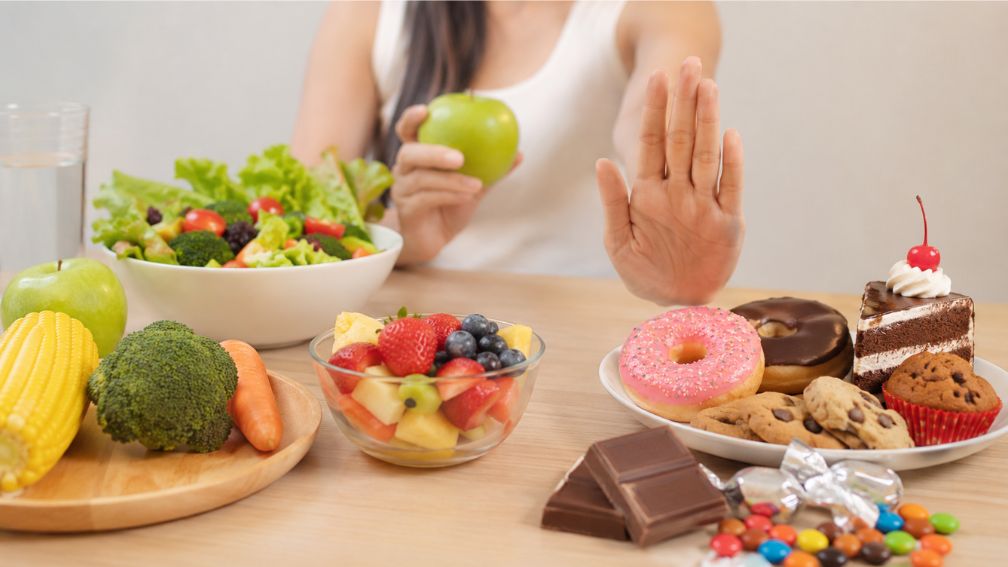
After extra sweets or sugary drinks, you may feel heavy, tired, or unusually hungry. A short reset can help you reduce added sugar, cut empty calories, and return to steadier meals.
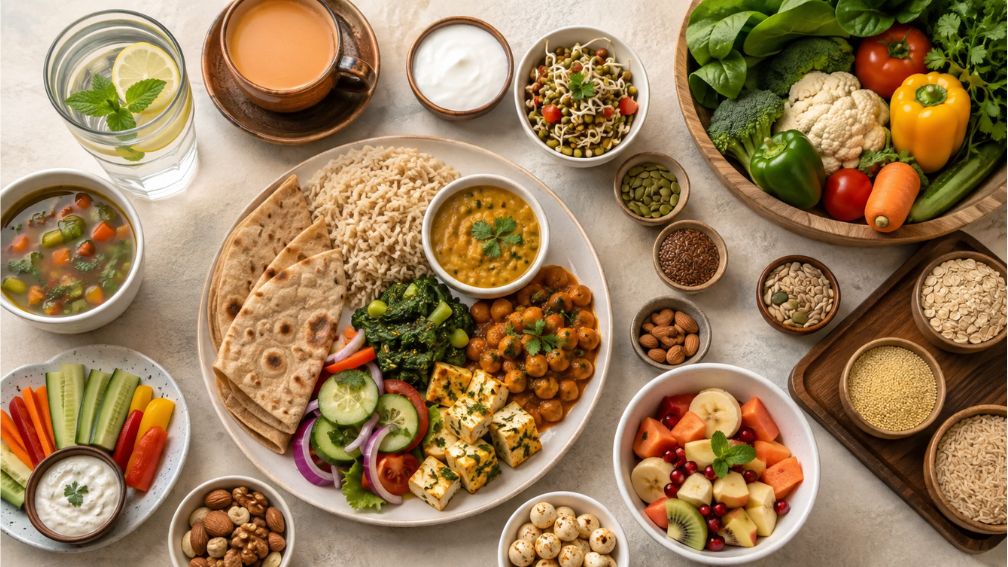
A 14-day reset helps you realistically reduce added sugar, without changing the core of your Indian meals. The main sources are usually sweetened chai or coffee, packaged drinks, biscuits, and frequent desserts that add empty calories.
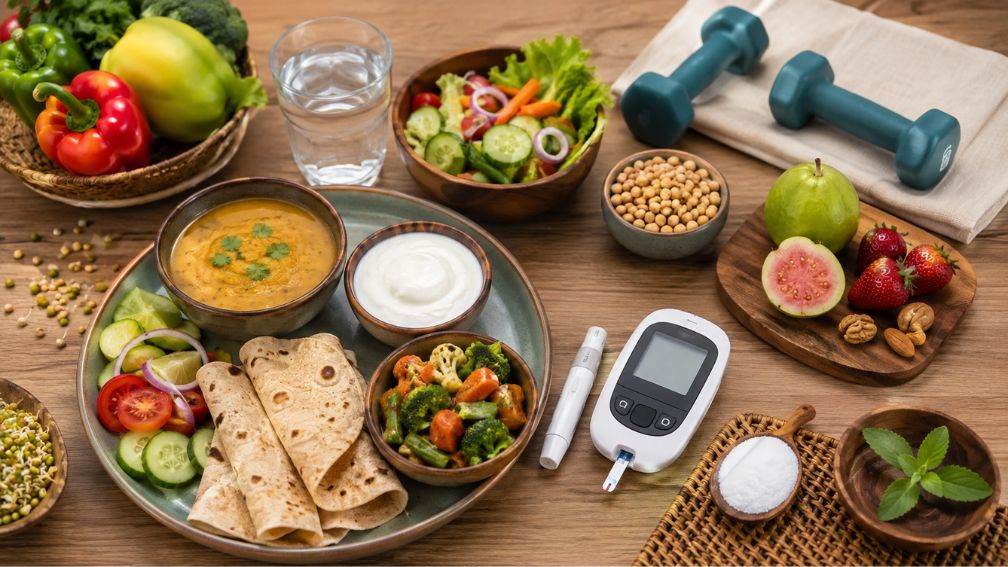
Living with diabetes does not mean you have to give up sweet flavours completely. A sugar-free lifestyle is mainly about reducing added sugar from daily habits like sweetened chai, desserts, and packaged snacks that add empty calories and can cause bigger swings.